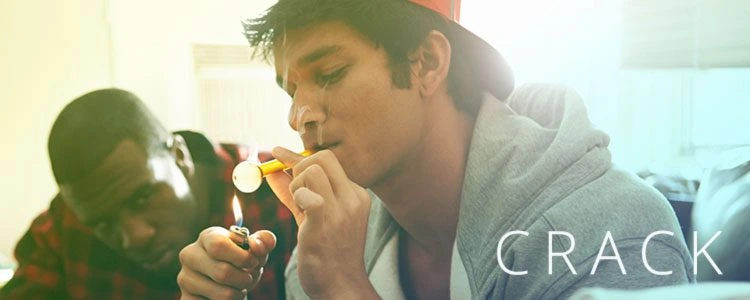
Once used more widely for medical purposes, cocaine is now rarely employed for medical treatment because of its addictive and highly destructive nature. One of the most dangerous forms of cocaine is known by the street name “crack,” and it is also one of the most addictive forms of the substance. Those who are suffering from crack addiction are in critical need of addiction treatment. In fact, their life may very well depend on successful and professional addiction counseling and detox.
How Big Is the Problem?
Crack cocaine addiction remains a huge problem in the United States. Hundreds of thousands of people who suffer from crack cocaine addiction are admitted to hospitals and other centers of medical care each year because of the effects of the drug on their bodies. In fact, a crack addict is more likely to be admitted for medical treatment than those who are addicted to other forms of cocaine. That is because while cocaine and crack are both damaging, crack affects the body much more quickly than powdered cocaine. Crack also tends to be harder to quit than other forms of cocaine, which makes individualized, professional treatment all the more essential for those crack addicts who want to get sober.
Signs of Crack Addiction
There are several telltale signs of addiction to crack that you should look for in yourself or in others to know if a problem exists. Crack addiction symptoms include perpetual restlessness and irritability. Physically, the signs of a crack addict include burned or blistered lips and fingers, which come from the use of a crack pipe to consume the drug. These signs should not be ignored, particularly if the individual displaying them is known to have a problem with other drugs. Highly trained, professional assistance should be sought out immediately, before the damaging effects of the drug get worse.
We Can Assist You
At BetterAddictionCare, we provide resources that can help you overcome your crack addiction. Our nationwide network of care facilities can provide the confidential, medically supervised treatment you need. Whether you are a crack addict or you need help for someone you love, we can connect you with traditional and alternative rehab programs accepting new patients now, and they will work with you to provide the most cost-effective and successful treatment. Fill out our contact form or call today, and we will help you find the right solution for your needs.