Alcoholism, Drug Abuse, Mental Health, and Treatment in Utah
What are the main addictions people in Utah suffer from?
The main addictions people in California suffer from include;
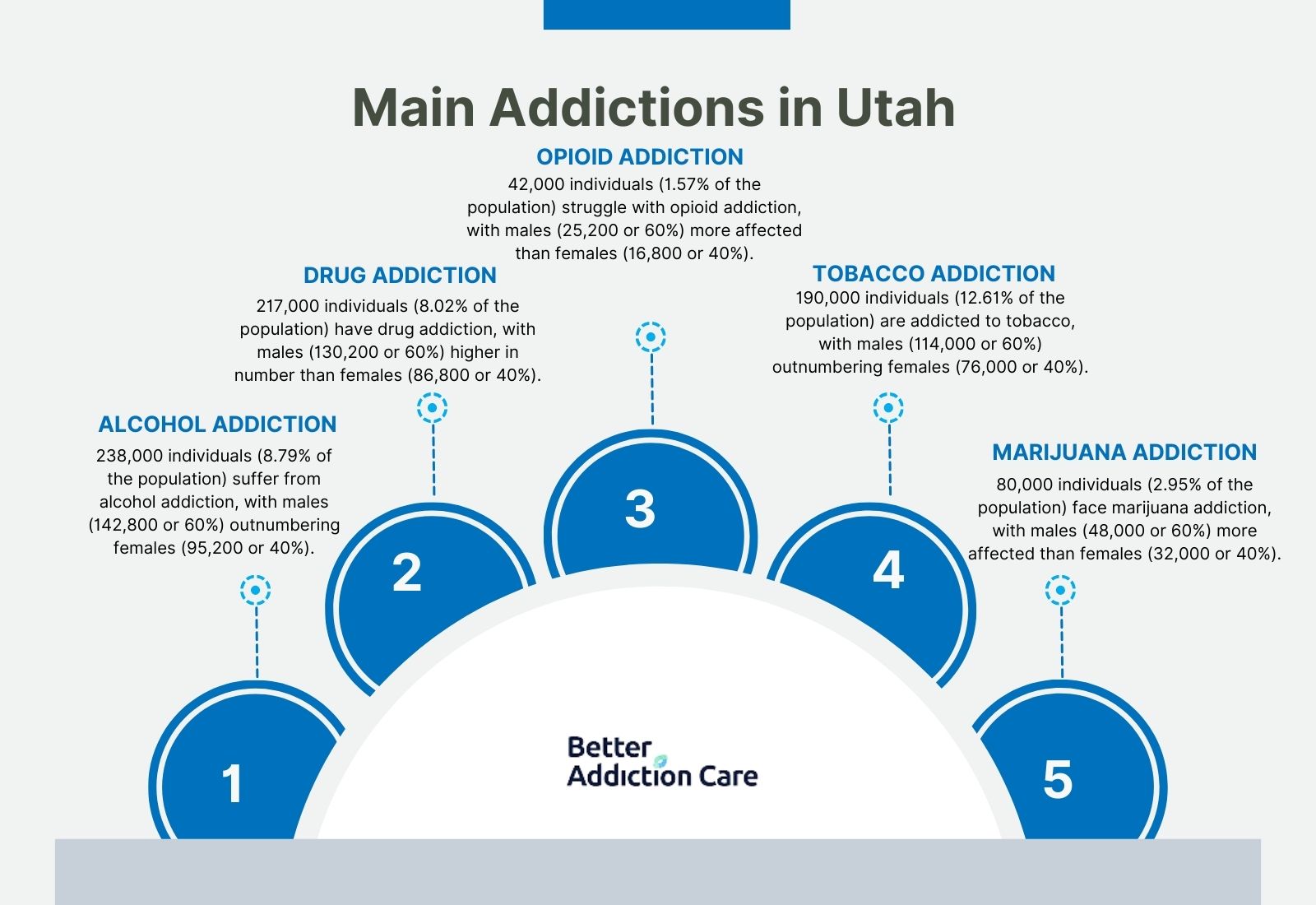
- Alcohol Addiction: 238,000 individuals aged 12 or older have alcohol addiction, equating to 8.79% of the population. 142,800 (60%) males are higher in number as compared to 95,200 (40%) females.
- Drug Addiction: 217,000 individuals aged 12 or older have drug addiction, equating to 8.02% of the population. 130,200 (60%) males are higher in number as compared to 86,800 (40%) females.
- Opioid Addiction: 42,000 individuals aged 12 or older have opioid addiction, equating to 1.57% of the population. 25,200 (60%) males are higher in number as compared to 16,800 (40%) females.
- Tobacco Addiction: 190,000 individuals aged 12 or older have tobacco addiction, equating to 12.61% of the population. 114,000 (60%) males are higher in number as compared to 76,000 (40%) females.
- Marijuana Addiction: 80,000 individuals aged 12 older have alcohol addiction, equating to 8.79% of the population. 48,000 (60%) males are higher in number as compared to 32,000 (40%) females.
What is the cost of rehab centers in Utah?
The cost of rehab centers in Utah is $56,700. On average, inpatient drug rehab costs up to $56,000, while outpatient programs start at $1,600. The type of addiction also significantly influences treatment expenses. For instance, inpatient programs for alcohol addiction cost $20,000 for a 30-day treatment, while inpatient care for drug addiction ranges from $6,000 to $20,000 for the same duration, depending on the substance and intensity of treatment. The cost of rehab centers varies depending on treatment type, duration, and facility amenities.
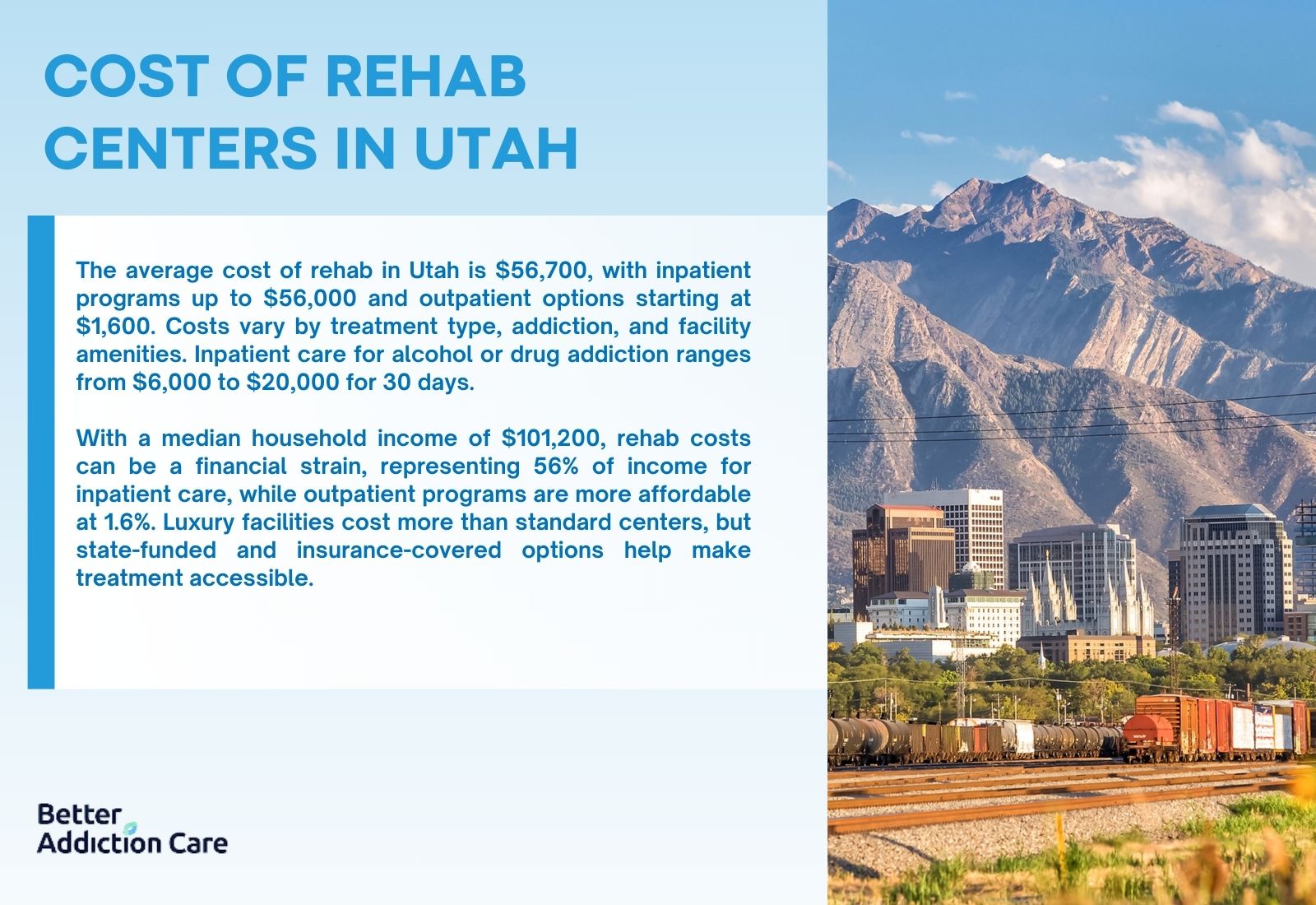
The median household income in Utah is $101,200, the cost of rehab centers represents 56% of the average household income, making it a substantial financial burden. In contrast, outpatient programs are more affordable, accounting for only 1.6% of the median income. This difference highlights the varying levels of accessibility between inpatient and outpatient care.
The cost of rehab centers also vary based on the type of rehab center. Luxury or private facilities with enhanced amenities tend to charge significantly higher fees than standard centers. Other factors, such as the inclusion of medical detox, extended durations of stay, and specialized services, further influence the overall cost of rehab centers. Individuals seeking treatment are encouraged to explore various options, including state-funded or insurance-covered programs, to find affordable and suitable care.
What is the cost of LGBTQ+ rehab centers in Utah?
The cost of LGBTQ+ rehab centers in Utah is $56,500. On average, inpatient drug rehab costs up to $56,000, while outpatient programs start at $1,600. The type of addiction also significantly influences treatment expenses. For instance, inpatient programs for alcohol addiction cost $20,000 for a 30-day treatment, while inpatient care for drug addiction ranges from $6,000 to $20,000 for the same duration, depending on the substance and intensity of treatment. The cost of LGBTQ+ rehab centers varies depending on treatment type, duration, and facility amenities.
The median household income in Utah is $101,200, the cost of LGBTQ+ rehab centers represents 55.8% of the average household income, making it a substantial financial burden. In contrast, outpatient programs are more affordable, accounting for only 1.6% of the median income. This difference highlights the varying levels of accessibility between inpatient and outpatient care.
The cost of LGBTQ+ rehab centers also vary based on the type of rehab center. Luxury or private facilities with enhanced amenities tend to charge significantly higher fees than standard centers. Other factors, such as the inclusion of medical detox, extended durations of stay, and specialized services, further influence the overall cost of LGBTQ+ rehab centers. Individuals seeking treatment are encouraged to explore various options, including state-funded or insurance-covered programs, to find affordable and suitable care.
What is the cost of Faith-Based rehab centers in Utah?
The cost of Faith-Based rehab centers in Utah is $56,000. On average, inpatient drug rehab costs up to $56,000, while outpatient programs start at $1,600. The type of addiction also significantly influences treatment expenses. For instance, inpatient programs for alcohol addiction cost $20,000 for a 30-day treatment, while inpatient care for drug addiction ranges from $6,000 to $20,000 for the same duration, depending on the substance and intensity of treatment. The cost of Faith-Based rehab centers varies depending on treatment type, duration, and facility amenities.
The median household income in Utah is $101,200, the cost of Faith-Based rehab centers represents 55% of the average household income, making it a substantial financial burden. In contrast, outpatient programs are more affordable, accounting for only 1.6% of the median income. This difference highlights the varying levels of accessibility between inpatient and outpatient care.
The cost of Faith-Based rehab centers also vary based on the type of rehab center. Luxury or private facilities with enhanced amenities tend to charge significantly higher fees than standard centers. Other factors, such as the inclusion of medical detox, extended durations of stay, and specialized services, further influence the overall cost of Faith-Based rehab centers. Individuals seeking treatment are encouraged to explore various options, including state-funded or insurance-covered programs, to find affordable and suitable care.
What is the cost of Men-Only rehab centers in Utah?
The cost of Men-Only rehab centers in Utah is $55,900. On average, inpatient drug rehab costs up to $56,000, while outpatient programs start at $1,600. The type of addiction also significantly influences treatment expenses. For instance, inpatient programs for alcohol addiction cost $20,000 for a 30-day treatment, while inpatient care for drug addiction ranges from $6,000 to $20,000 for the same duration, depending on the substance and intensity of treatment. The cost of Men-Only rehab centers varies depending on treatment type, duration, and facility amenities.
The median household income in Utah is $101,200, the cost of Men-Only rehab centers represents 55% of the average household income, making it a substantial financial burden. In contrast, outpatient programs are more affordable, accounting for only 1.6% of the median income. This difference highlights the varying levels of accessibility between inpatient and outpatient care.
The cost of Men-Only rehab centers also vary based on the type of rehab center. Luxury or private facilities with enhanced amenities tend to charge significantly higher fees than standard centers. Other factors, such as the inclusion of medical detox, extended durations of stay, and specialized services, further influence the overall cost of Men-Only rehab centers. Individuals seeking treatment are encouraged to explore various options, including state-funded or insurance-covered programs, to find affordable and suitable care.
What is the cost of Women-Only rehab centers in Utah?
The cost of Women-Only rehab centers in Utah is $55,500. On average, inpatient drug rehab costs up to $56,000, while outpatient programs start at $1,600. The type of addiction also significantly influences treatment expenses. For instance, inpatient programs for alcohol addiction cost $20,000 for a 30-day treatment, while inpatient care for drug addiction ranges from $6,000 to $20,000 for the same duration, depending on the substance and intensity of treatment. The cost of Women-Only rehab centers varies depending on treatment type, duration, and facility amenities.
The median household income in Utah is $101,200, the cost of Women-Only rehab centers represents 54.8% of the average household income, making it a substantial financial burden. In contrast, outpatient programs are more affordable, accounting for only 1.6% of the median income. This difference highlights the varying levels of accessibility between inpatient and outpatient care.
The cost of Women-Only rehab centers also vary based on the type of rehab center. Luxury or private facilities with enhanced amenities tend to charge significantly higher fees than standard centers. Other factors, such as the inclusion of medical detox, extended durations of stay, and specialized services, further influence the overall cost of Women-Only rehab centers. Individuals seeking treatment are encouraged to explore various options, including state-funded or insurance-covered programs, to find affordable and suitable care.
What is the cost of Teen rehab centers in Utah?
The cost of Teen rehab centers in Utah is $54,900. On average, inpatient drug rehab costs up to $56,000, while outpatient programs start at $1,600. The type of addiction also significantly influences treatment expenses. For instance, inpatient programs for alcohol addiction cost $20,000 for a 30-day treatment, while inpatient care for drug addiction ranges from $6,000 to $20,000 for the same duration, depending on the substance and intensity of treatment. The cost of Teen rehab centers varies depending on treatment type, duration, and facility amenities.
The median household income in Utah is $101,200, the cost of Teen rehab centers represents 54.2% of the average household income, making it a substantial financial burden. In contrast, outpatient programs are more affordable, accounting for only 1.6% of the median income. This difference highlights the varying levels of accessibility between inpatient and outpatient care.
The cost of Teen rehab centers also vary based on the type of rehab center. Luxury or private facilities with enhanced amenities tend to charge significantly higher fees than standard centers. Other factors, such as the inclusion of medical detox, extended durations of stay, and specialized services, further influence the overall cost of Teen rehab centers. Individuals seeking treatment are encouraged to explore various options, including state-funded or insurance-covered programs, to find affordable and suitable care.
What is the cost of Young Adult rehab centers in Utah?
The cost of Young Adult rehab centers in Utah is $54,500. On average, inpatient drug rehab costs up to $56,000, while outpatient programs start at $1,600. The type of addiction also significantly influences treatment expenses. For instance, inpatient programs for alcohol addiction cost $20,000 for a 30-day treatment, while inpatient care for drug addiction ranges from $6,000 to $20,000 for the same duration, depending on the substance and intensity of treatment. The cost of Young Adult rehab centers varies depending on treatment type, duration, and facility amenities.
The median household income in Utah is $101,200, the cost of Young Adult rehab centers represents 53.8% of the average household income, making it a substantial financial burden. In contrast, outpatient programs are more affordable, accounting for only 1.6% of the median income. This difference highlights the varying levels of accessibility between inpatient and outpatient care.
The cost of Young Adult rehab centers also vary based on the type of rehab center. Luxury or private facilities with enhanced amenities tend to charge significantly higher fees than standard centers. Other factors, such as the inclusion of medical detox, extended durations of stay, and specialized services, further influence the overall cost of Young Adult rehab centers. Individuals seeking treatment are encouraged to explore various options, including state-funded or insurance-covered programs, to find affordable and suitable care.
What is the cost of Luxury Rehab centers in Utah?
The cost of Luxury rehab centers in Utah is $58,000. On average, inpatient drug rehab costs up to $56,000, while outpatient programs start at $1,600. The type of addiction also significantly influences treatment expenses. For instance, inpatient programs for alcohol addiction cost $20,000 for a 30-day treatment, while inpatient care for drug addiction ranges from $6,000 to $20,000 for the same duration, depending on the substance and intensity of treatment. The cost of Luxury rehab centers varies depending on treatment type, duration, and facility amenities.
The median household income in Utah is $101,200, the cost of Luxury rehab centers represents 57% of the average household income. In contrast, outpatient programs are more affordable, accounting for only 1.6% of the median income. This difference highlights the varying levels of accessibility between inpatient and outpatient care.
The cost of Luxury rehab centers also vary based on the type of rehab center. Luxury or private facilities with enhanced amenities tend to charge significantly higher fees than standard centers. Other factors, such as the inclusion of medical detox, extended durations of stay, and specialized services, further influence the overall cost of Luxury rehab centers. Individuals seeking treatment are encouraged to explore various options, including state-funded or insurance-covered programs, to find affordable and suitable care.
What is the cost of Dual Diagnosis rehab centers in Utah?
The cost of Dual Diagnosis rehab centers in Utah is $53,900. On average, inpatient drug rehab costs up to $56,000, while outpatient programs start at $1,600. The type of addiction also significantly influences treatment expenses. For instance, inpatient programs for alcohol addiction cost $20,000 for a 30-day treatment, while inpatient care for drug addiction ranges from $6,000 to $20,000 for the same duration, depending on the substance and intensity of treatment. The cost of rehab centers varies depending on treatment type, duration, and facility amenities.
The median household income in Utah is $101,200, the cost of Dual Diagnosis rehab centers represents 53% of the average household income, making it a substantial financial burden. In contrast, outpatient programs are more affordable, accounting for only 1.6% of the median income. This difference highlights the varying levels of accessibility between inpatient and outpatient care.
The cost of Dual Diagnosis rehab centers also vary based on the type of rehab center. Luxury or private facilities with enhanced amenities tend to charge significantly higher fees than standard centers. Other factors, such as the inclusion of medical detox, extended durations of stay, and specialized services, further influence the overall cost of Dual Diagnosis rehab centers. Individuals seeking treatment are encouraged to explore various options, including state-funded or insurance-covered programs, to find affordable and suitable care.
Is drug abuse and addiction a problem in Utah?
Yes, drug abuse and addiction is a problem in Utah. Firstly, the state of Utah has consistently faced high rates of opioid misuse, with the Utah Department of Health reporting that opioid-related deaths peaked at 392, reflecting the nationwide opioid crisis. While prevention efforts have reduced fatalities in recent years, the issue remains pervasive. Secondly, methamphetamine abuse has surged in Utah, with the number of treatment admissions for methamphetamine nearly doubling from 3,650 in 2014 to over 6,000 by 2024. This increase highlights a shift in substance use trends. Thirdly, prescription drug misuse remains a critical issue, particularly among teens and young adults. In 2019, 12% of Utah adolescents admitted to misusing prescription drugs, a rate significantly higher than the national average. Over the past decade, targeted prevention programs and public awareness campaigns have shown progress, yet the lingering effects of addiction continue to strain healthcare and social systems in the state. These statistics underscore the evolving and persistent nature of drug abuse in Utah.
Is alcoholism a problem in Utah?
Yes, alcoholism is a problem in Utah despite its reputation for lower alcohol consumption due to cultural influences. Firstly, studies show that alcohol-related deaths in Utah have been steadily increasing, with the CDC reporting a 33% rise in deaths from excessive alcohol use between 2014 and 2024. Secondly, binge drinking among adults has become a growing concern, with 15% of Utah adults reporting binge drinking in 2021, up from 11% a decade earlier, according to Texas health data. Thirdly, underage drinking remains an issue, with surveys indicating that 22% of Utah high school students had consumed alcohol at least once in 2024, reflecting only a slight decrease from 25% in 2019 despite intensified prevention efforts. These trends highlight how alcoholism continues to impact public health, families, and communities in Utah, even as interventions work to mitigate its effects.
Is Mental Health a problem in Utah?
Yes, mental health is a problem in Utah. The state of Utah has one of the highest rates of mental health issues in the United States, with nearly 23% of adults reporting symptoms of anxiety or depression in 2024, a marked increase from 17% in 2019, according to the CDC. Suicide is a leading concern, as Utah consistently ranks among the top states for suicide rates, with 24 suicides per 100,000 people, compared to 20 per 100,000 a decade earlier. Additionally, access to mental health care remains a challenge, with the Utah Behavioral Risk Factor Surveillance System reporting that 18% of adults in 2024 not afford necessary mental health treatment, a slight improvement from 20% in 2019 but still indicating significant barriers to care. These statistics underscore the urgent need for expanded mental health resources and support in Utah.
Can you travel to Utah for rehab?
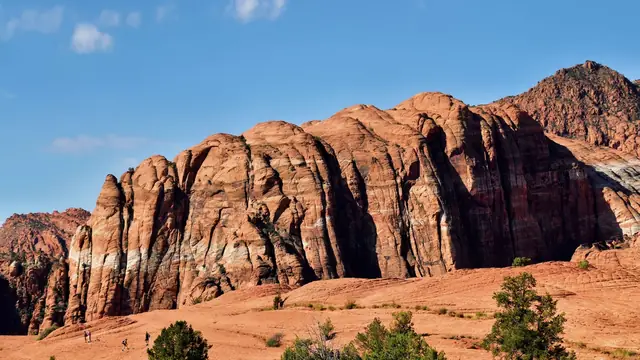
Yes, you can travel to Utah for rehab, and Utah offers several unique advantages that make it an appealing choice for recovery. Firstly, Utah is renowned for its serene and picturesque natural landscapes, including mountains, deserts, and national parks, providing a calming environment conducive to healing and self-reflection. This natural beauty plays a vital role in reducing stress and promoting mental well-being during treatment. Secondly, Utah has a strong reputation for high-quality rehab facilities that often integrate outdoor therapy and holistic approaches, offering diverse treatment modalities tailored to individual needs. These facilities are known for combining evidence-based practices with unique experiential therapies such as hiking and equine therapy. Thirdly, Utah’s lower cost of living compared to many other regions makes treatment more accessible and affordable, particularly for those seeking extended care options. These factors, combined with a supportive recovery community, make Utah a standout destination for those looking to overcome addiction and rebuild their lives.
Can addiction be treated in Utah?
Yes, addiction can be treated in Utah for several reasons. Firstly, Utah is home to a wide range of accredited rehabilitation centers offering evidence-based treatments, such as medical detox, cognitive-behavioral therapy, and medication-assisted treatment, ensuring comprehensive care for various substance use disorders. Secondly, Utah’s treatment programs often integrate holistic and experiential therapies, leveraging Utah's natural surroundings to enhance mental and physical healing through activities like outdoor therapy and mindfulness practices. Thirdly, Utah has robust support networks, including 12-step programs, peer support groups, and state-funded initiatives, providing ongoing recovery assistance to help individuals maintain long-term sobriety. These resources make Utah a viable and effective location for addiction treatment.
What is the state of Utah?
The state of Utah is in the western United States, known for its stunning natural landscapes and vibrant cultural heritage. Utah's population is 3.4 million, with gender distribution of 1.7 million males and 1.7 million females, reflecting a nearly equal balance. Utah is bordered by Idaho to the north, Wyoming to the northeast, Colorado to the east, Arizona to the south, and Nevada to the west. It also touches New Mexico at the Four Corners point in the southeast.
Economically, Utah is considered one of the wealthier states in the U.S., with a median household income of $101,200, significantly above the national average. Its economy is diversified, featuring robust sectors such as technology, finance, tourism, and mining. Utah consistently ranks high for economic stability and growth, making it one of the most prosperous regions in the country.
What is the population of Utah?
The population of Utah is 3,285,000, with a nearly equal gender distribution of 1,656,000 males (50.4%) and 1,629,000 females (49.6%). The population is notably young, with 935,997 individuals under 18 years old, accounting for 28.5% of the total. Adults aged 18 to 64 make up the largest segment, numbering 1,973,468 and representing 60.1% of the population. The senior population, aged 65 and over, consists of 374,344 individuals, or 11.4% of the total. Among specific age groups, those aged 20 to 24 are the largest, with 281,524 individuals, comprising 8.57% of the population. These figures highlight Utah's youthful demographic profile and balanced gender distribution.
What is the income of people from Utah?
The income of people from Utah is $39,240, per capita income, reflecting a steady economic position for individuals. The median household income stands at $91,750, indicating a relatively high earning potential compared to the national average. Income levels vary significantly across age groups in Utah. For householders under 25 years, the median income is $48,652, while those aged 25 to 44 earn a median of $91,937. Householders aged 45 to 64 have the highest median income at $109,504, and individuals aged 65 and over report a median income of $64,532. Income also shows disparities by gender, with males generally earning more than females in Utah. Among full-time, year-round workers, males have a median income of $60,000, while females earn $40,000. These statistics highlight the influence of age and gender on income distribution, reflecting both economic opportunities and persistent disparities within Utah.