Whether a person is facing dangerous withdrawal symptoms, has relapsed, or is referred from a hospital or family member, same-day rehabs provide a fast and safe entry point into treatment.
Staffed by medical professionals and licensed therapists 24/7, these programs deliver immediate stabilization followed by structured care. According to DAWN in 2023, there were roughly 7.6 million drug-related visits to emergency rooms across the U.S.
That’s where 24-hour drug rehab centers with same-day admission make a real difference. These programs offer fast access to treatment when it’s needed most, helping people stabilize during a crisis and begin the recovery process without delay.
What is a 24-Hour Drug Rehab?
A 24-hour drug rehab is a residential treatment facility that offers immediate, same-day admission and continuous care for individuals struggling with substance use. These programs are designed for people in urgent need of help, whether due to overdose risk, severe withdrawal symptoms, or a sudden relapse.
With licensed medical staff and therapists available around the clock, 24-hour rehabs provide rapid stabilization, medical supervision, and structured therapeutic support starting the moment someone enters care. Same-day admission ensures there are no delays between the decision to seek help and the start of treatment, making these programs a critical option for people in crisis.
What Are the Types of 24-Hour Drug Rehabs?
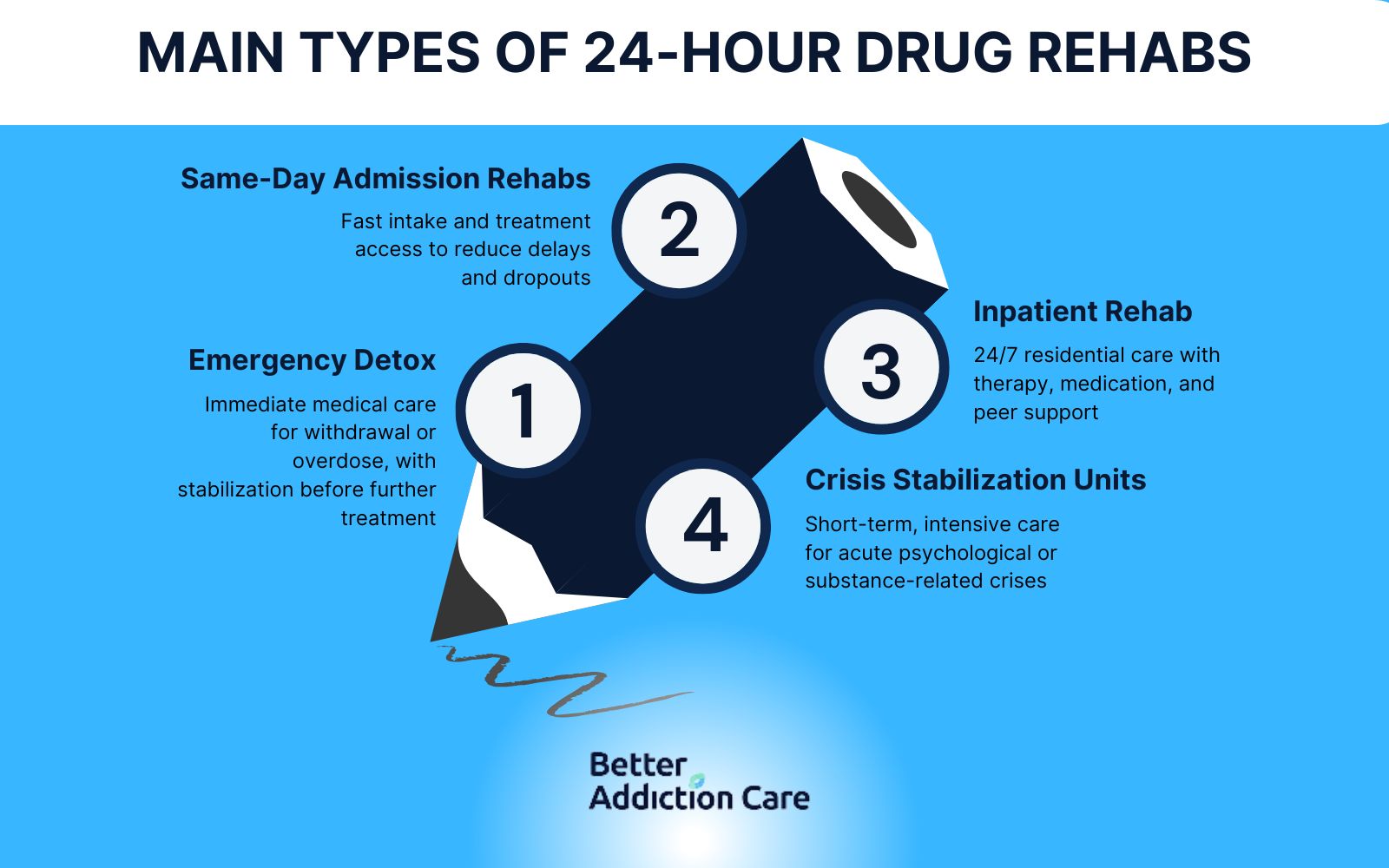
The types of 24-hour drug rehabs include emergency rehabs, same day admissions, inpatient and crisis rehab. These facilities differ based on the urgency of treatment, level of medical support, and the stage of recovery they address. The most critical types focus on rapid stabilization and immediate access to treatment.
Here are the main types of 24-hour drug rehabs:
Emergency Detox
Provides immediate, medically supervised care for individuals experiencing severe withdrawal or overdose. Staff monitor vital signs, administer medication, and stabilize the person before transitioning them into long-term treatment.
Same-Day Admission Rehabs
Offer rapid intake for individuals ready to start treatment without delay. These programs assess and admit patients within hours, reducing dropout risk and providing fast access to detox or inpatient care.
Inpatient Rehab
Inpatient Drug Rehab’s deliver structured, 24-hour support in a residential setting. Patients receive therapy, medication management, and peer support in a safe, substance-free environment.
Crisis Stabilization Units
Short-term, intensive programs for individuals in acute psychological or substance-related crises, offering immediate safety and medical oversight.
How Does Same-Day Admission Work?
Same-day admission works by streamlining the intake process so that when someone is ready to seek treatment, they can get started immediately. This typically begins with a phone call or walk-in evaluation, where an intake coordinator gathers basic information and performs an initial assessment. If the facility has availability and the person is medically stable or is safely admitted for detox, treatment will begin that same day.
According to the National Institute on Drug Abuse, treatment must be readily available to be effective. Delays discourage people from following through with care. That’s why many rehab centers prioritize fast access by minimizing wait times, reducing barriers, and offering flexible scheduling, even arranging transportation when needed. This quick response helps reduce dropout risk and supports better treatment outcomes.
What Is the Difference Between Emergency Medical Care and Same-Day Admission?
The difference between emergency medical care and same-day admission depends on the severity of the care needed. Emergency medical care refers to immediate, on-the-spot medical intervention for individuals experiencing a substance use crisis such as overdose, acute withdrawal, or severe psychological distress. This care is typically provided in emergency departments, detox units, or crisis stabilization facilities and focuses on stabilizing the person’s physical and mental condition.
Same-day admission, on the other hand, refers to the process of entering a treatment program (such as detox or inpatient rehab) on the same day a person seeks help. It is not limited to emergencies but is designed to eliminate delays in treatment and help individuals begin recovery as soon as they’re ready. While emergency care handles immediate health threats, same-day admission moves the person into a structured treatment setting for ongoing care and recovery.
In many cases, emergency care is the first step, followed by same-day admission into a rehab program once the individual is stabilized. ED patients with substance use disorders are more likely to be admitted to the hospital or intensive care unit and have higher rates of return visits within 72 hours compared to patients without substance use disorders according to Zhang, X. et. al. 2021 published by the West Journal Emergency Medicine.
What is the Process During Emergency Rehab Admission?
When entering emergency rehab for acute intoxication, overdose, or severe withdrawal, the process begins with a rapid medical assessment to determine the appropriate level of care. If initially seen at an emergency department, patients are typically transferred to a detox facility. Alternatively, individuals are able to contact a 24-hour rehab center directly and commence treatment the same day.
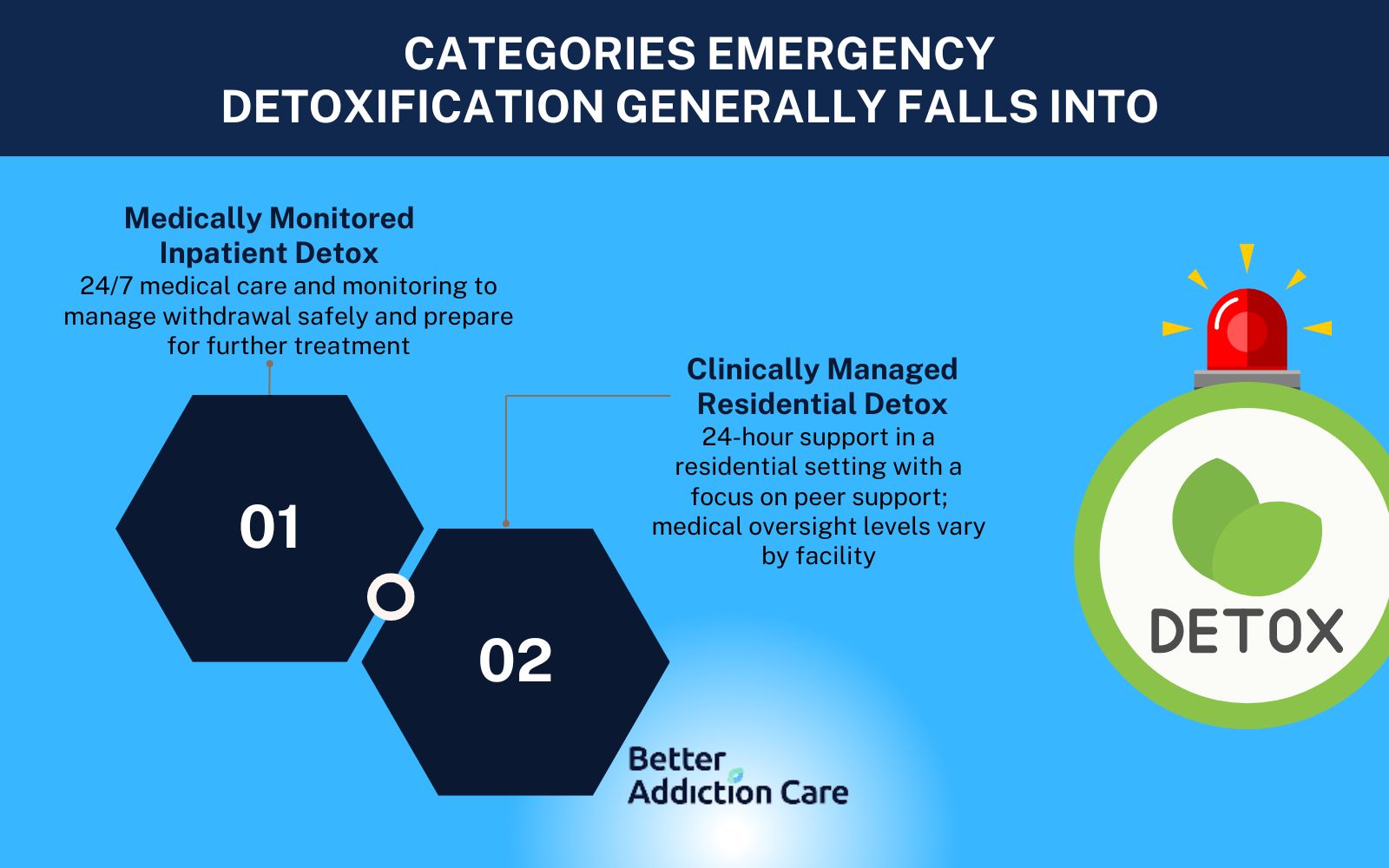
Emergency detoxification generally falls into two categories:
Medically Monitored Inpatient Detox
Provides 24/7 medical supervision, observation, and support for individuals experiencing withdrawal or intoxication. This level of care ensures medical stability, assesses biopsychosocial factors, and facilitates engagement in further treatment services according to SAMHSA.
Clinically Managed Residential Detox
Offers 24-hour supervision and support in a residential setting, emphasizing peer and social support. Medical oversight varies by facility, with some offering medical supervision by healthcare professionals, while others provide minimal medical oversight.
According to the CDC the rate of ED visits with a primary diagnosis of substance use disorder among adults increased from 74.4 per 10,000 population in 2018–2019 to 103.8 per 10,000 in 2020–2021, a 39.5% increase overall.
How to Find Same-Day Admission to a 24-Hour Rehab?
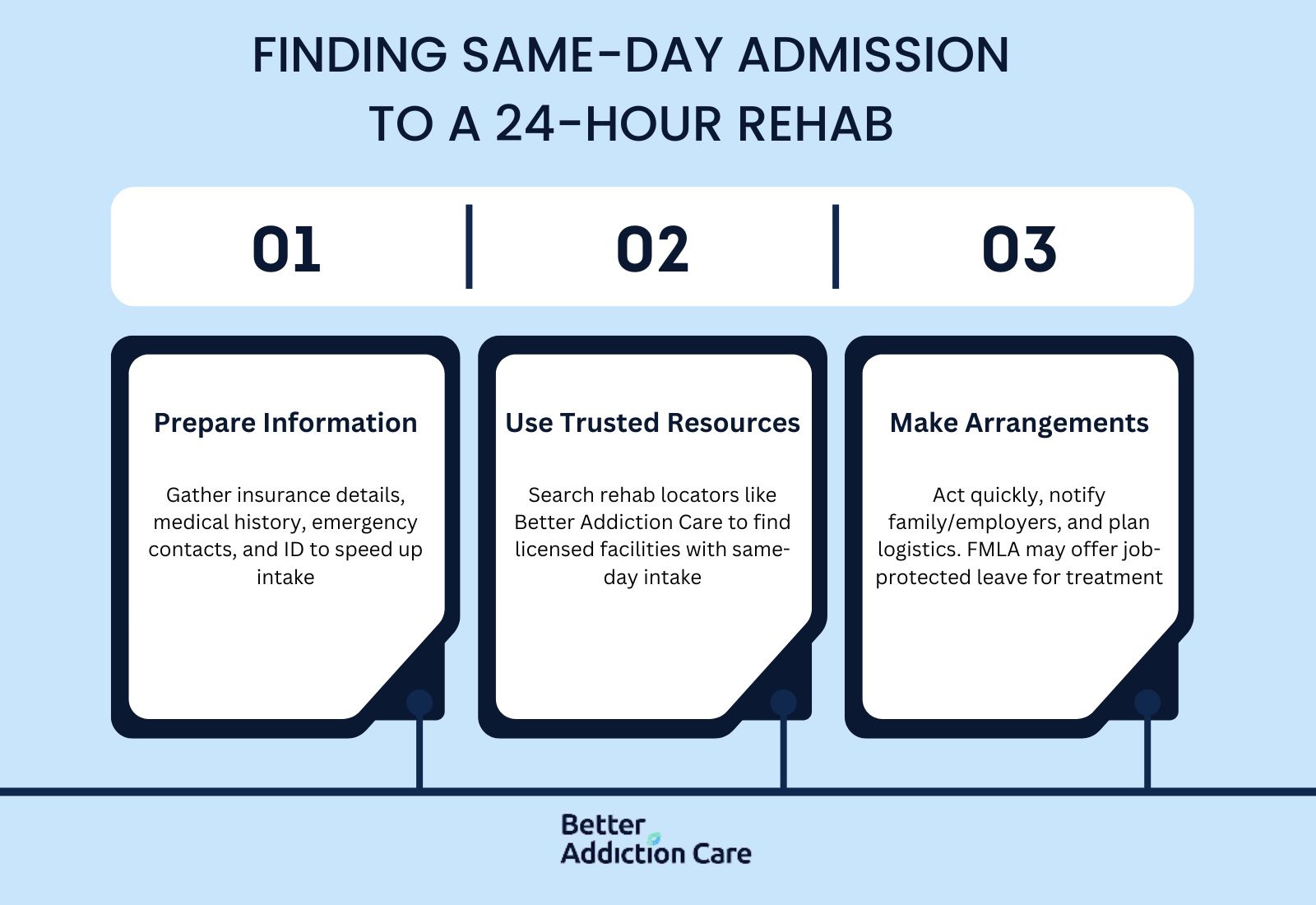
To find same-day admission to a 24-hour rehab requires a few important steps to move quickly and efficiently. Whether you’re facing a crisis or simply ready to start recovery without delay, here’s how to prepare for and access same-day admission to a 24-hour drug rehab:
Step 1: Prepare Important Information
Before reaching out, gather details and documents that will speed up the intake process:
-
Health insurance information and payment method (if uninsured, ask about self-pay options)
-
Medical and mental health history, including current medications
-
Emergency contact details
-
A valid form of ID or documents are needed if travel is involved
Having this information ready will help admissions teams verify eligibility and determine the appropriate level of care faster.
Step 2: Use Trusted Online Resources and Rehab Locators
To locate facilities offering same-day admission, visit websites like Better Addiction Care, which allow you to search by location and level of care. BAC’s rehab locator is a helpful tool that lists licensed facilities across the U.S., along with options for detox, inpatient, and outpatient services. These tools help you find programs offering 24-hour care and quick intake procedures.
Step 3: Make Arrangements and Enter Treatment
Once a program is identified, be prepared to act quickly. Notify any necessary family members or employers and make logistical plans such as travel and time away from work or school. If you’re employed, the Family and Medical Leave Act (FMLA) may provide up to 12 weeks of unpaid, job-protected leave for medical treatment. Knowing what to expect from rehab ahead of time, such as what to pack and how long you will stay, will help you feel more prepared to take that first step.
Are 24- Hour Drug Rehabs Covered By Insurance?
Yes, 24-hour drug rehabs are typically covered by insurance, depending on your provider and plan. Most private insurance companies, as well as Medicaid and Medicare, offer coverage for inpatient and residential treatment when it is deemed medically necessary. This includes 24-hour care for detox, stabilization, and ongoing therapy.
Coverage typically includes services such as medical detox, individual and group therapy, medications, and psychiatric support. However, the extent of coverage, like length of stay, out-of-pocket costs, and approved facilities, will vary widely.
To avoid unexpected costs, it's important to verify your insurance before entering treatment. Online resources like Better Addiction Care help you quickly check your insurance coverage, match you with programs that accept your plan, and connect you to facilities offering same-day admission. This will speed up the process and ensure you get into care as soon as you're ready.