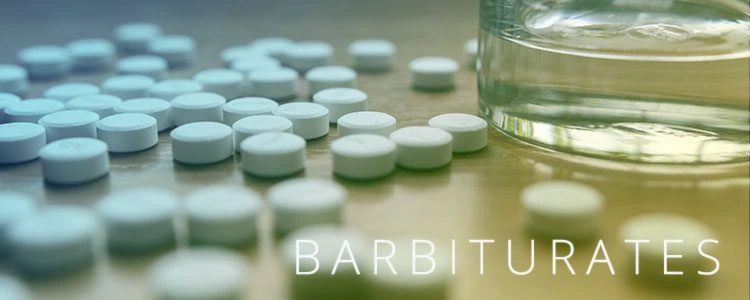
Barbiturates affect the central nervous system, causing a person to feel sedated. In the past, this type of medication was prescribed for patients dealing with everything from insomnia to anxiety. But over time, doctors began to realize that there is a fine line between taking enough to feel the effects and an overdose of barbiturates. Addiction also emerged as a major problem, and the negative effects of these drugs began to outweigh their usefulness. Today, barbiturates are only prescribed in severe cases. However, the appeal the drugs offer remains, leading many people to continue to seek the relaxing effects that come with taking a pill or shooting up. In the following article, we look deeper into barbiturate addiction.
Barbiturate Addiction Treatment
Are you searching for a barbiturate addiction treatment that offers a cost-effective, individualized plan in a comfortable setting? Are you looking to get sober while working through your addiction to barbiturates? Addiction recovery isn’t easy, but Better Addiction Care can get you started, working to find the right treatment center for you. It doesn’t matter if you are looking for inpatient services near you or you want to seek treatment at one of the nationwide facilities within our recovery network – we can help you transition so you can start healing right away. Call today to learn more about the options you have and how private insurance can help cover some of the cost of treatment.
Are Barbiturates Addictive?
Addiction is a problem no matter what substance you’re addicted to. Barbiturates are especially risky because of the numerous interactions that can take place as a result of mixing them with alcohol or other drugs. Users who add alcohol to the mix can cause the nervous system to depress even further, making it difficult to breathe. When they’re mixed with other depressants, a person’s heartbeat can slow to dangerous levels. Women who are taking certain types of birth control pills also may find that they aren’t as effective when they are using barbiturates.
Addiction to barbiturates is a serious concern that should be addressed as soon as possible. In addition to the risk of interactions with other substances, barbiturates can cause changes to a person’s mental perspective. While a mild form of euphoria is common, users often experience a lack of inhibition, causing them to participate in activities or display behaviors that are risky and could place a user’s life in jeopardy.
How Addictive Are Barbiturates?
Barbiturates are extremely addictive. There are many underlying factors that influence the severity of addiction to barbiturates. These include some genetic, biological, and environmental factors. Also, someone that is predisposed to certain mental illnesses like anxiety or depression has a higher chance of abusing these drugs.
Why Are Barbiturates Addictive?
Barbiturates are addictive for a variety of reasons. These include many mental factors as well as physiological factors that influence someone’s predisposition to addiction. Barbiturates interact with the brain in a manner that makes it desire the effect of the drug at all times, especially when certain triggers are present, like events that cause anxiety or alcohol consumption.
Barbiturate Addiction Signs
Some of the signs that someone is addicted to these substances are very related to similar substances. This includes perpetually displaying the physical signs of barbiturate use. These include:
- Withdrawal symptoms
- Intense feelings of drowsiness
- Decreased blood pressure
- Dizziness
- Inability to stay awake
- Loss of muscle coordination
- Staggering
- High fever
- Cardiovascular shock
- Frequent infections of the respiratory tract
- Shallow breathing
- Having difficulties breathing
- Seizures
- Kidney dysfunction
- Respiratory arrest
Have Barbiturate Addiction Issues?
Seeking treatment for addiction to barbiturates for yourself is a big step. We want to be with you every step of the way, starting with finding the alternative rehab programs that best suit your needs. We’ll take the time to learn more about you in order to find the location best for you and your addiction recovery. Don’t put off the decision. You can get help now from centers accepting new patients today. Fill out our contact form for more information.