(866) 567-3138
Sponsored Helpline
Verify Insurance
Some individuals notice changes in their sex drive after starting buspirone—either an increase, a decrease, or subtle shifts in desire or intimacy. These experiences can feel confusing or even distressing, especially during recovery when emotional balance matters deeply.
The reassuring reality is that sexual side effects with buspirone are generally mild, variable, and manageable.
Open, honest communication with healthcare providers can make a meaningful difference in both comfort and outcomes.
 Expert Verified
Buspirone is a prescription medication commonly used to treat generalized anxiety disorder (GAD) and persistent anxiety symptoms.
Unlike many traditional anti-anxiety medications, buspirone does not cause sedation or dependence, making it a preferred option in behavioral health recovery settings.
Buspirone belongs to a distinct class of anti-anxiety medications known as azapirones, and it functions very differently from more commonly recognized treatments like benzodiazepines or antidepressants[1].
Rather than calming anxiety by sedating the nervous system or producing a tranquilizing effect, buspirone works by gently rebalancing key neurotransmitters involved in emotional regulation.
Its primary action is on serotonin 5-HT1A receptors, where it acts as a partial agonist. Over time, this helps reduce excessive worry, stabilize mood, and support a more balanced stress response—without the emotional numbing or dependency risks associated with some other medications.
In addition to serotonin, buspirone has indirect effects on dopamine, a neurotransmitter closely tied to motivation, pleasure, reward, and sexual desire.
Dopamine plays a central role in initiating interest, curiosity, and engagement—including sexual interest—while serotonin influences emotional safety, mood stability, and inhibition.
Because these systems are deeply interconnected, even subtle shifts can influence arousal, desire, and emotional intimacy.
Buspirone’s gradual, non-sedating mechanism means changes often unfold slowly, and responses vary based on individual neurobiology, anxiety severity, and overall mental health context.
Yes—buspirone can influence sex drive, but the experience is highly individualized. Many people notice no sexual changes at all, while others report shifts in libido that may be positive, negative, or fluctuating over time.
These changes are most commonly reported during the early stages of treatment, when the brain is adapting to altered serotonin signaling and reduced anxiety activation[2].
For some individuals, higher doses may increase the likelihood of noticeable changes, though dose alone does not determine outcome.
Libido is not a fixed trait; it is shaped by emotional safety, stress levels, physical energy, and mental focus. As anxiety symptoms stabilize, sexual desire may naturally return or improve.
Importantly, buspirone is widely considered one of the least disruptive anti-anxiety medications in terms of long-term sexual side effects, particularly when compared with SSRIs, which are more strongly associated with reduced libido and arousal difficulties.
In most cases, any sexual changes linked to buspirone are temporary and manageable, especially when addressed early with medical guidance.
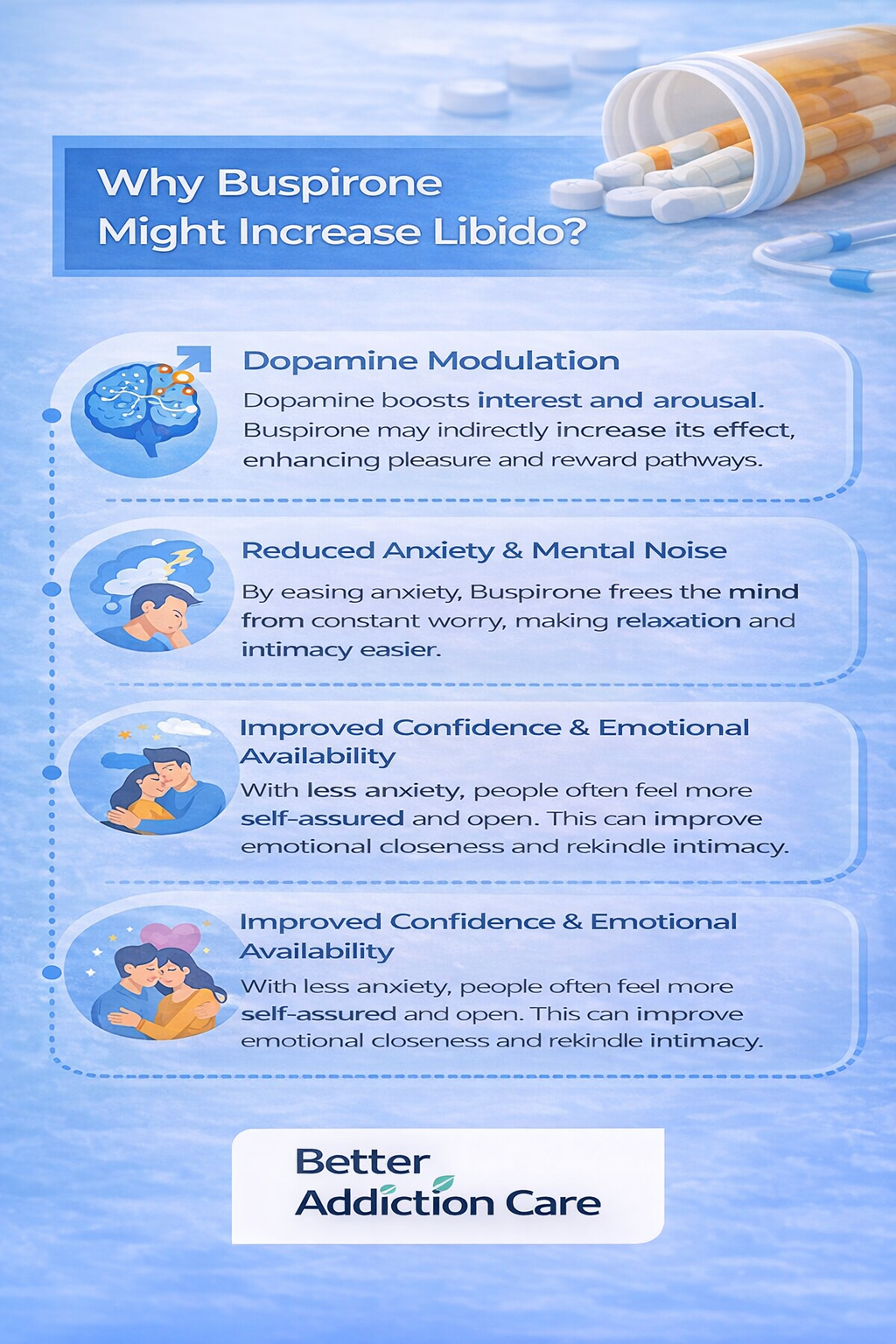
Buspirone’s indirect influence on dopamine may enhance the brain’s reward and motivation pathways. Dopamine is essential for initiating interest and anticipating pleasure[3].
For some individuals, this support of dopamine signaling can lead to greater sexual curiosity, improved arousal, or increased responsiveness, particularly as anxiety symptoms recede.
Chronic anxiety often places the nervous system in a constant state of alert, making relaxation and intimacy difficult. By easing excessive worry and mental tension, buspirone can help individuals feel more present in their bodies and emotions.
This reduction in mental noise allows space for desire to emerge naturally, rather than being overshadowed by fear or rumination.
As anxiety becomes more manageable, people often experience renewed self-confidence and emotional stability. This can improve social engagement, communication, and emotional closeness—key components of healthy sexual relationships.
Feeling emotionally safer and more connected may rekindle interest in intimacy, especially for those whose libido was previously suppressed by ongoing anxiety. This renewed sense of emotional balance can also reduce fear-based avoidance of intimacy, allowing desire to emerge more naturally, freely, and without pressure or self-doubt.
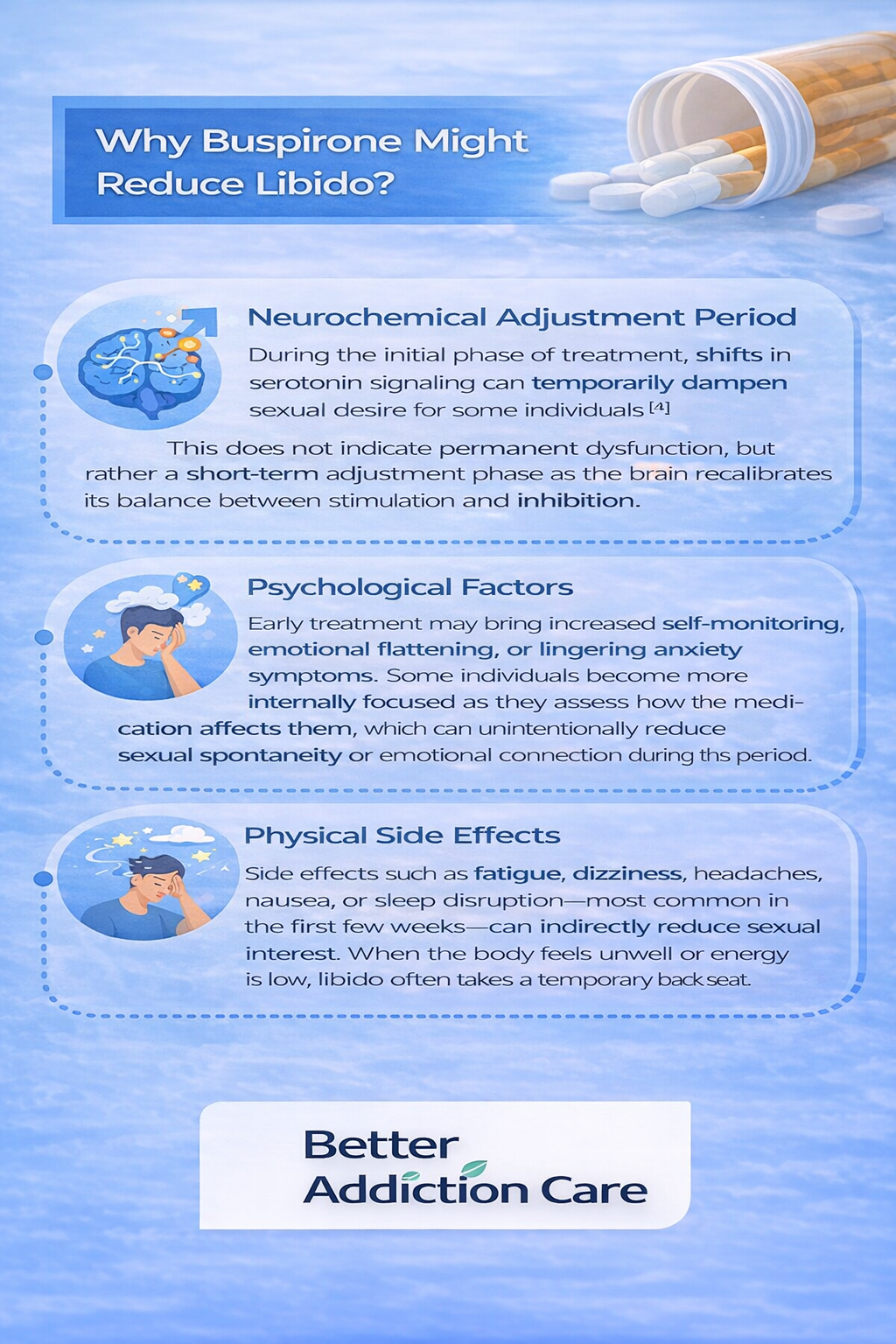
During the initial phase of treatment, shifts in serotonin signaling can temporarily dampen sexual desire for some individuals. [4] This does not indicate permanent dysfunction, but rather a short-term adjustment phase as the brain recalibrates its balance between stimulation and inhibition.
Early treatment may bring increased self-monitoring, emotional flattening, or lingering anxiety symptoms. Some individuals become more internally focused as they assess how the medication affects them, which can unintentionally reduce sexual spontaneity or emotional connection during this period.
Side effects such as fatigue, dizziness, headaches, nausea, or sleep disruption—most common in the first few weeks—can indirectly reduce sexual interest. When the body feels unwell or energy is low, libido often takes a temporary back seat. These effects typically improve as the body adapts or with dosage adjustments.
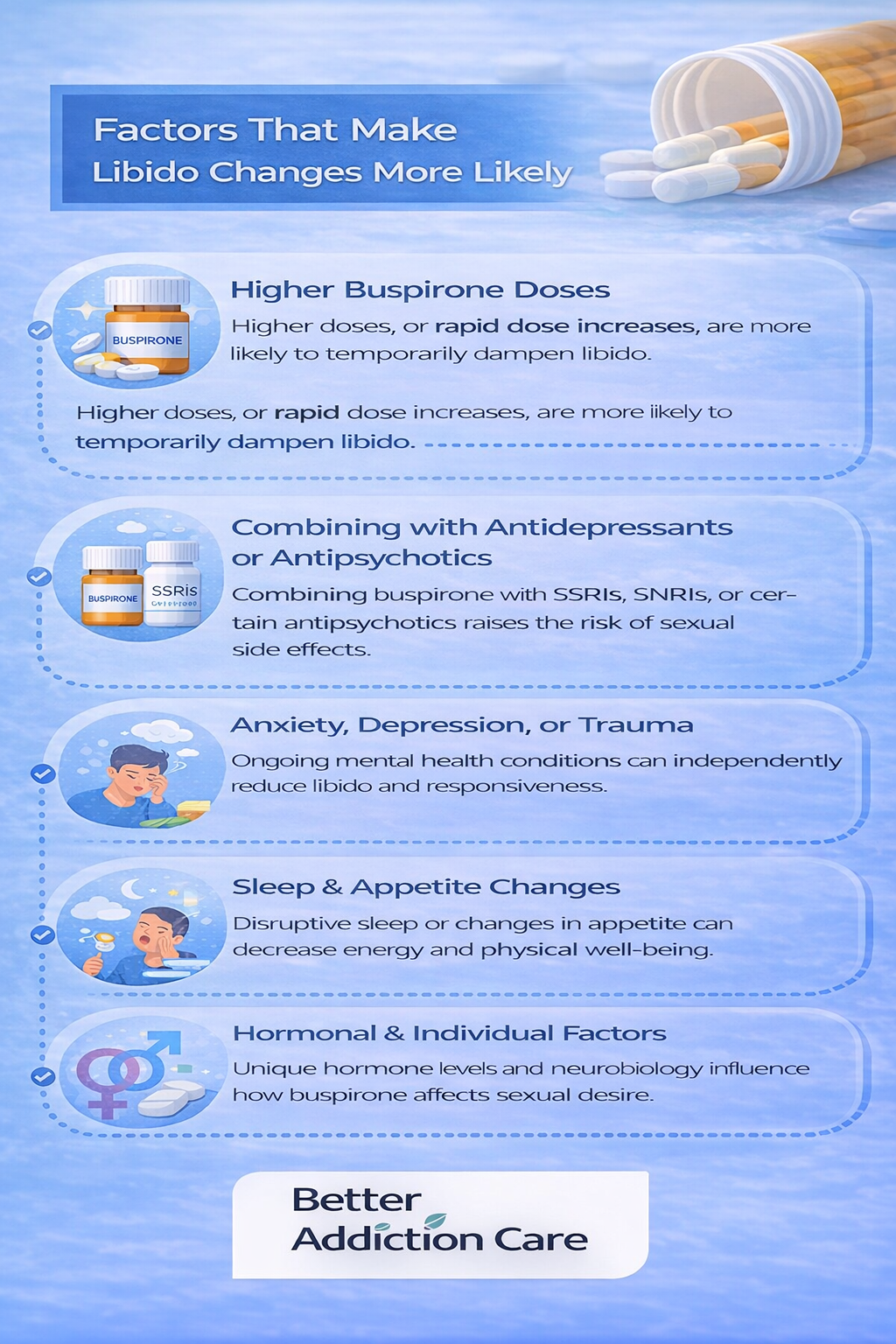
Libido-related changes are more likely to appear at higher doses of buspirone, particularly during dose increases or early stabilization phases[1]. As serotonin signaling becomes more pronounced, it can temporarily dampen sexual desire, arousal, or responsiveness.
These effects are often dose-dependent rather than permanent and may improve as the nervous system adapts or with careful dose adjustments under medical supervision.
When buspirone is used alongside antidepressants (especially SSRIs or SNRIs) or certain antipsychotics, the cumulative impact on serotonin and dopamine pathways can increase the likelihood of sexual side effects.
These medications may interact in ways that further suppress libido, delay arousal, or alter orgasmic response. In recovery-oriented care, this underscores the importance of reviewing the full medication profile rather than attributing symptoms to a single drug.
Underlying mental health conditions themselves can significantly affect sexual desire and intimacy. Chronic anxiety, depressive symptoms, or unresolved trauma often reduce libido by keeping the nervous system in a heightened or withdrawn state.
In these cases, changes in sexual function may reflect the broader emotional and psychological burden rather than a direct medication effect alone.
Poor sleep quality and appetite disturbances—whether caused by anxiety, medication effects, or lifestyle stressors—can indirectly reduce libido by disrupting energy levels, hormone regulation, and overall physical well-being.
When the body is fatigued or undernourished, sexual interest often becomes a lower priority, making these factors an important but sometimes overlooked contributor.
Each person’s hormonal balance, neurotransmitter sensitivity, and genetic makeup influence how buspirone affects sexual function.
Differences in estrogen, testosterone, cortisol regulation, and serotonin receptor activity can explain why some individuals notice libido changes while others do not. These variations are normal and highlight that sexual side effects are not a reflection of effort, mindset, or motivation.[5]
Sexual side effects can be uncomfortable to talk about, but they are a legitimate medical concern—not a personal weakness or failure.
Healthcare providers are trained to discuss these issues, and addressing them early often leads to better outcomes and fewer long-term frustrations.
Open communication helps ensure that mental health treatment supports overall quality of life, including intimacy and self-confidence.
Mentioning sexual changes as soon as they appear allows your provider to intervene before the issue becomes distressing or affects relationships.
Early discussions can prevent unnecessary dose escalation, emotional strain, or assumptions that the symptoms are permanent. Even mild changes are worth noting, as they may signal how your body is responding to treatment.
Keeping a simple record of when sexual changes began, whether they fluctuate, and how severe they feel can help your provider identify patterns.
Noting timing in relation to dose changes, new medications, sleep disruption, or stress can clarify whether the symptoms are medication-related or influenced by other factors. This information supports more precise and individualized care.
Explaining the emotional and relational impact of sexual side effects is just as important as describing physical symptoms. Reduced intimacy, frustration, or lowered self-confidence can affect recovery and mental well-being.
When providers understand the broader impact, they are better equipped to prioritize solutions that address both psychological health and quality of life.
Healthcare providers may respond by adjusting the dose, changing the timing of medication, reviewing interactions with other prescriptions, or monitoring related hormonal or mood factors.
In some cases, supportive therapies—such as counseling, behavioral strategies, or gradual medication adjustments—can help restore sexual function without stopping treatment entirely. The goal is balance: managing anxiety effectively while preserving physical comfort, confidence, and connection.
Lifestyle strategies cannot replace medical treatment, but they can play a meaningful, supportive role in protecting sexual health, emotional regulation, and overall well-being.
When the nervous system is already adjusting to medication or recovery-related stress, small, consistent habits often help stabilize mood, energy, and physical responsiveness over time.
Quality sleep supports hormone regulation, emotional resilience, and nervous system balance—all of which influence libido and intimacy. Disrupted or insufficient sleep can worsen fatigue, irritability, and reduced sexual interest.
Establishing regular sleep and wake times, limiting nighttime stimulation, and creating a calming bedtime routine can help the body recover and respond more evenly.
Adequate nutrition provides the energy and micronutrients needed for hormone production, circulation, and brain function. Irregular meals, dehydration, or restrictive eating patterns can lower libido and intensify mood symptoms.
Gentle consistency—rather than perfection—supports physical stability and helps the body feel safe enough to re-engage with desire and pleasure.
Chronic stress keeps the body in a heightened state that suppresses sexual interest and emotional connection.
Mindfulness practices, breathing exercises, stretching, yoga, or low-impact movement can calm the nervous system and improve body awareness. These approaches are especially helpful during recovery, where overstimulation or pressure can be counterproductive.
Honest, compassionate communication reduces misunderstanding, shame, and self-blame around sexual changes.
Sharing what feels difficult—and what feels supportive—helps maintain emotional intimacy even when physical intimacy fluctuates.
Feeling emotionally safe often lays the groundwork for gradual sexual reconnection.
Sexual changes become especially important to address when they cause emotional distress, disrupt relationships, or signal shifts in mental health. Seeking support is not a setback—it is a proactive step toward stability, safety, and overall well-being.
If sexual changes lead to shame, frustration, avoidance of intimacy, or tension with a partner, professional support can help prevent longer-term emotional harm. Persistent distress may erode self-confidence or create misunderstandings in relationships, even when the underlying cause is treatable.
Abrupt increases or decreases in sexual desire that coincide with worsening anxiety, depressive symptoms, mood instability, or emotional numbness may reflect broader changes in mental health.
These shifts deserve medical attention, as they can signal medication-related effects, relapse risk, or the need for treatment adjustment.
Uncharacteristic increases in sexual urges, impulsivity, or engagement in unsafe sexual behaviors may indicate mood dysregulation, medication side effects, or emerging psychiatric concerns.
Early evaluation helps protect emotional and physical safety and allows clinicians to intervene before consequences escalate.
Ongoing issues such as erectile dysfunction, loss of arousal, pain during sexual activity, or inability to achieve orgasm—especially when sudden or worsening—should be medically evaluated.
These symptoms can involve neurological, hormonal, vascular, or medication-related factors that are often manageable with appropriate care.
Encouraging timely medical guidance and support from licensed mental health or sexual health professionals helps ensure that sexual well-being is addressed alongside emotional recovery.
With proper evaluation and collaborative care, many sexual side effects can be reduced, resolved, or reframed in ways that support long-term healing and quality of life.
Buspirone can affect libido in either direction, though effects are usually mild and vary between individuals.
Neurochemical changes, anxiety relief, and lifestyle factors all play roles
Sexual side effects are often temporary and manageable
Open communication—with partners and clinicians—supports recovery and hope
For individuals and families navigating behavioral health recovery, sexual health changes can feel unsettling—but they are not permanent setbacks.
With informed care, patience, and support, most people find stability returns—often stronger than before.
Buspirone is generally considered to have a low risk of sexual side effects compared to many antidepressants. Most people do not experience reduced libido, erectile dysfunction, or difficulty reaching orgasm. In fact, buspirone is sometimes chosen specifically because it tends to preserve sexual function rather than suppress it.
In some individuals, yes. Because buspirone can reduce anxiety without significant sedation or serotonin overload, it may indirectly improve libido and sexual performance, especially when anxiety itself is the underlying cause of sexual difficulties. It has also been used in some cases to help counteract sexual side effects caused by other medications, such as SSRIs.
If you notice changes in libido, arousal, or sexual satisfaction, it’s important to discuss them openly with your healthcare provider. Sexual side effects can be influenced by anxiety levels, stress, relationship factors, dosage, or other medications. Adjusting the dose, timing, or addressing contributing factors often resolves the issue without needing to stop treatment.
By calling us, you agree to our Terms & Conditions
For those seeking addiction treatment for themselves or a loved one, our calls are confidential and are available for 24/7 help.
Any treatment center receiving calls from the site is a paid advertiser.
Calls to numbers on a specific treatment center listing will be routed to that treatment center.
Calls to any general helpline will be answered by treatment providers, each of which is a paid advertiser.
By calling the helpline you agree to the terms of use. These calls are offered at no cost to you and with no obligation to enter into treatment. Neither this site nor anyone who answers the call receives a commission or fee dependent upon which treatment provider a visitor may ultimately choose.
If you wish to explore additional treatment options or connect with a specific rehab center, you can: browse top-rated listings, visit our homepage, or visit SAMHSA, or by calling 800-662-HELP. You may also contact The Florida Department of Children and Family Services