(866) 567-3138
Sponsored Helpline
Verify Insurance
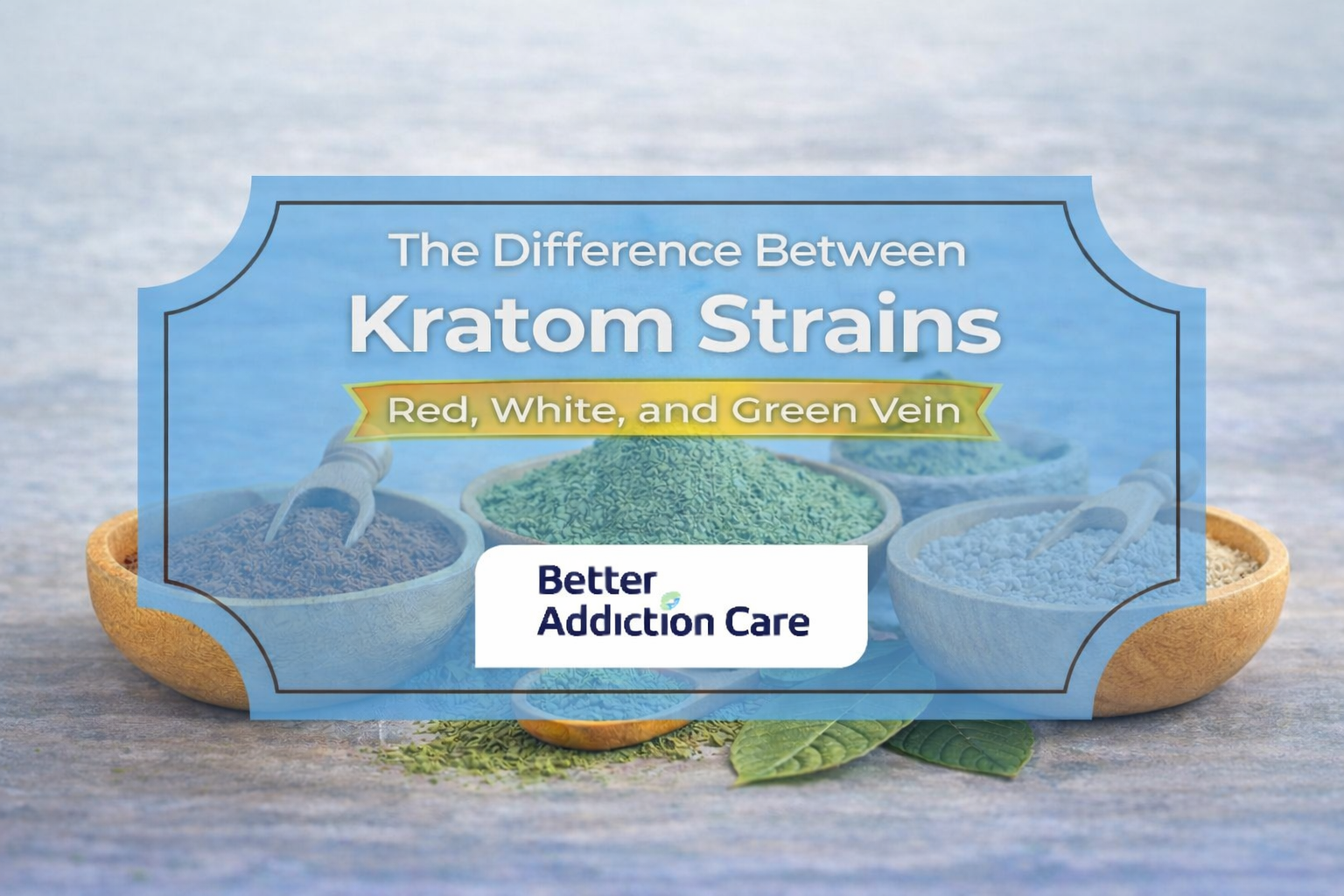
The primary differences between kratom strains come from leaf vein color (red, green, or white), along with variations in alkaloid content, leaf maturity, and processing methods.
These factors influence how each strain tends to affect energy levels, mood, and physical sensations.
While all kratom comes from the same plant species, these differences can lead to noticeably different user experiences.
 Expert Verified
Kratom has drawn attention in recent years as a plant sometimes used to manage pain, mood, or energy.
For families and individuals navigating behavioral health or recovery journeys, understanding kratom is crucial—not because it is a cure, but because knowledge empowers informed choices and harm reduction.
While some sources online promote kratom as a natural alternative to prescription medications, the reality is more nuanced. Its effects are highly variable, and it carries real risks, including dependence, tolerance, and emotional challenges.
Kratom, derived from the Mitragyna speciosa tree native to Southeast Asia, contains compounds called alkaloids, mainly mitragynine and 7-hydroxymitragynine. [1]
These interact with the brain’s opioid and stimulant receptors, which explains why kratom can temporarily relieve pain, boost energy, or create calming effects.
However, these effects are dose-dependent and strain-dependent. Long-term or frequent use carries risks such as physical dependence, withdrawal symptoms, and emotional instability.
For families supporting a loved one, understanding these nuances helps in recognizing patterns, fostering safe habits, and promoting proactive care.
What it is: Red vein kratom comes from leaves with deep red veins and stems, often dried slowly to intensify alkaloids, giving it sedative and pain-relieving properties.
Effects commonly reported:
Calming and sedating: Helps reduce anxiety and tension.
Pain relief: Temporarily alleviates chronic pain.
Sleep support: Often used to improve sleep onset.
Potential risks:
Increased sedation affects daily alertness.
Higher risk of dependence with regular use.
Withdrawal symptoms: irritability, insomnia, heightened anxiety.
Practical considerations for families:
Watch for changes in sleep patterns, daily activity, or mood.
Approach conversations with empathy and concern rather than judgment.
Consider professional guidance if use is regular.
Real-life perspective: Red vein kratom may help some individuals relax after a stressful day, but reliance can quietly replace healthier coping strategies over time. Awareness early on is crucial.
What it is: White vein kratom comes from leaves with pale veins, often dried quickly to preserve stimulating alkaloids.
Effects commonly reported:
Energy boost: Increases alertness and focus.
Mood lift: Reduces fatigue or low mood temporarily.
Motivation: Supports productivity or sociability.
Potential risks:
May increase anxiety, restlessness, or agitation at higher doses.
Potential for dependence, tolerance, and escalating use.
Withdrawal: fatigue, low mood, irritability, difficulty concentrating.
Considerations for individuals in recovery:
While stimulating effects can feel beneficial, white vein kratom may mimic addictive patterns seen in stimulants.
Tracking frequency, dose, and emotional response is critical.
Integrating healthier coping strategies like structured routines, exercise, or therapy provides sustainable energy without reliance.
Real-life insight: A person recovering from anxiety might initially enjoy white vein kratom’s energizing effects, but reliance can unintentionally reinforce dependence and undermine long-term coping skills.
What it is: Green vein kratom comes from leaves with green veins and offers a moderate effect profile, bridging the stimulation of white vein and the relaxation of red vein.
Effects commonly reported:
Mild energy boost: Less intense than white vein, providing alertness without overstimulation.
Mood stabilization: Promotes calm focus.
Pain relief: Moderate analgesic effects without heavy sedation.
Potential risks:
Dependence is still possible.
Individual responses vary; mild effects for one person may feel stronger for another.
Withdrawal tends to be milder but can include irritability or restlessness.
Family guidance:
Observe patterns such as frequency, emotional shifts, or behavioral changes.
Encourage conversations about use and support professional guidance if regular use occurs.
Practical perspective: Green vein may seem safer, but awareness of tolerance, timing, and psychological dependence is essential to prevent gradual escalation.
Even when kratom seems helpful in the short term, long-term or frequent use carries a range of psychological and physical risks that individuals and families need to understand.
Awareness of these risks is not about fear—it’s about making informed, safe choices that protect well-being. [2]
Dependence: Regular use can create cravings and a sense of reliance. Over time, individuals may feel unable to function normally without kratom. This psychological attachment can subtly replace healthier coping strategies, such as mindfulness, exercise, or social support. Recognizing early signs of dependence—such as using kratom to manage stress every day—is a crucial step toward prevention.
Tolerance: With repeated use, the body may adjust to the alkaloids, reducing the effects that were initially experienced. This often leads to gradually increasing doses to achieve the same relief, which can heighten risks for both physical and emotional side effects. Monitoring patterns of use can help individuals maintain control and avoid unintentional escalation.
Mood changes: Kratom can temporarily improve mood, but long-term or frequent use may contribute to anxiety, irritability, depression, or emotional instability. Some individuals report mood swings when the effects wear off, which can complicate daily life and relationships. Recognizing these changes early allows for timely intervention and healthier coping strategies.
Physical symptoms: Even when used responsibly, kratom can cause nausea, constipation, dizziness, fatigue, and sleep disturbances. These side effects may be mild at first but can accumulate over time, particularly with high or frequent doses. Understanding these potential physical impacts can help individuals make safer decisions and avoid harm.
Early recognition of these risks allows both individuals and families to intervene proactively, prevent escalation, and access professional support before challenges become severe.
Knowledge empowers safe decision-making, rather than creating unnecessary fear or shame.
Managing kratom use safely requires intentional strategies and self-awareness. These practical steps can support individuals in recovery or those exploring safer approaches:
Keep a simple journal noting when, why, and how much kratom you take.
Include emotional and physical responses to each use. This allows you to identify patterns, triggers, and potential warning signs of dependence.
Avoid daily use or high doses. Establish boundaries for when and how much kratom is appropriate.
If you notice tolerance building, consider gradual reduction with professional guidance rather than abrupt discontinuation, which can trigger withdrawal symptoms.
Exercise: Even short walks or stretching can naturally improve energy, reduce stress, and enhance mood.
Mindfulness and meditation: Daily mindfulness practices can help manage anxiety, cravings, and emotional fluctuations.
Sleep hygiene: Regular sleep schedules, limiting screens before bed, and creating a calming nighttime routine can reduce reliance on kratom for sleep.
Share your goals and concerns with trusted friends, family members, or support groups.
Behavioral health professionals can provide alternatives, guidance, and monitoring to reduce risk and support safer coping.
If discontinuing kratom, a gradual, medically supervised taper reduces withdrawal intensity.
Maintain hydration, balanced nutrition, and self-care routines during this period.
Engage in supportive activities, such as gentle exercise or relaxation techniques, to manage physical and emotional discomfort.
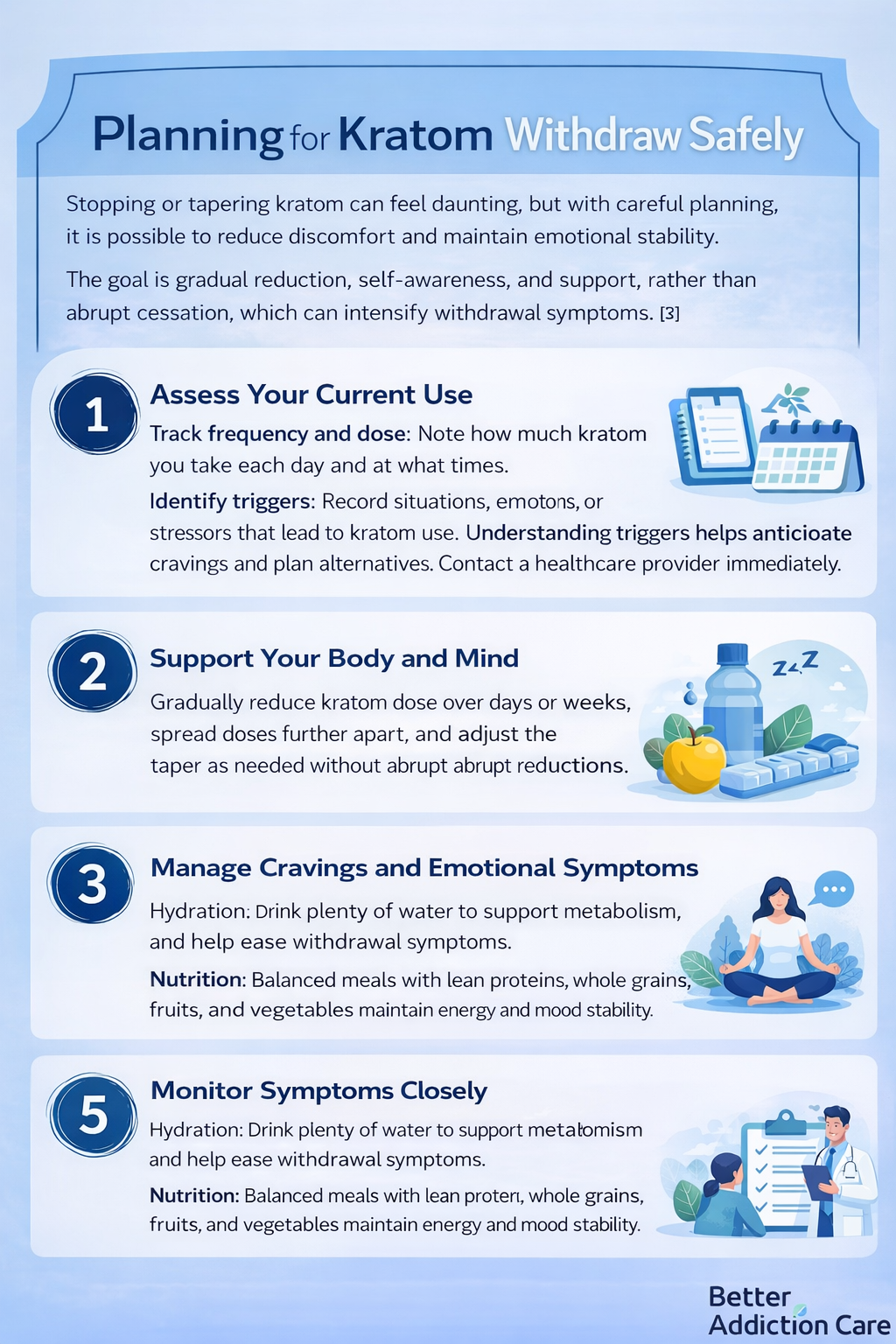
Stopping or tapering kratom can feel daunting, but with careful planning, it is possible to reduce discomfort and maintain emotional stability.
The goal is gradual reduction, self-awareness, and support, rather than abrupt cessation, which can intensify withdrawal symptoms. [3]
Track frequency and dose: Note how much kratom you take each day and at what times.
Identify triggers: Record situations, emotions, or stressors that lead to kratom use. Understanding triggers helps anticipate cravings and plan alternatives.
Set realistic goals: Decide whether you aim to reduce use gradually or stop entirely. Be honest about what feels achievable.
Gradual reduction: Reduce your dose slowly over days or weeks, depending on current use levels. A slow taper minimizes withdrawal intensity.
Adjust frequency: Spread doses further apart gradually. For example, if using multiple times a day, reduce to once daily, then every other day.
Stay flexible: Some days may feel harder; adjust the pace as needed, but avoid abrupt large reductions.
Hydration: Drink plenty of water to support metabolism and help ease withdrawal symptoms.
Nutrition: Balanced meals with lean proteins, whole grains, fruits, and vegetables maintain energy and mood stability.
Exercise: Gentle movement, stretching, or yoga can relieve tension, reduce anxiety, and promote natural endorphin release.
Sleep hygiene: Maintain consistent bedtimes, limit screens, and use calming routines such as reading or meditation to improve sleep quality.
Mindfulness and meditation: Short daily practices can help you observe cravings without acting on them.
Distraction techniques: Engage in hobbies, creative outlets, or social activities when cravings hit.
Peer or professional support: Talking with a trusted friend, family member, support group, or counselor provides accountability and reassurance.
Common withdrawal symptoms: Irritability, anxiety, low mood, fatigue, insomnia, nausea, or muscle aches.
Track changes: Document symptoms and their intensity. This helps you adjust the taper schedule or seek support if needed.
Seek help if severe: If symptoms become overwhelming or interfere with daily functioning, contact a healthcare provider immediately.
Develop sustainable routines: Exercise, therapy, meditation, or journaling can replace kratom as a coping mechanism.
Address underlying stress or pain: Use non-substance strategies to manage anxiety, depression, or chronic pain.
Celebrate progress: Even small reductions or coping successes are important milestones in recovery.
Withdrawal is temporary, but planning is essential to minimize discomfort and emotional distress.
A slow, structured taper is far safer and more effective than abrupt cessation.
Professional guidance, self-care, and a strong support network greatly increase the likelihood of success.
This approach helps maintain realistic hope: recovery is challenging, but achievable with preparation and support.
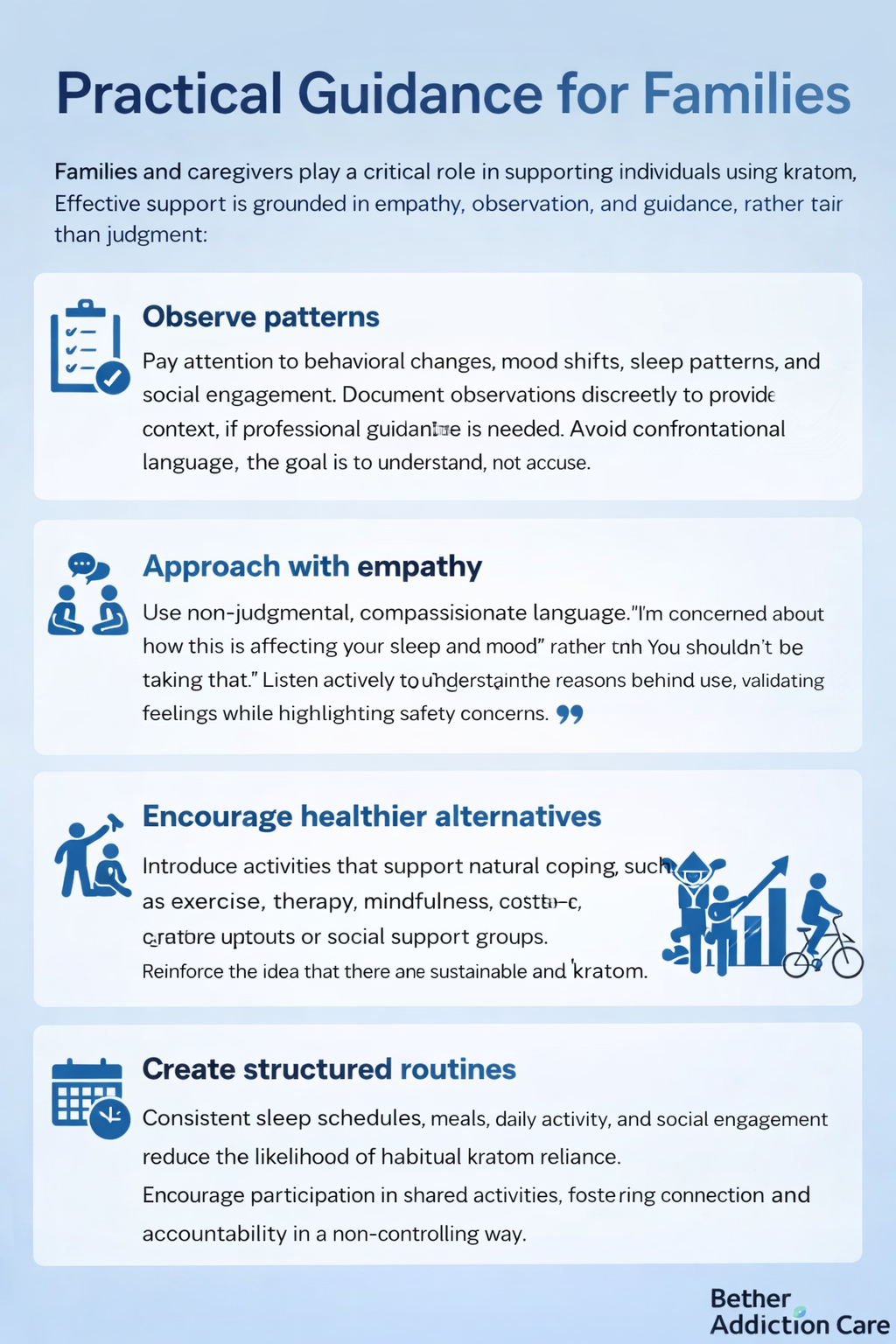
Families and caregivers play a critical role in supporting individuals using kratom. Effective support is grounded in empathy, observation, and guidance, rather than judgment:
Pay attention to behavioral changes, mood shifts, sleep patterns, and social engagement.
Document observations discreetly to provide context if professional guidance is needed. Avoid confrontational language; the goal is to understand, not accuse.
Use non-judgmental, compassionate language: “I’m concerned about how this is affecting your sleep and mood” rather than “You shouldn’t be taking that.”
Listen actively to understand the reasons behind use, validating feelings while highlighting safety concerns.
Introduce activities that support natural coping, such as exercise, therapy, mindfulness, creative outlets, or social support groups.
Reinforce the idea that there are sustainable ways to manage stress, pain, or anxiety without relying on kratom.
Consistent sleep schedules, meals, daily activity, and social engagement reduce the likelihood of habitual kratom reliance.
Encourage participation in shared activities, fostering connection and accountability in a non-controlling way.
Escalating use, withdrawal symptoms, or co-occurring mental health challenges indicate the need for professional support.
Early intervention with behavioral health specialists, addiction counselors, or primary care providers improves outcomes and supports realistic hope for recovery.
Immediate professional guidance is important if:
Cravings or use escalate despite negative consequences.
Severe withdrawal symptoms occur (agitation, vomiting, insomnia, intense anxiety).
Co-occurring mental health issues or substance use are present.
There is a noticeable decline in daily functioning.
Early intervention improves outcomes and supports realistic hope for recovery.
Kratom is not inherently “good” or “bad,” but understanding red, white, and green vein strains is about knowledge, not fear. Families and individuals who approach the topic with awareness, empathy, and professional support can reduce harm and foster safety.
Recovery and well-being are achievable when choices are grounded in information, observation, and compassion.
Every step toward awareness—knowing the strains, recognizing patterns, and seeking support—is a step toward safer, healthier living. Empowerment comes not from avoiding reality, but from facing it honestly, armed with knowledge, and with hope intact.
The main difference between kratom strains lies in their leaf vein color and alkaloid profile, which influence how they affect the body and mind. Kratom is commonly categorized into red, green, and white strains, each associated with different effects. Red strains are typically described as more calming and pain-relieving, green strains tend to offer balanced effects, and white strains are often linked to increased energy and alertness. These differences are influenced by alkaloid concentrations, maturity of the leaves at harvest, and processing methods rather than entirely separate plant species.
Red vein strains are generally associated with calming, relaxing, and pain-relieving effects. Green vein strains are often described as balanced, offering mild energy with some relaxation. White vein strains are commonly linked to increased alertness, focus, and stimulation. Effects can vary widely between individuals, depending on dose, tolerance, and personal sensitivity.
Yes. Kratom effects are highly individual. Factors such as body chemistry, metabolism, mental health, prior substance use, dosage, and frequency of use can all influence how a specific strain feels. A strain that feels energizing for one person may feel overstimulating or uncomfortable for another, which is why caution and awareness are important when comparing strains.
By calling us, you agree to our Terms & Conditions
For those seeking addiction treatment for themselves or a loved one, our calls are confidential and are available for 24/7 help.
Any treatment center receiving calls from the site is a paid advertiser.
Calls to numbers on a specific treatment center listing will be routed to that treatment center.
Calls to any general helpline will be answered by treatment providers, each of which is a paid advertiser.
By calling the helpline you agree to the terms of use. These calls are offered at no cost to you and with no obligation to enter into treatment. Neither this site nor anyone who answers the call receives a commission or fee dependent upon which treatment provider a visitor may ultimately choose.
If you wish to explore additional treatment options or connect with a specific rehab center, you can: browse top-rated listings, visit our homepage, or visit SAMHSA, or by calling 800-662-HELP. You may also contact The Florida Department of Children and Family Services