(866) 567-3138
Sponsored Helpline
Verify Insurance
Venlafaxine, commonly known by the brand name Effexor, is a prescription antidepressant belonging to a class called serotonin–norepinephrine reuptake inhibitors (SNRIs).
 Expert Verified
Venlafaxine (Effexor) is an antidepressant that can cause physical dependence, meaning the brain adapts to its presence over time.
When the medication is reduced too quickly or stopped suddenly, withdrawal symptoms may occur.
This is not a sign of weakness or addiction. Withdrawal happens because of neurobiology, not behavior or intent.
With proper medical guidance, gradual tapering, emotional support, and patience, Effexor withdrawal is manageable, and recovery—whether that means stopping the medication or continuing it safely—is absolutely possible.
It is approved to treat:
Major depressive disorder
Generalized anxiety disorder
Social anxiety disorder
Panic disorder
Venlafaxine works by increasing the availability of two key brain chemicals:
Serotonin, involved in mood, sleep, and emotional regulation
Norepinephrine, involved in energy, focus, and stress response
For many people, this combination is effective. However, the same mechanism that helps regulate mood can also make the brain highly sensitive to dose changes.
Families often use the word addiction because what they see looks frightening. But medically, dependence and addiction are not the same thing.
Tolerance: Over time, the brain adjusts to venlafaxine. The same dose may feel less effective, which is a normal biological response.
Physical Dependence: The nervous system becomes accustomed to the medication’s presence. When it is reduced too quickly, the brain struggles to maintain balance, leading to withdrawal symptoms.
Addiction: Addiction involves compulsive drug-seeking behavior, cravings for intoxication, loss of control, and continued use despite harm.
Venlafaxine does not produce euphoria, cravings, or compulsive misuse. What people experience is withdrawal, not addiction.
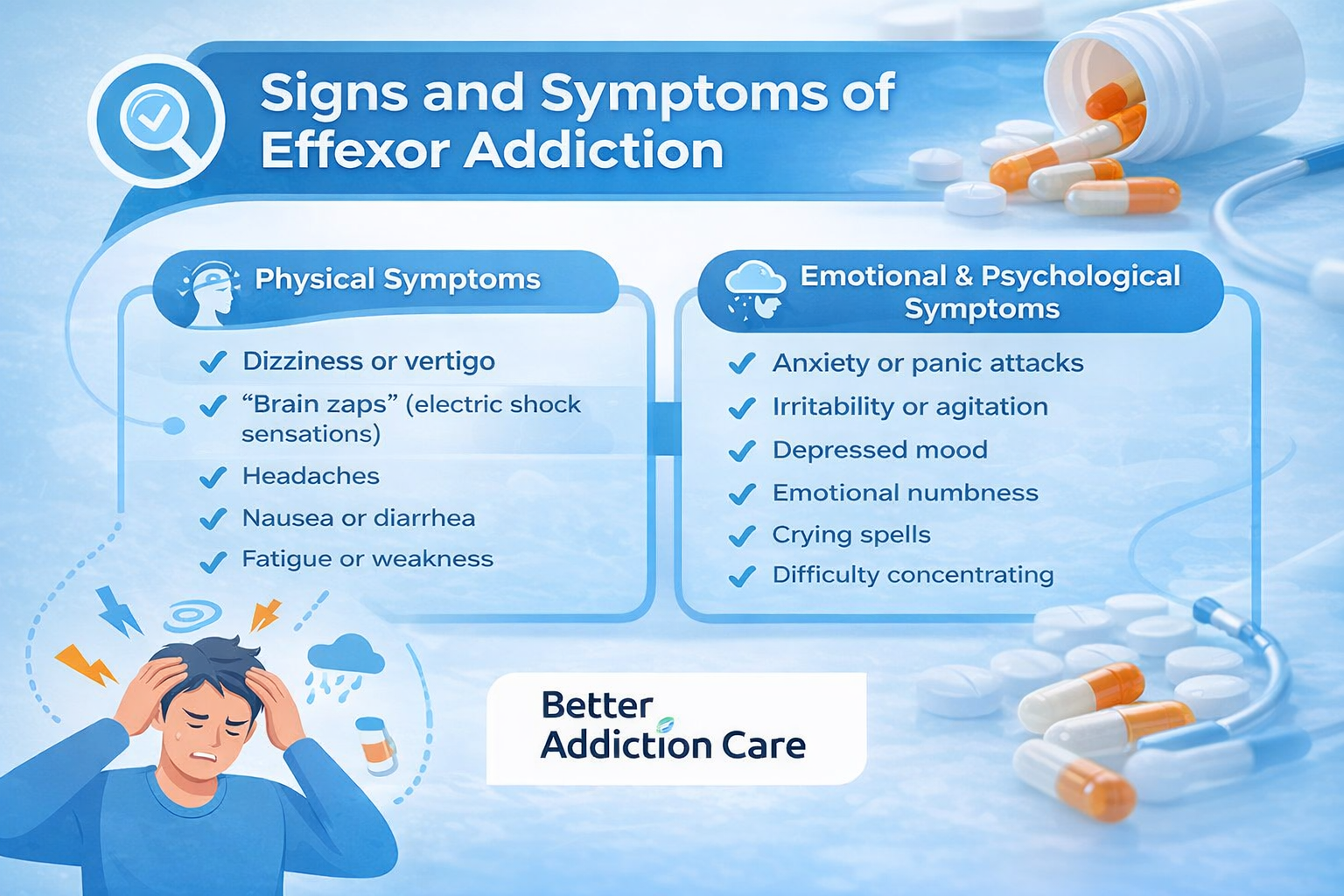
Dizziness or vertigo: Sudden lightheadedness, spinning sensations, or balance problems, especially when standing or turning the head. These symptoms can make routine activities feel unsafe and often worsen after missed or delayed doses.
“Brain zaps” or electric shock sensations: Brief jolting, buzzing, or shock-like sensations in the head, often triggered by eye movement or posture changes. These sensations may occur repeatedly throughout the day and are a common reason individuals fear stopping Effexor.
Headaches: Persistent or throbbing head pain ranging from mild pressure to migraine-like discomfort. Headaches often intensify during tapering attempts and may ease quickly when the medication is resumed.
Nausea, vomiting, or diarrhea: Gastrointestinal distress caused by sudden changes in serotonin and norepinephrine levels. Symptoms may include loss of appetite, stomach pain, or unpredictable digestive upset that interferes with daily functioning.
Fatigue or weakness: Ongoing physical exhaustion, muscle heaviness, or low energy even after rest. This fatigue can reduce motivation, concentration, and the ability to complete routine tasks.
Flu-like symptoms: Body aches, chills, sweating, or a general feeling of illness that can be mistaken for an infection rather than medication-related effects.
Sleep disturbances: Difficulty falling or staying asleep, vivid or disturbing dreams, frequent awakenings, or excessive daytime sleepiness, which can worsen emotional and cognitive symptoms.
Anxiety or panic attacks: Heightened nervousness, restlessness, racing thoughts, or sudden panic episodes, particularly when doses are missed or reduced. These symptoms may appear even in individuals without a prior history of anxiety.
Irritability or agitation: Increased sensitivity to stress, impatience, or sudden anger that feels disproportionate to the situation. Family members may notice mood swings or emotional volatility that seem out of character.
Depressed mood: Persistent sadness, hopelessness, or emotional heaviness that can emerge rapidly during withdrawal. Mood symptoms may feel more intense than those experienced before starting Effexor.
Emotional numbness: A blunted emotional state marked by feeling disconnected or “flat,” with reduced ability to experience pleasure, motivation, or emotional closeness.
Crying spells: Sudden, uncontrollable episodes of tearfulness without a clear trigger. These episodes can be distressing and confusing for both the individual and loved ones.
Difficulty concentrating: Brain fog, slowed thinking, memory lapses, or reduced focus that interfere with work, school, and everyday decision-making.
Fear of missing doses: Heightened anxiety around taking Effexor at the same time every day, with distress or panic if a dose is delayed or forgotten.
Reluctance to taper: Resistance to reducing the dose despite side effects or medical recommendations, driven by fear of withdrawal symptoms or emotional instability.
Restarting medication to stop symptoms: Resuming a previous dose after attempting to taper to relieve physical or emotional discomfort, reinforcing reliance on the medication.
Withdrawal from social interaction: Pulling away from family, friends, or activities once enjoyed due to fatigue, mood changes, or fear of symptoms worsening.
Increased healthcare visits: Frequent appointments, urgent refill requests, or repeated medical consultations focused on managing symptoms rather than addressing long-term dependence.
Recent systematic evidence indicates that about 15% (approximately one in six to seven patients) who discontinue antidepressants experience withdrawal symptoms directly attributable to stopping the medication, after accounting for non-specific effects seen in placebo groups. This finding comes from a large meta-analysis of 79 studies with over 21,000 participants.[2]
Among different antidepressants, venlafaxine (Effexor) and other SNRIs tend to show a relatively higher rate of discontinuation symptoms compared with some other agents.
In pooled clinical trials and open-label data, reported rates of withdrawal symptoms after stopping venlafaxine ranged from about 23% to 78%, though individual study designs varied. [3]
In the same systematic reviews, severe discontinuation symptoms were estimated to occur in roughly 2–3% of patients who stop antidepressants, including venlafaxine, and these severe reactions more frequently occurred with desvenlafaxine, venlafaxine, paroxetine, and some tricyclics than with other antidepressants. [4]
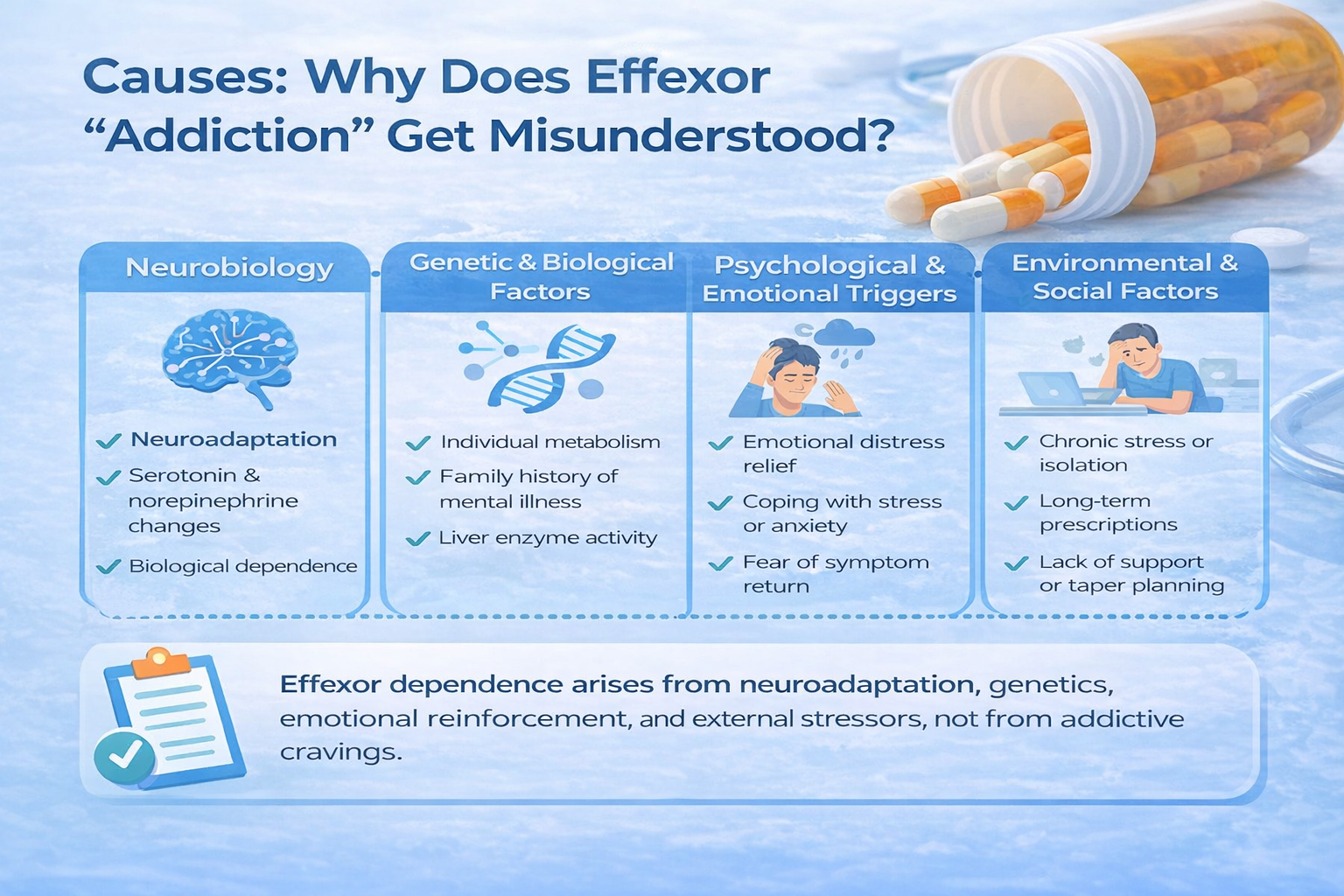
Effexor works by inhibiting the reuptake of serotonin and norepinephrine, increasing their availability in the brain. Unlike addictive substances, it does not bind to dopamine reward receptors or directly stimulate the brain’s reward circuitry.
With repeated exposure:
The brain adapts to sustained serotonin and norepinephrine levels
Receptor sensitivity and neurotransmitter regulation adjust over time
Neural signaling becomes dependent on the presence of the medication for balance
When Effexor is reduced or stopped, this adapted system temporarily struggles to regulate mood, sleep, and sensory processing, leading to withdrawal symptoms. These changes are reversible but can feel intense during the adjustment period.
Clinical evidence shows that longer duration of use, higher doses, and rapid tapering increase the likelihood and severity of withdrawal symptoms. [5]
Importantly, this response reflects physiological dependence, not psychological addiction, and does not involve cravings driven by reward-seeking behavior.
Effexor withdrawal is best understood as a neuroadaptation reversal process, where the brain gradually relearns to regulate neurotransmitters independently.
Individual biology plays a significant role in vulnerability to Effexor dependence.
Genetic factors influence how quickly Effexor is metabolized and how sensitive neurotransmitter systems are to change.
A family history of mood disorders, anxiety disorders, or substance use disorders may increase susceptibility to dependence patterns.
Differences in liver enzyme activity can cause some individuals to experience stronger withdrawal effects, reinforcing continued use.
Co-occurring mental health conditions—such as major depression, generalized anxiety disorder, panic disorder, or PTSD—can further increase risk, as symptom rebound during withdrawal may feel intolerable.
Psychological reinforcement is a major driver of Effexor dependence.
Effexor often provides relief from emotional pain, anxiety, or overwhelming stress.
When emotional distress returns during dose changes, resuming the medication becomes a learned coping strategy.
Over time, individuals may come to believe they cannot function, cope, or remain emotionally stable without Effexor.
This cycle of distress → relief → reinforcement strengthens emotional reliance, even when the medication is taken exactly as prescribed.
External circumstances can intensify reliance on Effexor.
Long-term prescribing without structured taper planning
Limited access to psychotherapy or non-medication coping supports
Social isolation or lack of emotional support
Chronic stress related to work, finances, caregiving, or health
Fear-based messaging about relapse or symptom return
When medication becomes the primary—or only—tool for managing emotional health, dependence risk increases.
Effexor dependence often develops gradually and unintentionally:
Initial treatment for depression, anxiety, or panic symptoms
Continued use leads to neurochemical adaptation and tolerance
Missed doses or taper attempts trigger withdrawal symptoms
Medication is resumed to stop discomfort and restore stability
Fear of withdrawal reinforces ongoing use
Attempts to stop become increasingly difficult without support
This progression does not reflect weakness or misuse intent, but rather a predictable response of the brain and nervous system to long-term SNRI exposure.
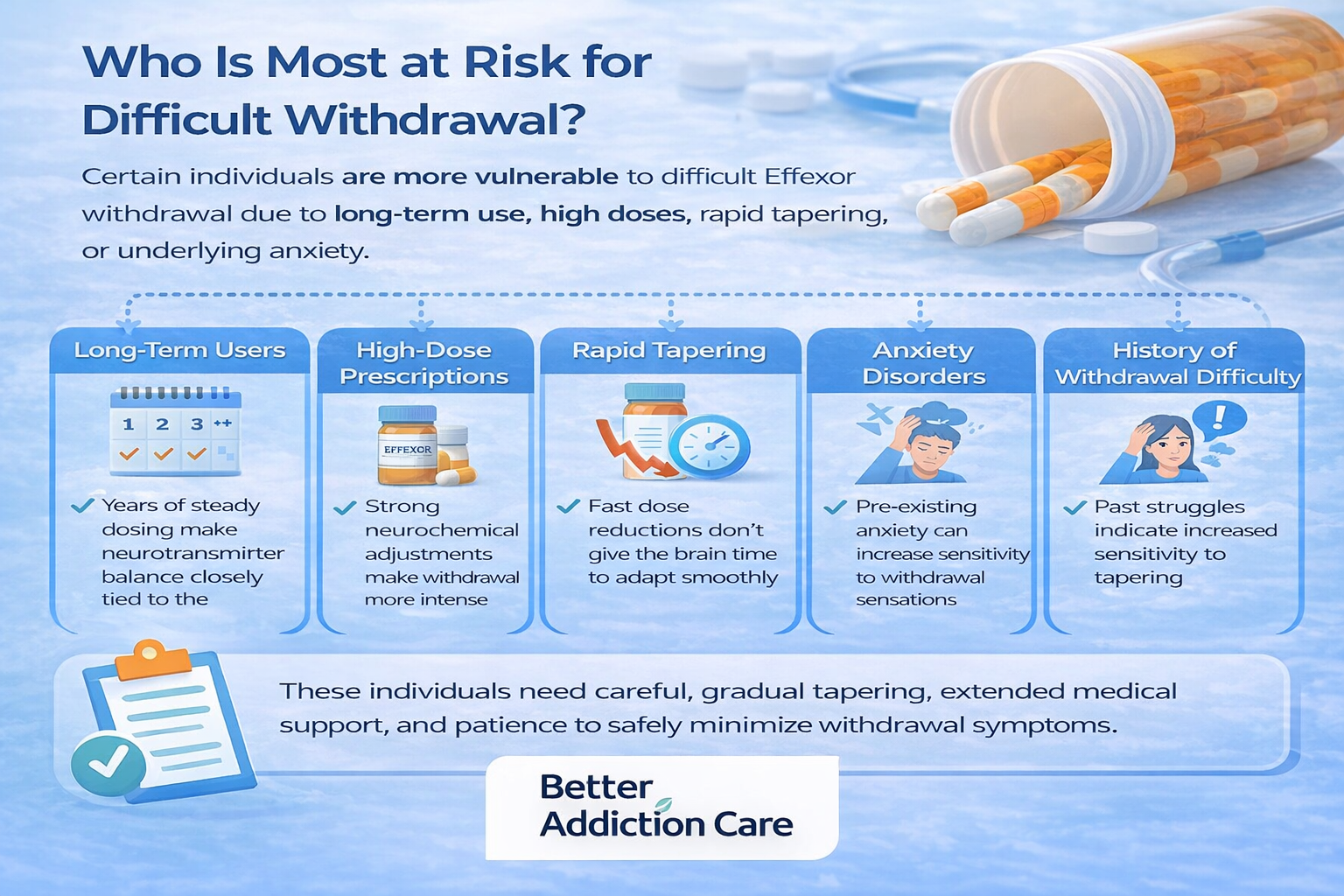
While anyone can experience withdrawal symptoms when stopping Effexor, certain individuals tend to be more vulnerable due to how long they’ve used the medication, dosage levels, or underlying mental health factors.
Understanding these risk groups helps emphasize why a careful, personalized tapering plan is so important.
Those who have taken Effexor for years: Long-term use allows the brain to adapt closely to the presence of the medication. Over time, neurotransmitter balance becomes dependent on consistent dosing, making sudden reductions more challenging for the nervous system to adjust to smoothly.
Individuals on higher doses: Higher doses generally create a stronger neurochemical adjustment. When the dose is reduced too quickly, the brain may struggle to recalibrate, increasing the likelihood of more noticeable physical and emotional withdrawal symptoms.
People who taper too quickly: Rapid dose reductions are one of the most common causes of difficult withdrawal. Effexor leaves the body relatively fast, so lowering the dose without adequate time between steps can trigger intense symptoms that feel abrupt and overwhelming.
Those with anxiety or panic disorders: People with pre-existing anxiety or panic symptoms may be more sensitive to the physical sensations of withdrawal, such as dizziness, restlessness, or heart palpitations. These sensations can amplify fear and make symptoms feel more severe than they are.
People who previously struggled with antidepressant withdrawal: A history of withdrawal difficulties often signals increased sensitivity to medication changes. Past experiences can also increase anticipatory anxiety, which may intensify symptoms during future tapering attempts.
Being “at risk” does not mean withdrawal will be severe or unmanageable—it simply highlights the importance of slow tapering, medical guidance, and realistic expectations. With the right plan and support, most people are able to reduce Effexor safely and successfully.
Short-term side effects are more likely during dose increases, missed doses, misuse, or early withdrawal and may include:
Nausea, vomiting, or stomach discomfort
Dizziness or lightheadedness
Headache or pressure sensations
Increased sweating or flushing
Insomnia or excessive sleepiness
Restlessness, agitation, or anxiety
Elevated heart rate or blood pressure
Appetite changes
Emotional blunting or feeling numb
Brain zaps or electric-shock sensations (especially if doses are missed)
With prolonged use, high doses, or improper discontinuation, some individuals may experience:
Physical dependence makes it difficult to stop without withdrawal symptoms
Persistent gastrointestinal issues (nausea, constipation, diarrhea)
Blood pressure elevation over time
Sleep disruption or chronic fatigue
Emotional flattening or reduced emotional responsiveness
Cognitive effects such as brain fog, concentration difficulties, or memory issues
Worsening anxiety or depressive symptoms during tolerance or withdrawal
Increased sensitivity to pain or bodily sensations
Sexual dysfunction (reduced libido, delayed orgasm)
Higher risk of severe withdrawal symptoms if stopped abruptly
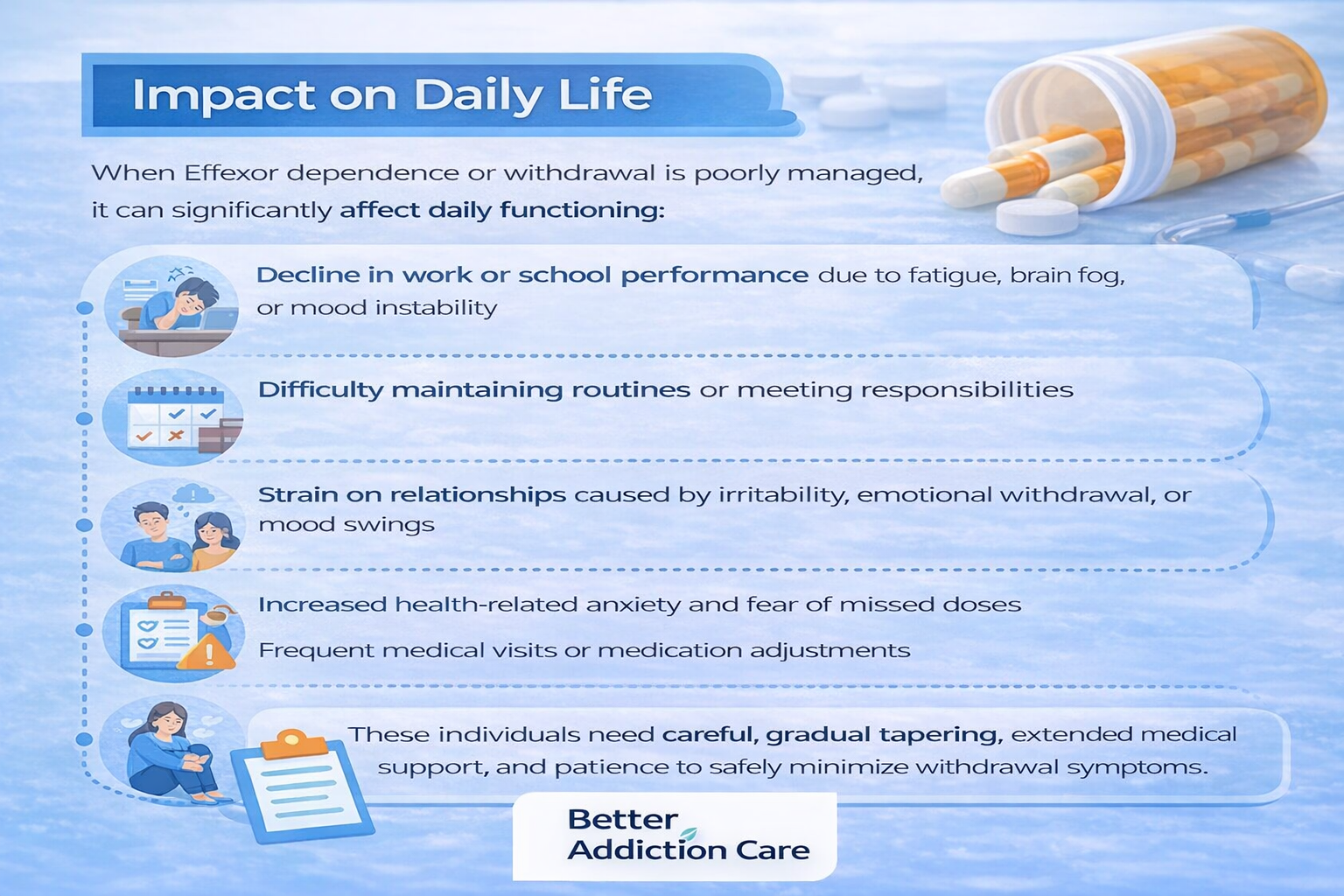
When Effexor dependence or withdrawal is poorly managed, it can significantly affect daily functioning:
Decline in work or school performance due to fatigue, brain fog, or mood instability
Difficulty maintaining routines or meeting responsibilities
Strain on relationships caused by irritability, emotional withdrawal, or mood swings
Increased health-related anxiety and fear of missed doses
Frequent medical visits or medication adjustments
Reduced overall quality of life during unmanaged tapering or withdrawal periods
Effective management of Effexor withdrawal relies on an individualized treatment plan rather than a one-size-fits-all approach. Care is most successful when it combines medical guidance, psychological support, and social stability.
The goal is not just symptom reduction, but helping the nervous system recalibrate safely while maintaining emotional well-being and daily functioning.
Treatment plans should be flexible and responsive, adjusting based on symptom severity, duration of Effexor use, dose history, and personal vulnerability to medication changes.
Setting:
Effexor withdrawal is most often managed in an outpatient setting, under the supervision of a prescribing clinician. Inpatient care is rarely required and is typically reserved for situations involving severe psychiatric instability or safety concerns.
Abrupt discontinuation (“cold turkey”) is strongly discouraged, as it significantly increases the risk of intense neurological and emotional symptoms.
Supports:
Gradual tapering is the cornerstone of withdrawal management, allowing the brain time to adjust to reduced serotonin and norepinephrine activity.
Adjunct medications may be prescribed short-term to relieve specific symptoms such as insomnia, nausea, dizziness, headaches, or acute anxiety.
Regular monitoring helps distinguish expected withdrawal effects from relapse or unrelated medical issues.
Withdrawal management is not about speeding the process—it is about minimizing distress and preventing complications.
Unlike opioid or alcohol use disorders, Medication-Assisted Treatment (MAT) is not typically indicated for Effexor withdrawal. There are no substitute medications equivalent to methadone or buprenorphine for antidepressants.
However, medication support may still include:
Symptom-targeted medications (e.g., sleep aids, anti-nausea agents)
Temporary stabilization strategies if mood or anxiety symptoms spike
Dose-formulation adjustments (such as smaller dose reductions) to ease tapering
Clinical experience and observational evidence show that slow tapering combined with medical oversight significantly reduces withdrawal severity and discontinuation failure, while abrupt cessation increases relapse risk and functional impairment. [6]
Inpatient / Residential Care (short-term, safety-focused):
Used only when withdrawal coincides with:
Severe depression or suicidal ideation
Inability to function or care for oneself
Significant psychiatric destabilization
The focus is stabilization, monitoring, and symptom relief—not long-term confinement.
Outpatient / Intensive Outpatient Programs (IOP):
Most individuals benefit from outpatient care or IOPs, which provide:
Therapy several times per week
Ongoing medication oversight
Emotional support while maintaining daily routines
These settings offer structure without unnecessary disruption to work or family life.
Psychotherapy plays a critical role during Effexor withdrawal, particularly for managing emotional and cognitive symptoms.
Common approaches include:
Cognitive Behavioral Therapy (CBT): Helps reduce catastrophic thinking, health anxiety, and fear-driven symptom amplification.
Motivational Interviewing (MI): Supports confidence and commitment during a challenging tapering process.
Family Therapy: Improves communication, reduces misunderstanding, and strengthens external support.
Therapy also equips individuals with relapse-prevention skills, emotional regulation tools, and strategies for handling stress during neurochemical adjustment.
Social connection reduces isolation and normalizes the withdrawal experience. While Effexor withdrawal is not an addiction, peer support can still be valuable.
Options include:
Mental health support groups
Peer-led recovery or wellness communities
Online forums moderated by clinicians or mental health organizations
Building recovery capital—supportive relationships, stable routines, and access to care—improves resilience throughout withdrawal and beyond.
Lifestyle-based supports do not replace medical care, but they meaningfully buffer withdrawal stress and support nervous system recovery.
Helpful adjuncts include:
Mindfulness and relaxation practices to calm autonomic nervous system activation
Gentle exercise, which supports mood regulation and sleep quality
Sleep hygiene strategies to stabilize circadian rhythms disrupted during tapering
Balanced nutrition and hydration, which support energy levels and brain health
These practices promote emotional steadiness and improve overall tolerance of the withdrawal process.
Effexor withdrawal does not follow a rigid schedule. Symptoms vary based on dose, duration of use, taper speed, and individual nervous system sensitivity. However, many people experience symptoms in phases.
Symptoms often begin within 24–72 hours after a dose reduction or missed doses, because Effexor has a relatively short half-life.
Common physical symptoms include:
Dizziness or “brain zaps” (electric shock sensations)
Nausea, vomiting, or gastrointestinal upset
Headaches and flu-like aches
Fatigue or weakness
Sweating and temperature sensitivity
Balance issues or lightheadedness
Visual disturbances or sensitivity to light
These symptoms reflect sudden changes in serotonin and norepinephrine signaling and can feel alarming, but are usually temporary.
Some individuals experience lingering or delayed symptoms, especially after long-term use or rapid tapering.
Common features include:
Persistent anxiety or inner restlessness
Mood swings or emotional sensitivity
Sleep disturbances or vivid dreams
Irritability or difficulty concentrating
Fear of relapse or health-related anxiety
Protracted symptoms do not mean permanent damage. They reflect slower neurochemical recalibration and typically improve with time and supportive care.
While Effexor withdrawal is usually not dangerous, urgent medical evaluation is necessary if severe symptoms develop.
Seek immediate help if any of the following occur:
Severe or uncontrolled vomiting, inability to keep fluids down, or signs of dehydration
Hallucinations, confusion, or disorientation
Suicidal thoughts, self-harm urges, or sudden behavioral changes
Seizures or loss of consciousness
Emergency actions:
If symptoms are severe or life-threatening, contact local emergency services immediately or go to the nearest emergency department. Effexor is not an opioid, so naloxone is not effective for venlafaxine-related emergencies.
Immediate-release venlafaxine: commonly prescribed in divided doses
Extended-release (XR): typically, 37.5 mg to 225 mg per day, depending on diagnosis and response
(Some patients may be prescribed higher doses under specialist care.)
Dosing should always be individualized and adjusted gradually.
Certain combinations increase the risk of adverse effects or overdose:
Alcohol, which can worsen sedation, dizziness, and mood instability
Benzodiazepines or other sedatives increasing cognitive impairment
Other serotonergic medications raising the risk of serotonin syndrome
Patients should always disclose all medications and supplements to their prescriber.
Effexor overdose does not cause respiratory depression like opioids. Instead, risks include:
Seizures
Heart rhythm disturbances
Serotonin syndrome
Severe agitation or altered mental status
Prompt medical treatment significantly improves outcomes.
Take Effexor only as prescribed
Do not double doses if one is missed
Store medication securely, away from children
Never share prescriptions
Dispose of unused medication through approved take-back programs
Effexor withdrawal can be frightening—but it is understandable, manageable, and temporary.
With:
Informed medical care
Gradual tapering
Emotional support
Patience and compassion
People can regain stability, confidence, and quality of life.
Recovery is not about rushing. It is about listening to the nervous system and responding with care.
No. Effexor is not addictive and does not produce cravings, euphoria, or compulsive drug-seeking behavior. However, physical dependence can occur, meaning the body adapts to the medication and may react when it is reduced or stopped.
The most significant risks involve abrupt discontinuation, which can lead to severe withdrawal symptoms, emotional instability, and functional impairment. In overdose situations, seizures and cardiac effects are the primary concerns.
Symptom flare-ups during tapering are often withdrawal-related, not a true relapse of depression or anxiety. This distinction matters. Relapse does not mean failure—it signals the need to slow the taper or adjust support.
Self-directed discontinuation is not recommended. Medical supervision allows for dose adjustments, symptom monitoring, and early intervention if complications arise. A supported taper is safer and more sustainable.
Families can help by:
Supportive environments reduce distress and improve outcomes.
Effexor withdrawal is usually not life-threatening, but it can be severely distressing and occasionally risky without supervision. Medical guidance ensures safety and prevents unnecessary suffering.
By calling us, you agree to our Terms & Conditions
For those seeking addiction treatment for themselves or a loved one, our calls are confidential and are available for 24/7 help.
Any treatment center receiving calls from the site is a paid advertiser.
Calls to numbers on a specific treatment center listing will be routed to that treatment center.
Calls to any general helpline will be answered by treatment providers, each of which is a paid advertiser.
By calling the helpline you agree to the terms of use. These calls are offered at no cost to you and with no obligation to enter into treatment. Neither this site nor anyone who answers the call receives a commission or fee dependent upon which treatment provider a visitor may ultimately choose.
If you wish to explore additional treatment options or connect with a specific rehab center, you can: browse top-rated listings, visit our homepage, or visit SAMHSA, or by calling 800-662-HELP. You may also contact The Florida Department of Children and Family Services