(866) 567-3138
Sponsored Helpline
Verify Insurance
Effexor functions by blocking the reabsorption (reuptake) of serotonin and norepinephrine in the brain.
This increases their availability in synaptic spaces, helping improve mood, reduce anxiety, and enhance overall emotional balance.
However, these same neurotransmitters are also involved in hunger signals, satiety, and energy expenditure.
 Expert Verified
Effexor (venlafaxine) can affect weight differently for each person. Some may experience mild weight loss initially, while others notice gradual weight gain over time. These changes are often linked to appetite, metabolism, and improvements in mood rather than the medication alone.
Weight changes usually develop slowly over weeks to months, which makes them easier to manage if monitored early. Keeping track of appetite, daily habits, and body weight can help address small changes before they become persistent.
Combining healthy lifestyle habits with guidance from a healthcare provider supports long-term success. With proper monitoring and adjustments, patients can continue benefiting from Effexor without major impacts on overall well-being.
Effexor, also known by its generic name venlafaxine, is a prescription antidepressant classified as a serotonin-norepinephrine reuptake inhibitor (SNRI).
It is widely prescribed for major depressive disorder, generalized anxiety disorder, panic disorder, and social anxiety disorder.
Unlike antidepressants that primarily target serotonin, Effexor works on two major neurotransmitters—serotonin and norepinephrine. [1] These brain chemicals are essential for mood regulation, emotional stability, stress response, energy levels, and appetite control.
Effexor functions by blocking the reabsorption (reuptake) of serotonin and norepinephrine in the brain. This increases their availability in synaptic spaces, helping improve mood, reduce anxiety, and enhance overall emotional balance.
However, these same neurotransmitters are also involved in hunger signals, satiety, and energy expenditure.
Because of this connection, some individuals may notice changes in appetite or weight during treatment. Importantly, these effects are indirect, not a direct fat-promoting action of the medication.
Potential contributors to weight changes include:
Mood improvement: As depression or anxiety improves, appetite may return to normal
Reduced stress: Lower anxiety can decrease appetite suppression
Lifestyle changes: Improved motivation may alter eating or activity patterns
Individual metabolism: Age, genetics, baseline weight, and hormonal factors
Understanding these influences helps patients view weight changes as part of the recovery process rather than an unavoidable medication side effect.
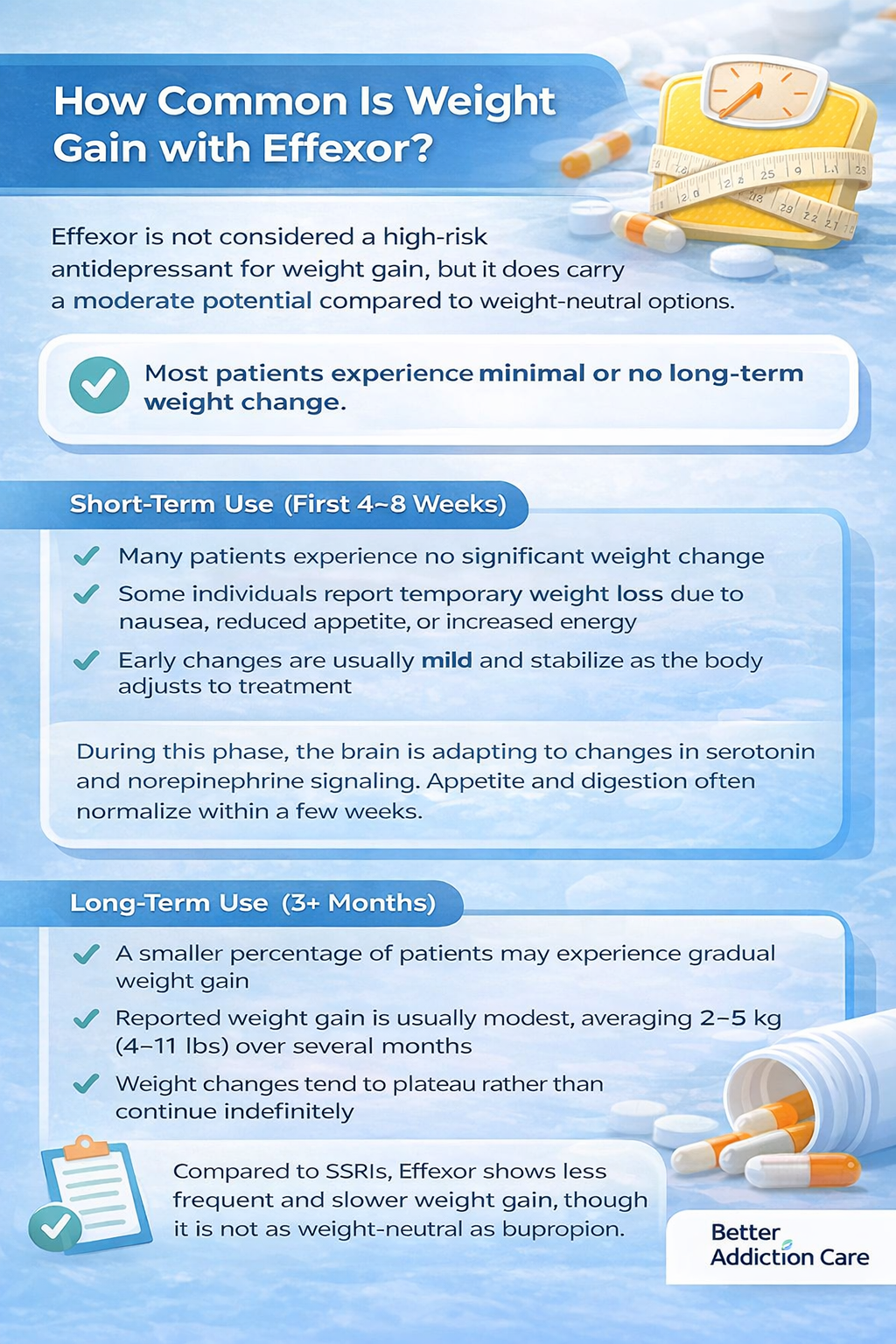
Effexor is not considered a high-risk antidepressant for weight gain, but it does carry a moderate potential compared to weight-neutral options.
Most patients experience minimal or no long-term weight change.
Many patients experience no significant weight change
Some individuals report temporary weight loss due to nausea, reduced appetite, or increased energy
Early changes are usually mild and stabilize as the body adjusts to treatment
During this phase, the brain is adapting to changes in serotonin and norepinephrine signaling. Appetite and digestion often normalize within a few weeks.
A smaller percentage of patients may experience gradual weight gain
Reported weight gain is usually modest, averaging 2–5 kg (4–11 lbs) over several months
Weight changes tend to plateau rather than continue indefinitely
Compared to SSRIs, Effexor shows less frequent and slower weight gain, though it is not as weight-neutral as bupropion.
Certain individuals may be more susceptible to weight changes:
Those with reduced physical activity
Patients whose depression previously suppressed their appetite
Individuals with metabolic conditions or insulin resistance
Long-term users without lifestyle adjustments
Family members may notice subtle increases in portion sizes, snacking frequency, or reduced movement before weight changes become visible. Early awareness allows for gentle, supportive guidance without creating stress.
In clinical research, up to approximately 10–15% of patients on venlafaxine reported gaining at least 5% of their baseline body weight compared to a lower proportion in control groups, such as sertraline. [2]
Weight gain is more closely linked to treatment duration and behavioral factors than to dose alone.
When weight changes occur with Effexor (venlafaxine), they are rarely caused by a single factor. Instead, weight gain usually develops through a combination of biological, hormonal, and behavioral changes that unfold gradually over time.
These effects can vary widely from person to person. Some individuals notice no change at all, while others experience slow but noticeable weight gain after several months of use.
Serotonin plays a major role in regulating appetite, satiety, and feelings of fullness after meals.
When serotonin levels stabilize with Effexor treatment, appetite may increase—especially in people who previously had a reduced appetite due to depression or anxiety.
In these cases, the return of hunger can feel sudden, leading to larger portion sizes or more frequent eating without conscious awareness.
Norepinephrine also affects appetite by influencing stress response and emotional eating patterns.
As anxiety decreases and emotional stability improves, appetite suppression caused by chronic stress may disappear.
This shift can lead to increased food intake, particularly comfort foods or carbohydrates that the body associates with emotional relief.
For many patients, this change reflects a return to “normal” eating rather than overeating. However, if calorie intake rises without adjustments in activity level, gradual weight gain can follow.
Effexor may subtly affect the body’s energy balance by influencing how calories are burned throughout the day. While it is not known to drastically slow metabolism, small changes in energy expenditure can still matter over time.
Some patients experience reduced restlessness, improved sleep, or relief from agitation.
While these improvements are beneficial for mental health, they may slightly lower daily calorie burn if physical activity levels remain the same.
Others may feel less driven to move or exercise as their nervous system becomes calmer.
In addition, improvements in fatigue may lead to more consistent eating patterns, which can increase total daily caloric intake.
These metabolic and energy-related changes are usually minor on their own, but when sustained over weeks or months, they can gradually contribute to weight gain.
Antidepressants like Effexor may indirectly influence hormones that regulate hunger and fullness.
These hormones help signal when to eat and when to stop, and even small disruptions can affect appetite.
Key hormones involved include:
Leptin, which signals fullness and helps regulate long-term energy balance
Ghrelin, which stimulates hunger and increases food-seeking behavior [3]
In some individuals, changes in these hormonal signals may lead to eating before true physical hunger develops or feeling less satisfied after meals.
While these effects are generally mild and not experienced by everyone, hormonally sensitive people may notice increased cravings or difficulty recognizing satiety cues.
These hormonal shifts do not usually cause rapid weight gain, but they can reinforce gradual changes in eating behavior over time.
As mood improves with Effexor treatment, many patients naturally return to healthier daily routines. While this is a positive outcome, it can unintentionally increase calorie intake.
Common behavioral changes include:
Eating more regular meals after periods of appetite loss
Participating in social meals with family or friends
Snacking more frequently throughout the day
Relaxing strict food rules that were previously used during illness
These shifts often reflect emotional recovery rather than unhealthy habits. However, without mindful portion control or routine physical activity, total calorie intake may increase beyond the body’s needs.
Families and caregivers can play a supportive role by encouraging balanced meals, consistent eating schedules, and enjoyable physical activities rather than focusing on weight alone.
Creating a supportive environment helps maintain both mental well-being and long-term physical health.
In most cases, weight gain associated with Effexor is not permanent and can be managed effectively.
Weight Gain Often Stabilizes
Research shows weight changes often plateau within 6–12 months
Appetite increases frequently represent a return to baseline eating patterns
Continued, unchecked gain is uncommon with early lifestyle adjustments
Reversibility with Medical Guidance
Gradual tapering or medication adjustments under medical supervision often lead to weight normalization
Dose optimization may reduce appetite effects
Weight changes usually reverse slowly rather than abruptly
In rare cases where weight gain persists, management strategies include:
Structured nutrition planning
Consistent physical activity routines
Mindful eating practices
Medical review of treatment options
Weight change should be framed as a manageable side effect—not a failure of treatment or self-control.
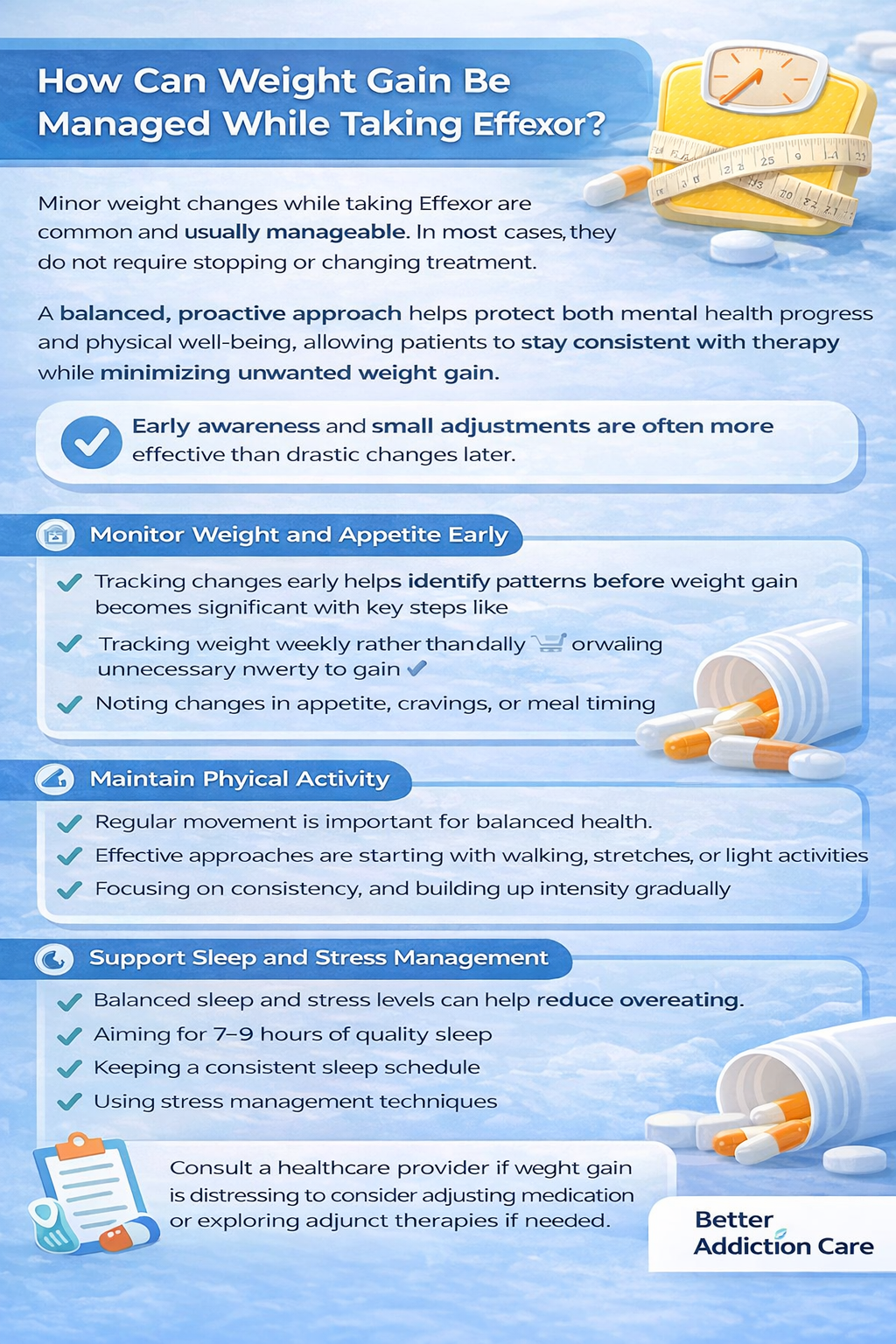
Minor weight changes while taking Effexor are common and usually manageable. In most cases, they do not require stopping or changing treatment.
A balanced, proactive approach helps protect both mental health progress and physical well-being, allowing patients to stay consistent with therapy while minimizing unwanted weight gain.
Early awareness and small adjustments are often more effective than drastic changes later.
Tracking changes early helps identify patterns before weight gain becomes significant. Small increases are easier to manage when addressed promptly.
Key steps include:
Tracking weight weekly rather than daily to avoid unnecessary anxiety
Noting changes in appetite, cravings, or meal timing
Paying attention to emotional eating triggers
Setting realistic expectations for minor fluctuations during treatment initiation
Weight can naturally fluctuate due to water retention, improved appetite, or changes in routine. Recognizing what is temporary versus persistent helps guide appropriate responses without overreacting.
Nutrition plays a central role in managing weight while on antidepressants. The goal is not restriction, but balance and consistency.
Helpful strategies include:
Emphasizing lean proteins, vegetables, fruits, and whole grains to support satiety
Planning meals and snacks ahead of time to reduce impulsive eating
Choosing high-fiber foods that promote fullness and stabilize blood sugar
Staying well-hydrated, as thirst can mimic hunger
Practicing portion awareness rather than strict calorie counting
Structured eating patterns can help prevent overeating driven by restored appetite or improved mood. Consistent meals also support energy levels and emotional stability.
Regular movement supports both mental health and metabolic balance. It does not need to be intense to be effective.
Recommended approaches include:
Starting with walking, stretching, or gentle yoga
Incorporating light resistance or bodyweight exercises as tolerated
Focusing on consistency rather than duration or intensity
Choosing activities that feel enjoyable and sustainable
Physical activity improves insulin sensitivity, supports energy expenditure, and enhances mood—often reinforcing the benefits of Effexor rather than competing with them.
Sleep and stress have a direct impact on appetite-regulating hormones. Poor sleep increases hunger signals and reduces feelings of fullness.
Supportive strategies include:
Aiming for 7–9 hours of quality sleep per night
Keeping consistent sleep and wake times
Reducing screen exposure before bedtime
Using mindfulness, breathing exercises, or relaxation techniques to manage stress
Reducing emotional and stress-related eating is often easier when sleep quality improves and stress levels are better regulated.
If lifestyle strategies are not effective or weight gain becomes distressing, medical guidance is essential.
Possible discussions with a healthcare professional may include:
Reviewing medication dosage and timing
Assessing whether weight changes are medication-related or lifestyle-related
Exploring adjunct therapies that support metabolic balance
Considering alternative treatments if clinically appropriate
Medication should never be adjusted or discontinued without professional guidance. Mental health stability remains the top priority, and any changes should be made thoughtfully and safely.
Early consultation ensures peace of mind and prevents long-term issues.
Red Flags for Medical Review
Rapid gain of 2–3 kg (4–6 lbs) in a short period
Weight changes without a dietary or activity explanation
Metabolic concerns (blood sugar, cholesterol, blood pressure)
Emotional distress related to weight changes
How Your Doctor Can Help?
Review treatment plan
Assess metabolic and lifestyle factors
Recommend nutrition or activity support
Adjust medication if necessary
Seeking guidance is proactive—not a sign of failure.
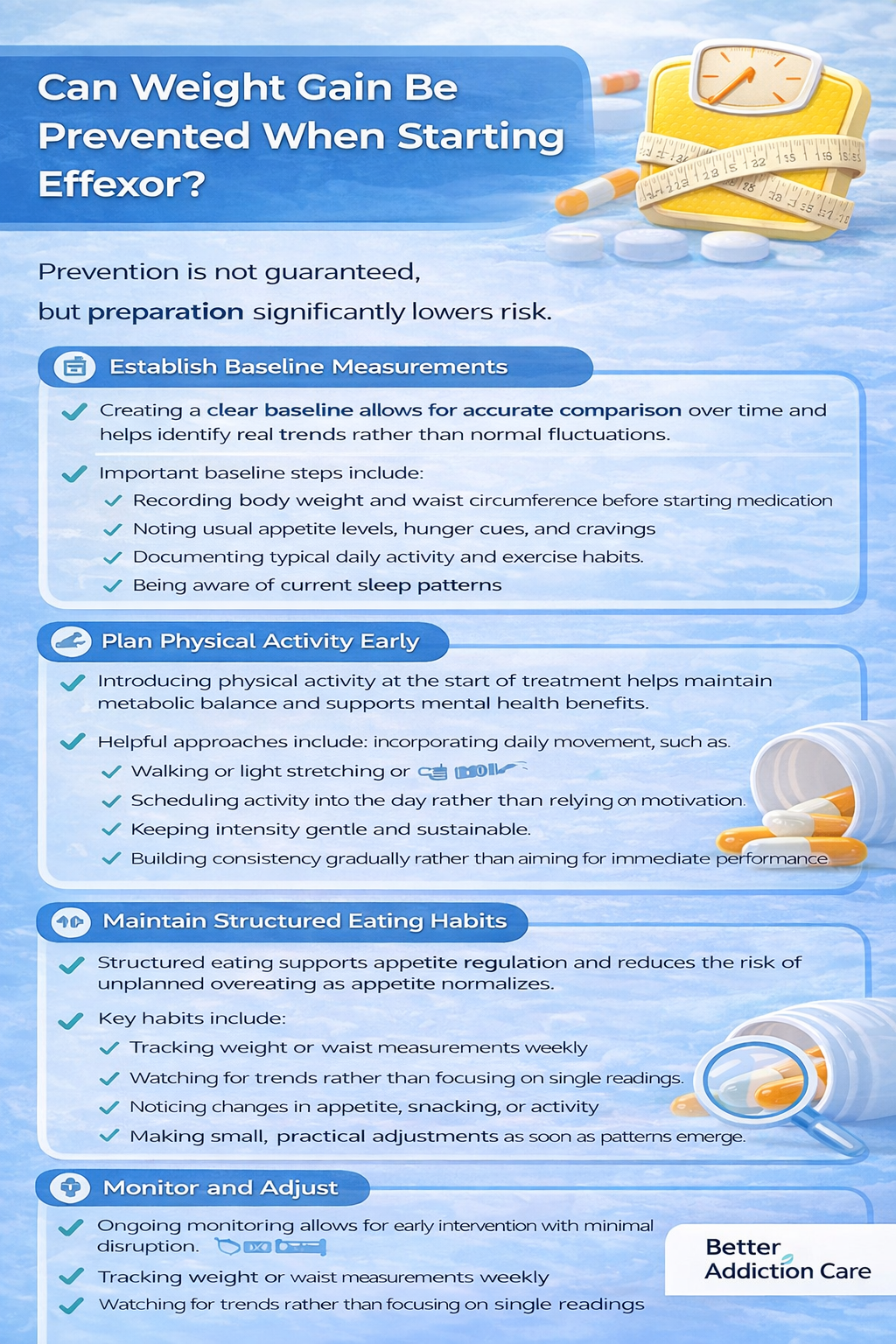
Prevention is not guaranteed, but preparation significantly lowers risk.
Creating a clear baseline allows for accurate comparison over time and helps identify real trends rather than normal fluctuations.
Important baseline steps include:
Recording body weight and waist circumference before starting medication
Noting usual appetite levels, hunger cues, and cravings
Documenting typical daily activity and exercise habits
Being aware of current sleep patterns
These measurements provide context and prevent unnecessary concern over short-term changes that may be unrelated to medication.
Introducing physical activity at the start of treatment helps maintain metabolic balance and supports mental health benefits.
Helpful approaches include:
Incorporating daily movement, such as walking or light stretching
Scheduling activity into the day rather than relying on motivation
Keeping intensity gentle and sustainable
Building consistency gradually rather than aiming for immediate performance
Early activity routines are easier to maintain long-term and reduce the likelihood of gradual weight accumulation.
Structured eating supports appetite regulation and reduces the risk of unplanned overeating as appetite normalizes.
Key habits include:
Eating regular meals at consistent times
Choosing nutrient-dense foods that promote fullness and stable energy
Including protein and fiber at each meal
Avoiding skipped meals, which can trigger rebound hunger later in the day
Predictable eating patterns help align hunger signals with true physical needs rather than emotional or stress-driven cues.
Ongoing monitoring allows for early intervention with minimal disruption.
Effective monitoring includes:
Tracking weight or waist measurements weekly
Watching for trends rather than focusing on single readings
Noticing changes in appetite, snacking, or activity
Making small, practical adjustments as soon as patterns emerge
Early changes are easier to manage and reduce the need for more intensive interventions later.
Open communication improves treatment outcomes and prevents unnecessary frustration.
Patients are encouraged to:
Share weight-related concerns proactively
Discuss appetite or energy changes during follow-ups
Ask questions about expected side effects
Review options early if changes become concerning
Early discussion allows adjustments that preserve both treatment effectiveness and quality of life, without compromising mental health progress.
By calling us, you agree to our Terms & Conditions
For those seeking addiction treatment for themselves or a loved one, our calls are confidential and are available for 24/7 help.
Any treatment center receiving calls from the site is a paid advertiser.
Calls to numbers on a specific treatment center listing will be routed to that treatment center.
Calls to any general helpline will be answered by treatment providers, each of which is a paid advertiser.
By calling the helpline you agree to the terms of use. These calls are offered at no cost to you and with no obligation to enter into treatment. Neither this site nor anyone who answers the call receives a commission or fee dependent upon which treatment provider a visitor may ultimately choose.
If you wish to explore additional treatment options or connect with a specific rehab center, you can: browse top-rated listings, visit our homepage, or visit SAMHSA, or by calling 800-662-HELP. You may also contact The Florida Department of Children and Family Services