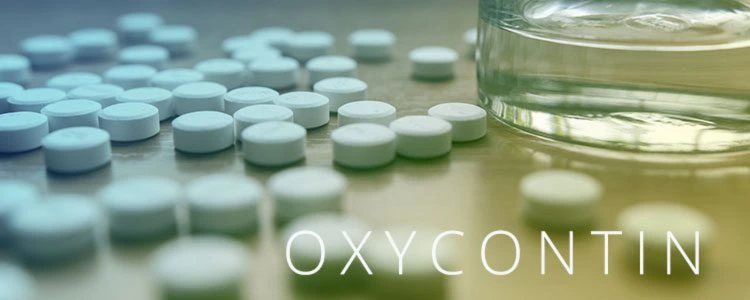
When people think of addictive drugs or substances, they tend to think of compounds that are found in shady alleyways or house parties. Even the word “drugs” conjures images of illicit substances and needles. However, some drugs can be obtained legally, in the clean white space of an office, and leave few overt traces of use. OxyContin, a member of the opiate family, is a painkiller that, if abused, can become just as addictive as any other opioid. Early recognition of OxyContin addiction signs is crucial because it means that OxyContin addiction treatment can be implemented more quickly. OxyContin may not be illegal, but it can be just as dangerous as its prohibited counterparts.
What Is OxyContin?
OxyContin is a legal painkiller that is often prescribed to treat severe pain from cancer, spinal injuries, or other health complications. Its active ingredient, oxycodone, is what’s responsible for OxyContin’s popularity as an abused drug. As with other opioids, oxycodone binds to receptor cells in the brain, resulting in an altered perception of pain signals and a feeling of euphoric well-being. If used according to a doctor’s directions, this is generally a safe method to relieve pain. However, if used recreationally, the drug is very dangerous, as an addiction to OxyContin can be life-threatening. Particular danger arises if OxyContin is mixed with alcohol, as this can induce unconsciousness or even death.
Warning Signs of Addiction
An OxyContin addict may start out as a genuine patient seeking pain relief and develop an addiction to OxyContin over time. Some symptoms of OxyContin addiction mirror those found in patients taking the pill for pain relief: increased drowsiness, difficulty paying attention, and incoherent or slurred speech. The pupils of the eyes may be dilated, and breathing may be slowed. An OxyContin addict may also suffer from constipation. No single symptom is a cause for alarm, but if several are noted concurrently, they could be OxyContin addiction signs.
How to Get Help
If you or someone you love is showing symptoms of OxyContin addiction or is an admitted OxyContin addict, OxyContin addiction treatment is the next step toward wellness and sobriety. BetterAddictionCare works with a nationwide network of alternative rehab programs with a special focus on customized, safe OxyContin addiction treatment. A medically supervised detox ensures a comfortable, clean break from addiction, and follow-up addiction counseling and a committed local recovery team provide support even after treatment ends. Look for an accredited facility with immediate inpatient admissions, professional and highly trained staff, and an individualized plan for recovery. For more information on how to start healing with addiction recovery centers near you, fill out our contact form or call today.