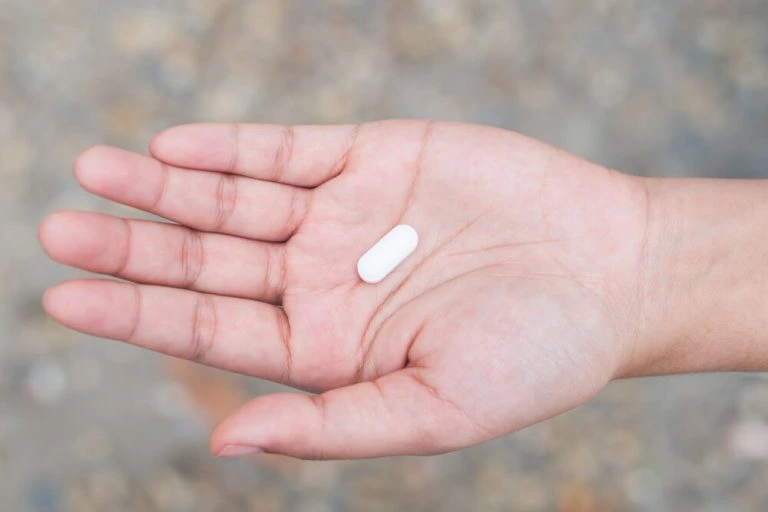
Can You Get Addicted to Percocet? Find Out More About Percocet Abuse
American’s problem with opioids stretches to every state, claiming thousands of lives each year. The Centers for Disease Control and Prevention released an alarming statistics: every day, another 115 people die on average from the abuse of drugs like Percocet. The dangers are clear, yet many people are still unsure whether Percocet is addictive. In this article, we will look at if you can you get addicted to Percocet and what the side effects of abuse are.
How Percocet Works
Percocet belongs to the class of drugs known as opioids. It is a synthetic opiate; hence the name opioid. Opiates are more natural versions of the substance, which includes heroin. Prescription opioids get their pain relieving qualities through the way they interact with the reward and pain centers in the brain. Pain from the nerves in the body becomes blocked while there is a flood of dopamine and serotonin – the body’s natural “feel-good” chemicals. When a person takes more than the recommended amount, they experience a rush of euphoria. This is both the reason why people abuse the drug as well as the reason it is physically addictive.
So, can you get addicted to Percocet? The answer is yes, it is one of the most highly addictive substances there is. This is because the body eventually adjusts to the constant Percocet use that leads to lowering its production of the feel-good chemicals, resulting in an imbalance in the brain’s chemistry when the drug isn’t taken. Addiction can form rapidly too; some people can become hooked on opioids such as Percocet in as little as a few days if they abuse it.
Percocet Addiction Signs
Now that we know the answer to the question “can you get addicted to Percocet?” we can look at what the Percocet addiction signs are so that you can be aware of it in yourself or someone you care about, especially since an addiction can not only cause havoc in a person’s life, but it can lead to an overdose and death.
- The person becomes psychologically dependent, resulting in drug-seeking behavior.
- When use of Percocet abuse suddenly stops, the person is met with withdrawal symptoms hours later.
- A tolerance to the drug forms. Tolerance causes a person to have to increase the amount of the drug they take because of reduced effectiveness.
- An addiction can cause the person harm physically and bring about negative psychological states, but knowledge of these facts doesn’t deter the abuse.
- The person feels a strong craving to have more of the drug as a part of both the withdrawal symptoms and a psychological dependence.
Percocet Addiction Treatment Options
Now that we have looked at the answer to “can you get addicted to Percocet?” the treatment options will be explored. The most common forms of Percocet addiction treatment options are inpatient, outpatient and a combination of the two known as partial hospitalization.
Both the inpatient and partial hospitalization programs provide a space within the facility to detox from opioids. This is done under professional supervision as well as various medications to help ease the withdrawal symptoms. Outpatient programs can also be assisted through detox with medications, but not all of the options are available to them since some may be abused.
Once the detox program has cleared the person of the drug for the most part, the addict will then be asked to go into behavioral therapy or alternative treatment, and often a mixture of both.
If you or a loved one is struggling with addiction, get help right away. Make a phone call that will connect you to a professional drug treatment center. The call you make may save your life or the life of someone you love. Call us today at 888-807-0464.