(866) 567-3138
Sponsored Helpline
Verify Insurance
For many people, Wellbutrin begins as a trusted prescription — a lifeline to lift the heavy fog of depression or to make quitting cigarettes finally seem possible.
Over time, though, what starts as a tool for recovery can become something they rely on to feel normal. A skipped dose brings exhaustion or irritability, and increasing the dose seems harmless when the medication once made them feel better.
 Expert Verified
Wellbutrin (bupropion) is a prescription antidepressant that affects the brain’s dopamine and norepinephrine systems but is not classified as a controlled substance under U.S. law.
While physical addiction is rare, misuse and abrupt discontinuation can cause psychological dependence and withdrawal-like symptoms.
With professional monitoring, Wellbutrin remains a safe, effective medication for depression and smoking cessation, and misuse can be reversed through early intervention.
Families often find themselves confused and worried. Their loved one isn’t using street drugs, yet they’ve changed — restless, anxious, or unusually preoccupied with their medication. Questions arise: Is this still treatment, or has it crossed a line? That uncertainty can create tension and guilt on both sides.
Wellbutrin (bupropion) is an atypical antidepressant prescribed to treat major depressive disorder, seasonal affective disorder, and to assist in smoking cessation under the brand Zyban.
It works by elevating dopamine and norepinephrine activity in the prefrontal cortex — the part of the brain that drives focus, motivation, and reward.
Because these same brain chemicals influence pleasure and reward, some users experience an energizing or mood-lifting effect that feels especially positive in the early stages of treatment.
Rising Tolerance: As the body adjusts, the same dose brings less relief. A quiet pattern of dose escalation can follow, signaling that tolerance has begun.
Growing Dependence: When skipping a dose leads to fatigue, irritability, or emotional flatness, the brain has grown accustomed to Wellbutrin’s support. Functioning starts to feel harder without it.
Crossing Into Addiction: Seeking that same lift again, some begin taking more or using it unsafely. This loss of control shifts dependence into addiction — a cycle of compulsive use that can cause agitation, insomnia, or even seizures if left untreated[1].
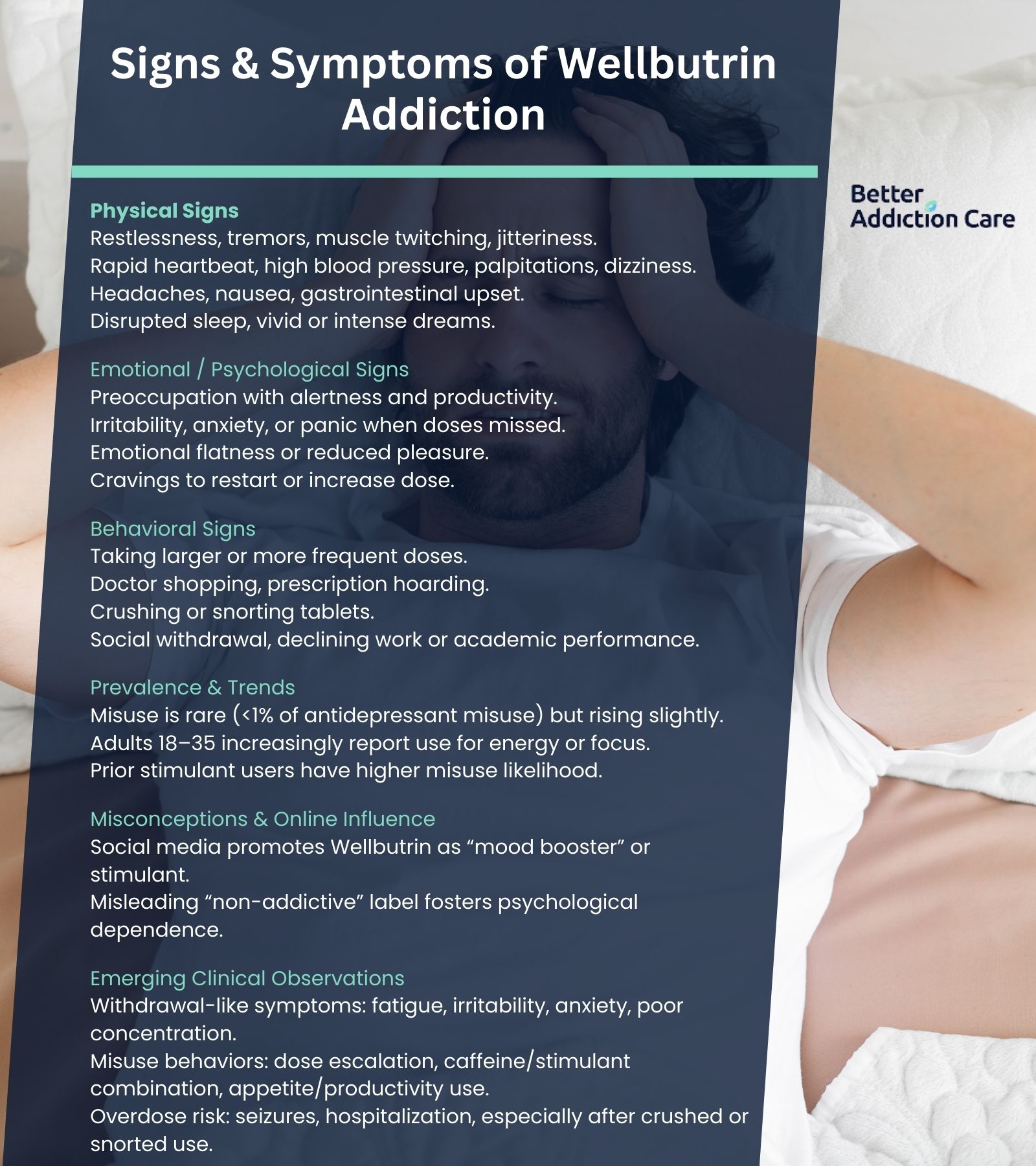
Recognizing the early warning signs can prevent Wellbutrin use from spiraling into dependence or addiction. These indicators often overlap with other stimulant-type medication misuse patterns.
Wellbutrin’s stimulating properties can trigger noticeable physical changes.
Restlessness or tremors: The drug’s energizing effects may cause muscle twitching, jitteriness, or an inability to stay still.
Rapid heartbeat and high blood pressure: Elevated norepinephrine levels increase heart rate and stress responses, sometimes leading to palpitations or dizziness.
Headaches, nausea, or gastrointestinal upset: These are common when doses are increased without medical guidance or when the drug is combined with caffeine or other stimulants.
Disrupted sleep or vivid dreams: Some users report insomnia or unusually intense dreams due to overstimulation of brain activity.
The emotional impact of Wellbutrin misuse can be as significant as the physical.
Preoccupation with the “energizing” effect: Individuals may fixate on how alert or motivated they feel, worrying that without the medication, they will lose productivity or emotional stability.
Irritability, anxiety, or panic when doses are missed: These reactions show the brain’s growing reliance on the medication to regulate mood and focus.
Emotional flatness or reduced pleasure: As dopamine systems adapt, normal experiences may feel dull or unrewarding without the drug.
Cravings to restart or increase the dose: When emotional comfort becomes tied to medication use, cravings often follow, leading to escalating misuse.
Behavioral changes often signal that control over medication use is slipping.
Taking larger or more frequent doses: Users may justify this as “adjusting” treatment, unaware that they’re reinforcing addictive patterns.
Doctor shopping or prescription hoarding: Seeking multiple prescribers or refills reflects growing dependency.
Crushing or snorting tablets: This accelerates the drug’s effects but dramatically raises seizure and overdose risk.
Social withdrawal or declining performance: Addiction often isolates individuals, straining work, academics, and relationships.
Bupropion misuse remains relatively rare, but documented cases have increased slightly in recent years due to online availability and misconceptions about its safety.
Prevalence and Misuse Trends
Low but notable misuse rates: According to U.S. poison control and toxicology data, bupropion accounts for less than 1% of all antidepressant-related misuse reports, confirming that its abuse is relatively rare but still clinically relevant[2].
Growing case reports: Between 2013 and 2022, clinicians observed a steady uptick in intentional bupropion overdoses and misuse, especially among adults aged 18–35. This group often reports using the drug for energy enhancement or focus, rather than depression management.
Individuals with prior experience using cocaine, amphetamines, or ADHD medication (like Adderall) show a higher likelihood of misusing Wellbutrin. These users sometimes perceive it as a “legal substitute” because it acts on similar dopamine pathways[2].
Misconceptions and Online Influence
Social media narratives: Forums and online spaces occasionally promote Wellbutrin as a “mood booster” or “non-addictive stimulant.” Such claims can be misleading, encouraging people to experiment with doses or methods of ingestion that are unsafe.
“Non-addictive” label confusion: While Wellbutrin is not physiologically addictive like opioids or benzodiazepines, it can cause psychological dependence due to its dopamine-enhancing mechanism. This means users may start craving the focus, motivation, or mood lift it provides.
Emerging Clinical Observations
Withdrawal-like reactions: Case studies have documented fatigue, irritability, anxiety, and poor concentration following sudden discontinuation—even among those using therapeutic doses[3].
Misuse patterns: Common misuse behaviors include dose escalation without medical guidance, combining with caffeine or stimulants, and using Wellbutrin for appetite control or productivity enhancement.
Overdose and hospitalization data: Emergency departments report occasional bupropion-related seizures, particularly after crushed or snorted use, underscoring its potential harm when misused.
Addiction is rarely about willpower—it’s a complex interaction between brain chemistry, emotional coping, and environment.
Wellbutrin is a norepinephrine-dopamine reuptake inhibitor (NDRI). It prevents these neurotransmitters from being reabsorbed, resulting in heightened energy, focus, and motivation.
When doses are too high or taken improperly, the dopamine reward pathway becomes overstimulated.
The brain adapts by reducing its natural dopamine response, causing users to seek higher doses for the same feeling of alertness or control. This adaptation creates the groundwork for dependence[4].
Addiction vulnerability can be inherited. Studies estimate that 40–60% of addiction risk is linked to genetic factors[3].
People with family histories of substance use disorders or differences in dopamine receptor sensitivity may find stimulant-like medications more rewarding.
Co-occurring mental health conditions—such as depression, ADHD, or PTSD—can amplify the risk, especially when medications are adjusted without professional input.
Many cases of Wellbutrin misuse begin with self-medication. Individuals may take extra doses to manage stress, fight fatigue, or regain emotional clarity.
This creates a short-term relief cycle: the person feels better temporarily, reinforcing the behavior, but the long-term chemical imbalance worsens emotional instability.
Over time, the brain associates Wellbutrin use with relief, reinforcing dependence patterns even without conscious intent.
Accessibility and misunderstanding contribute to misuse. Wellbutrin is widely prescribed and often viewed as “safe”, leading some users to underestimate its potential for harm.
Online communities sometimes promote it as a “mild stimulant,” encouraging risky behaviors like crushing or snorting tablets.
Social isolation, limited emotional support, or high-pressure environments also raise the likelihood of self-medicating behaviors, particularly among students or professionals seeking performance enhancement.
While most people use Wellbutrin safely under supervision, certain biological and psychological traits increase susceptibility to dependence. Certain groups are more vulnerable to misusing Wellbutrin or developing dependence patterns:
People with a history of stimulant or substance use: Individuals recovering from cocaine, Adderall, or methamphetamine misuse may view Wellbutrin as a “safer substitute,” yet it stimulates similar brain reward circuits, increasing relapse risk.
Those with untreated mental health conditions: People with anxiety, ADHD, or unresolved depression may self-adjust doses for faster relief, unintentionally creating tolerance and emotional reliance.
High-dose or mixed-formulation users: Doses above 450 mg per day or combining sustained-release (SR) and extended-release (XL) versions elevate seizure potential and reinforce the drug’s stimulating effects.
College-age adults or professionals seeking performance boosts: Wellbutrin misuse sometimes occurs among students or workers trying to enhance focus or energy, unaware of the risks of dependency.
Individuals under chronic stress or isolation: Emotional exhaustion, loneliness, or burnout can make medication-based coping feel like control—until it quietly becomes dependence.
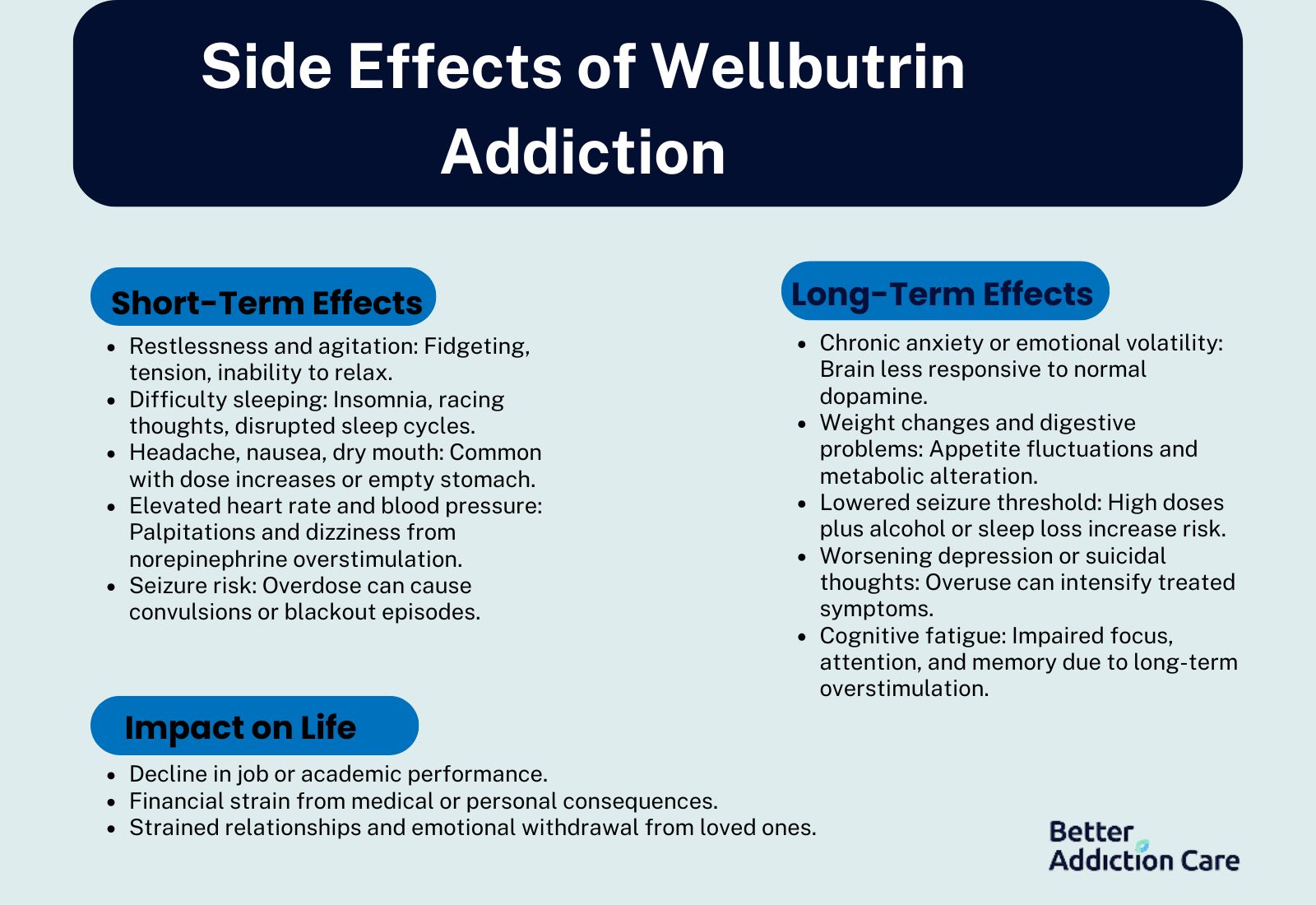
The side effects of Wellbutrin misuse vary by duration and intensity of use. Initially, they may seem mild or manageable, but prolonged misuse strains both the nervous and cardiovascular systems.
Restlessness and agitation: Overstimulation of the central nervous system leads to fidgeting, tension, or an inability to relax.
Difficulty sleeping: Many users experience insomnia, racing thoughts, or disrupted sleep cycles.
Headache, nausea, or dry mouth: Common during dose increases or when taken on an empty stomach.
Elevated heart rate and blood pressure: A direct result of norepinephrine overstimulation, which can lead to palpitations or dizziness.
Seizure risk: Taking more than the prescribed dose can overwhelm the nervous system, causing convulsions or blackout episodes.
With prolonged misuse, the physical and emotional toll deepens.
Chronic anxiety or emotional volatility: The brain becomes less responsive to normal dopamine levels, leading to mood instability.
Weight changes and digestive problems: Appetite fluctuations are common due to altered metabolic activity.
Lowered seizure threshold: Each high dose increases the risk of seizures, especially when combined with alcohol or sleep deprivation.
Worsening depression or suicidal ideation: Paradoxically, overuse can intensify the very symptoms Wellbutrin is meant to treat.
Cognitive fatigue: Long-term overstimulation can impair focus, attention, and memory.
Impact on Life: Ongoing misuse can lead to job or academic decline, financial strain, strained relationships, and emotional withdrawal from loved ones.
1. Detox and Withdrawal Management
Stopping Wellbutrin suddenly can trigger mood crashes, sleep disruption, or irritability as dopamine and norepinephrine levels rebalance. Safe detox focuses on gradual stabilization.
Gradual tapering: Physicians typically recommend a slow dose reduction over several weeks to prevent mood destabilization and withdrawal-like symptoms.
Short-term symptom relief: Temporary medications may be prescribed to ease anxiety, sleep issues, or headaches during tapering.
Medical supervision: Clinical monitoring is critical, especially for those with a seizure history or who’ve combined Wellbutrin with other stimulants.
Emotional stabilization: Many patients benefit from integrating supportive counseling during this phase to manage fear, guilt, or relapse anxiety.
2. Medication-Assisted & Psychological Therapies
There are no FDA-approved medications specifically for Wellbutrin addiction, but several therapies address the underlying psychological mechanisms of misuse.
Cognitive Behavioral Therapy (CBT): Focuses on identifying thought patterns (“I can’t function without Wellbutrin”) and replacing them with healthier coping mechanisms. CBT also helps reduce relapse triggers like fatigue, stress, or productivity pressure.
Motivational Interviewing (MI): Encourages patients to find personal motivation for recovery—vital for those who feel dependent on Wellbutrin’s energy-boosting effects.
Family Therapy: Involves loved ones to rebuild trust, improve communication, and reduce guilt or blame cycles that often accompany medication misuse.
Behavioral Activation (BA): Often used alongside CBT, this technique promotes engagement in rewarding daily activities to rebuild natural dopamine balance.
3. Levels of Care
The appropriate level of care depends on severity, duration, and co-occurring conditions such as depression, anxiety, or trauma.
Outpatient or Intensive Outpatient Programs (IOP): Suitable for mild misuse or emotional dependence. Typically includes 2–4 therapy sessions per week, focusing on coping skills and relapse prevention.
Partial Hospitalization (PHP): Offers structured daytime treatment while allowing patients to return home at night. This level is effective for moderate misuse cases or those transitioning from inpatient care.
Residential / Inpatient Programs (30–90 days): Provide round-the-clock supervision, medication oversight, and peer support—best for individuals with long-term misuse or complex emotional triggers.
Dual-Diagnosis Treatment: Designed for people managing both substance use and mental health conditions. This integrated care model addresses underlying depression or trauma, ensuring relapse prevention through holistic recovery.
4. Peer & Holistic Supports
Recovery extends beyond the clinical setting. Ongoing peer and lifestyle support helps sustain long-term stability.
Support groups: Programs such as SMART Recovery, Depression and Bipolar Support Alliance (DBSA), or local mental health groups offer a safe, stigma-free environment to share struggles and successes.
Mind-body balance: Practices like mindfulness meditation, yoga, or journaling reduce anxiety and regulate stress hormones, which can otherwise trigger cravings or emotional crashes.
Healthy routines: Balanced sleep, exercise, and nutrition restore natural dopamine regulation, improving mood and focus without relying on medication.
Community engagement: Volunteering, creative hobbies, and consistent social interaction can re-establish a sense of purpose—critical for preventing relapse.
The process of discontinuing Wellbutrin can vary from person to person, depending on how long it was used, the daily dose, and overall mental health stability.
While Wellbutrin doesn’t typically cause physical withdrawal like opioids or benzodiazepines, it can still trigger emotional and neurological adjustment symptoms as the brain rebalances dopamine and norepinephrine levels.
The first few days after tapering or stopping Wellbutrin often bring fatigue, headaches, irritability, and poor concentration.
Some people also experience vivid dreams or temporary sleep disruption as the brain adjusts to lower dopamine activity.
These effects usually peak within the first week and begin to settle as the body stabilizes its natural neurotransmitter rhythm.
During the next few weeks, mood and energy levels may fluctuate unpredictably.
It’s common to notice mood swings, anxiety, or periods of low motivation, along with sleep difficulties and increased appetite.
These symptoms don’t indicate addiction relapse—they’re part of the brain’s healing process. Structured daily routines, therapy, and support from loved ones are especially important during this stage.
By the second or third month, most people notice a gradual return of emotional balance and clearer concentration.
Cravings to restart the medication fade, and motivation improves as the body’s natural neurotransmitter systems regain equilibrium.
Continued counseling, healthy sleep, and regular exercise help reinforce recovery and prevent relapse[2].
If Wellbutrin use or withdrawal leads to severe physical or psychological changes, seek emergency help right away by calling 911 (U.S.) or Poison Help at 1-800-222-1222. Timely medical attention can prevent long-term harm or fatal complications.
Seizures or sudden loss of consciousness: High doses or abrupt misuse can lower the brain’s seizure threshold. Any loss of awareness, muscle jerking, or convulsions requires immediate emergency care.
Severe agitation, hallucinations, or confusion: These may signal toxicity or overdose. The individual may appear paranoid, restless, or disoriented—symptoms that demand urgent evaluation.
Suicidal thoughts or self-harm behavior: Emotional instability can intensify during medication changes. Never ignore statements about self-harm—call emergency services or a crisis helpline immediately.
Signs of overdose: Rapid heartbeat, uncontrollable shaking, vomiting, extreme restlessness, or blue-tinged lips and fingertips indicate oxygen deprivation and potential cardiac distress.
Acting quickly in any of these situations can prevent neurological injury and significantly improve recovery outcomes.
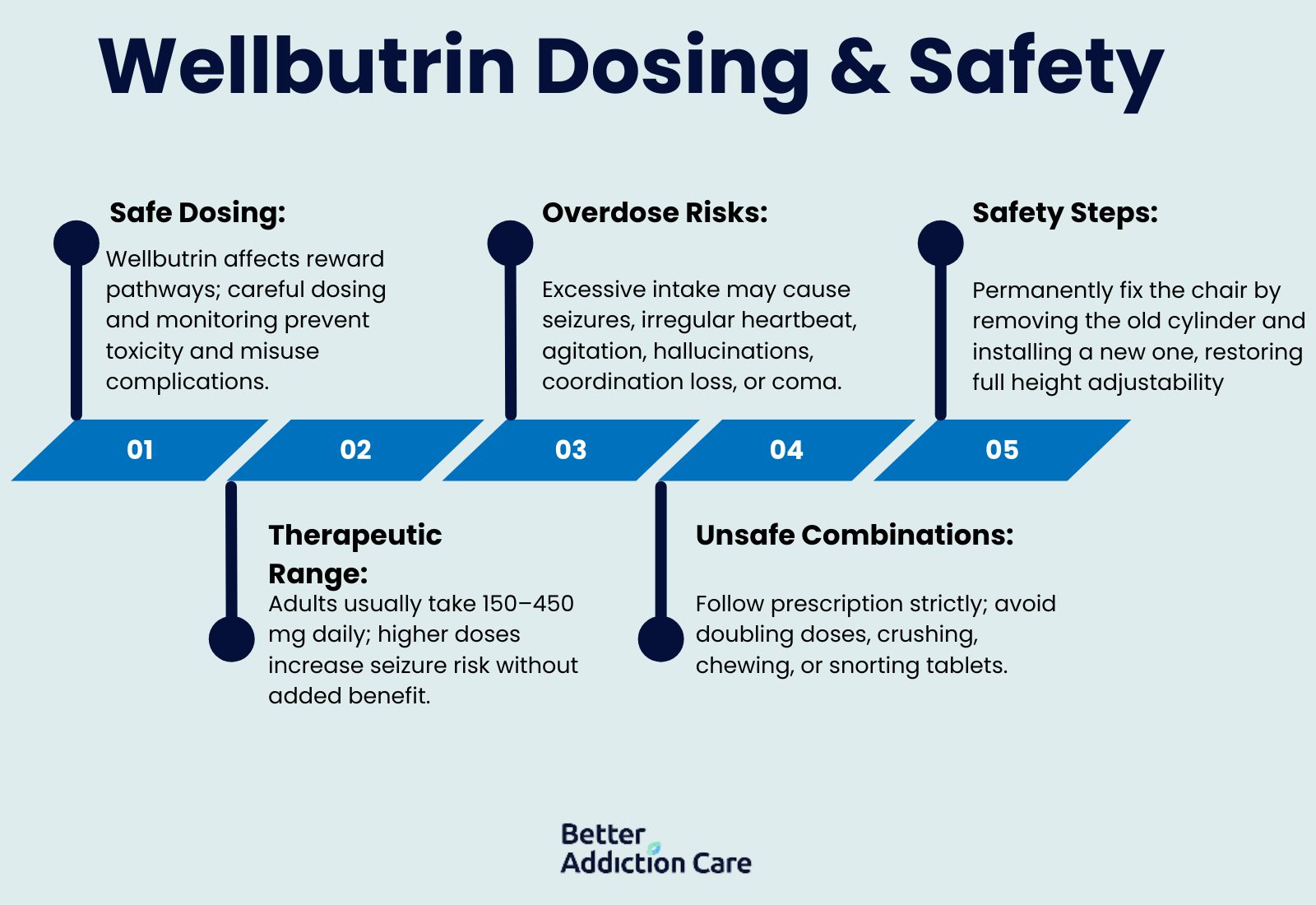
Because Wellbutrin affects brain chemicals linked to reward and stimulation, safe dosing and monitoring are essential. Misuse or dose escalation without medical oversight increases the risk of toxicity.
Therapeutic Range: Most adults take between 150–450 mg per day, depending on the specific formulation (SR or XL). Doses above this range do not increase effectiveness and greatly heighten seizure risk.
Overdose Risks: Ingesting excessive amounts can cause seizures, irregular heartbeat, severe agitation, hallucinations, and loss of coordination. Severe cases may lead to respiratory distress or coma.
Unsafe Combinations: Mixing Wellbutrin with alcohol, monoamine oxidase inhibitors (MAOIs), stimulants, or other antidepressants can trigger dangerous interactions—raising blood pressure, worsening mood swings, or provoking seizures.
Safety Steps:
Take the medication only as prescribed—never double a missed dose.
Do not crush, chew, or snort Wellbutrin tablets; doing so releases the full dose at once, risking overdose.
Store securely, especially away from children or anyone with a history of substance misuse.
Dispose of unused pills through authorized take-back programs or pharmacies to prevent accidental ingestion or misuse[3].
Recovering from Wellbutrin misuse or dependence is completely achievable with early awareness, professional support, and consistent follow-up care. Many people who once struggled with misuse regain emotional stability and confidence through structured treatment and compassionate guidance.
Next Steps:
Seek a professional evaluation: Never change your dose without medical input; safe tapering prevents setbacks.
Engage in therapy and peer support: Combine counseling with recovery groups to rebuild balance and accountability.
Rebuild healthy habits: Prioritize sleep, exercise, and nutrition to restore natural dopamine balance and mental clarity.
With patience and professional care, the brain can heal, motivation returns, and life beyond dependence becomes not only possible—but sustainable.
When used as directed, Wellbutrin rarely causes physical addiction because it doesn’t produce the same euphoric high as opioids or stimulants. However, people can still develop emotional or behavioral dependence if they begin relying on it to feel motivated or happy. Increasing doses on your own can lead to tolerance, mood instability, and possible misuse. Medical monitoring helps keep treatment both safe and effective.
Abruptly stopping Wellbutrin can disrupt brain chemicals that regulate mood and energy. Many people experience fatigue, irritability, mood swings, or anxiety in the first few days after stopping. These symptoms can be unsettling but are usually temporary. Doctors often recommend gradual tapering to help your brain adjust smoothly and reduce emotional distress. Never discontinue antidepressants without consulting your healthcare provider.
Yes. Some individuals misuse Wellbutrin in high doses or by crushing and snorting tablets to feel alert or euphoric. This behavior is dangerous and can cause seizures, hallucinations, or erratic mood changes. The drug’s dopamine-boosting action gives it mild stimulant properties, which is why misuse can feel initially energizing—but it quickly turns harmful. Safe, supervised use avoids these life-threatening complications.
In most cases, Wellbutrin is well-tolerated and effective for depression and smoking cessation, especially because it has a lower risk of sexual side effects or sedation. However, its stimulant-like qualities mean it can be riskier for people with a history of addiction or seizure disorders. Following your doctor’s instructions and avoiding alcohol or stimulants helps maintain safety. Any dose change should be reviewed medically.
Family members play a crucial role in early intervention. Approach your loved one with calm concern, not confrontation, and express that help—not judgment—is available. Encourage a medical assessment or behavioral health consultation to explore safe tapering and therapy options. Joining family support groups, learning about medication misuse, and maintaining open communication all strengthen long-term recovery and rebuild trust within the home.
If you feel Wellbutrin has lost effectiveness, don’t adjust your dosage on your own. Sometimes the body adapts, requiring professional reevaluation. Your prescriber may suggest a dosage adjustment, combination therapy, or switching antidepressants to restore results safely. Self-increasing doses raise the risk of side effects or seizures. Ongoing therapy, lifestyle changes, and consistent follow-ups help sustain long-term mental health progress.
By calling us, you agree to our Terms & Conditions
For those seeking addiction treatment for themselves or a loved one, our calls are confidential and are available for 24/7 help.
Any treatment center receiving calls from the site is a paid advertiser.
Calls to numbers on a specific treatment center listing will be routed to that treatment center.
Calls to any general helpline will be answered by treatment providers, each of which is a paid advertiser.
By calling the helpline you agree to the terms of use. These calls are offered at no cost to you and with no obligation to enter into treatment. Neither this site nor anyone who answers the call receives a commission or fee dependent upon which treatment provider a visitor may ultimately choose.
If you wish to explore additional treatment options or connect with a specific rehab center, you can: browse top-rated listings, visit our homepage, or visit SAMHSA, or by calling 800-662-HELP. You may also contact The Florida Department of Children and Family Services