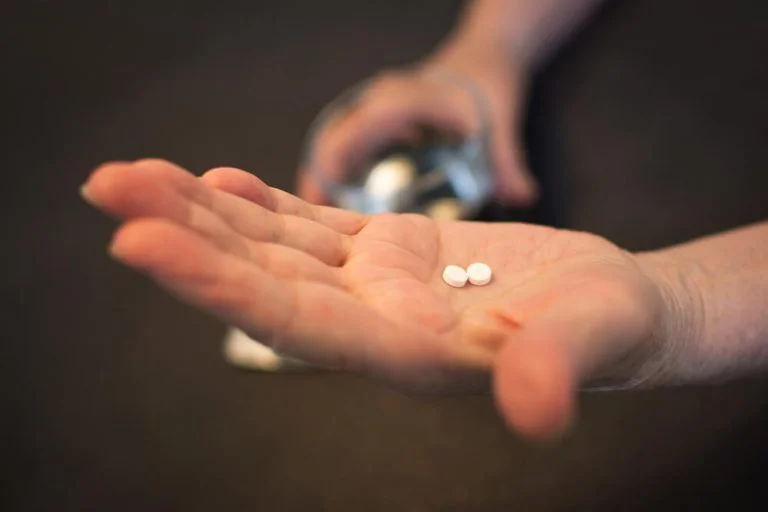
Exploring Suboxone for Addiction Treatment
Suboxone has been heralded as the “blockbuster” medication in the opioid crisis. Medically, it has excellent properties that make it ideal for opioid abuse treatment, but it comes at a cost: since it is also an opioid, there is still an abuse risk. However, Suboxone for addiction treatment still gets positive results when other approaches to treatment fail.
In this article, we will discuss the Suboxone for addiction treatment and examine some of the dangers associated with its use.
How Effective is Suboxone for Addiction Treatment?
A 2011 study aimed to discover the effectiveness of Suboxone for addiction treatment. Their findings showed that 49 percent of the 600 study participants stopped their abuse of prescription pain killers by making use of Suboxone. After the 12-week treatment period, the number of people that were helped by the drug lowered by 8.6 percent after the Suboxone prescription was discontinued. These statistics suggest that it is one of the effective medications for the treatment of opioid use disorder.
Suboxone Side Effects
Using an opioid to treat opioid dependence seems pointless. However, for some addicts, it’s the difference between going into a rehab center for their medication and finding themselves in dark alleyways injecting heroin with strangers and risking overdose. Since the amount given is controlled, the user isn’t able to properly abuse it as they would other prescription opioids or heroin.
While it has clear medical uses, Suboxone side effects are still possible. They include the following:
- Headaches
- Sweating
- Vomiting and nausea
- Numbness in the mouth
- Dizziness
- Fainting
- Insomnia
- Constipation
- Blurred vision
- Drowsiness
- Tongue pain
- Irregular heart rhythm
If you have had some of these side effects from taking Suboxone medically, then speak to your doctor so that the appropriate changes can be made.
Signs of Suboxone Abuse
In extreme cases of Suboxone abuse, overdose and death is possible – as with all opioids. Stopping abuse before it reaches such a point is crucial, but how do you know if you or someone you care about is abusing the drug?
The following are common signs that Suboxone abuse is occurring:
- Unpredictable and erratic moods swings
- Fever
- Pain in the muscles
- Nausea and vomiting
- Insomnia
- Headaches
- Cravings
- Tolerance
- Respiratory depression
Opioid Addiction Treatment
Opioids are a class of drug with highly addictive properties. This is due to the effect it has on the brain, ultimately causing structural changes to occur. Once this has happened, then the best way to deal with the problem becomes opioid addiction treatment at a rehab center.
For most serious addictions, a combination of behavioral therapy and counseling combined with opioid replacement therapy achieves the best results. Behavioral therapy and counseling is essential when using opioid replacement therapy as it improves the effectiveness of the entire process. By itself, opioid replacement therapy is not that effective as it just replaces one opioid for another.
The idea behind replacement therapy is to replace the current opioid being abused with a medication such as Suboxone, which is a combination of buprenorphine (a well-known medication for opioid abuse) and naloxone (used to block opioid effects in the brain). Doses are higher at first and then reduced as time goes by as a way to wean the addict off the substance at a pace that doesn’t cause the full effects of opioid withdrawal. With lowered cravings and withdrawal symptoms, many people find it easier to abstain from drug abuse.
If you or a loved one is struggling with addiction, get help right away. Make a phone call that will connect you to a professional drug treatment center. The call you make may save your life or the life of someone you love. Call us today at 888-807-0464.