(866) 567-3138
Sponsored Helpline
Verify Insurance
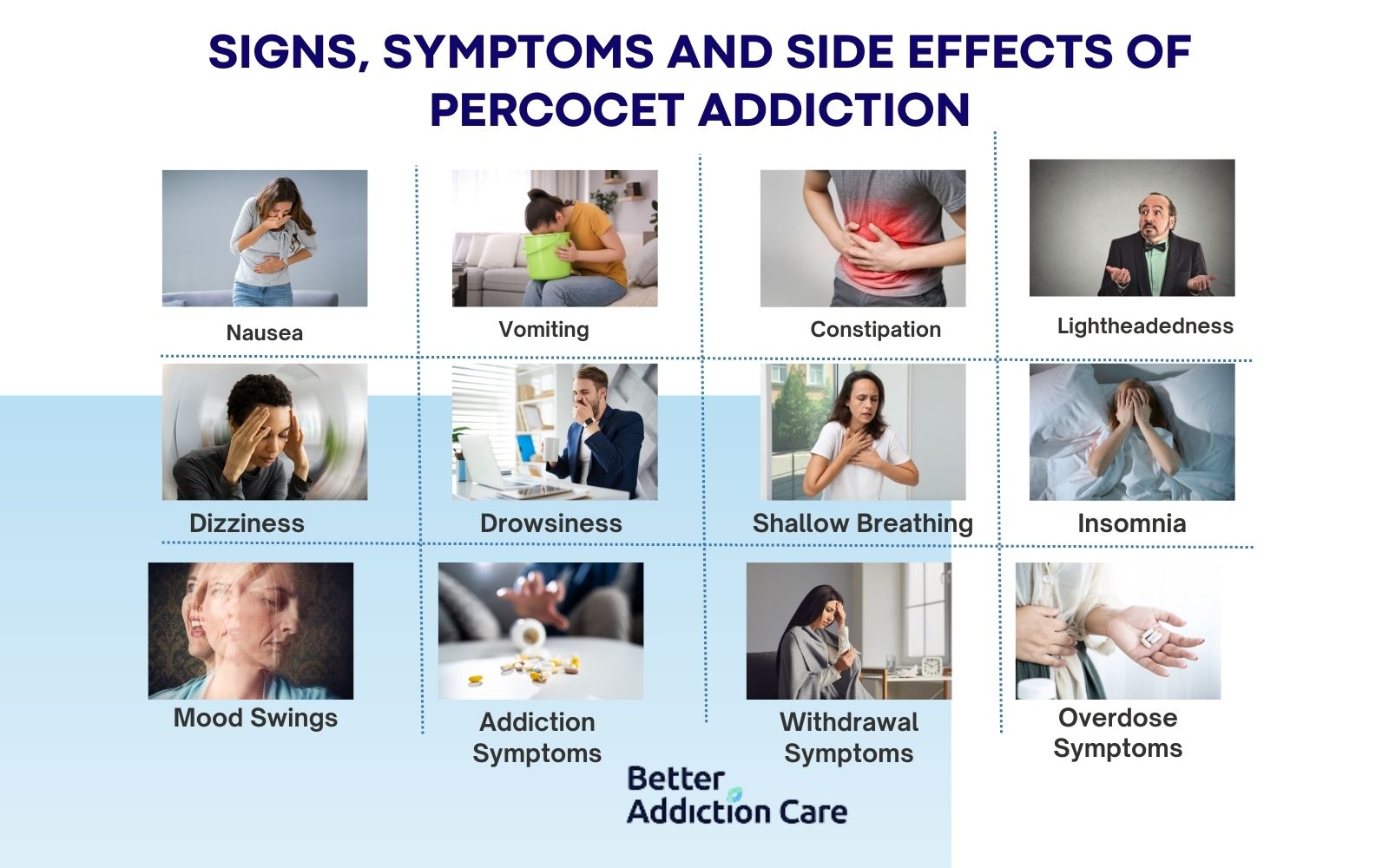
Percocet addiction is the reliance on a prescription pain medication, that is a combination of oxycodone and acetaminophen. Percocet is prescribed for moderate to severe pain relief and it poses a high addiction risk, particularly when used in larger doses or outside prescribed guidelines.
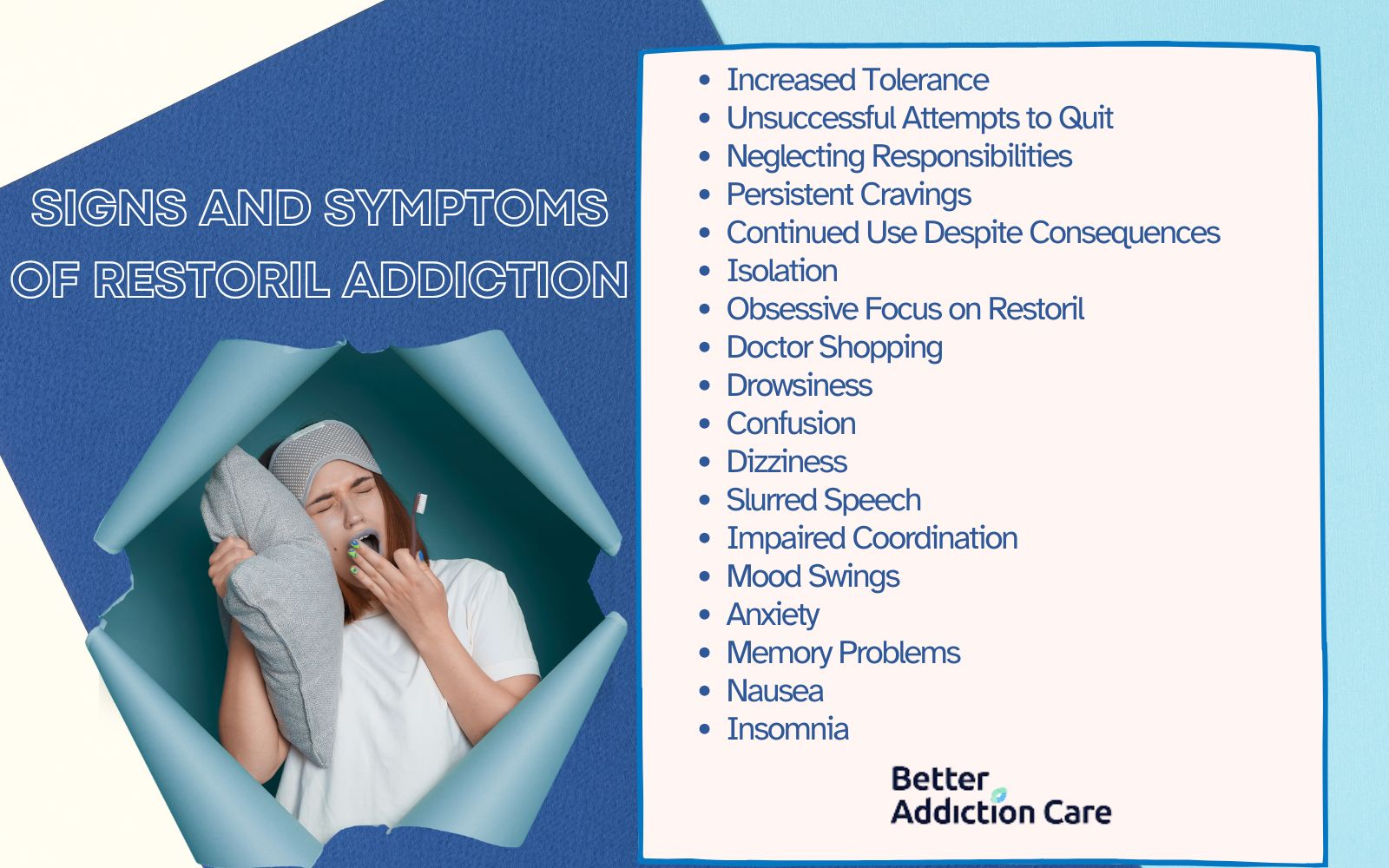
Restoril, or temazepam, refers to a benzodiazepine prescribed for short-term treatment of insomnia. According to the National Institute on Drug Abuse (NIDA), benzodiazepines like Restoril are effective for short-term use but carry significant risks of dependence when used beyond the prescribed duration.
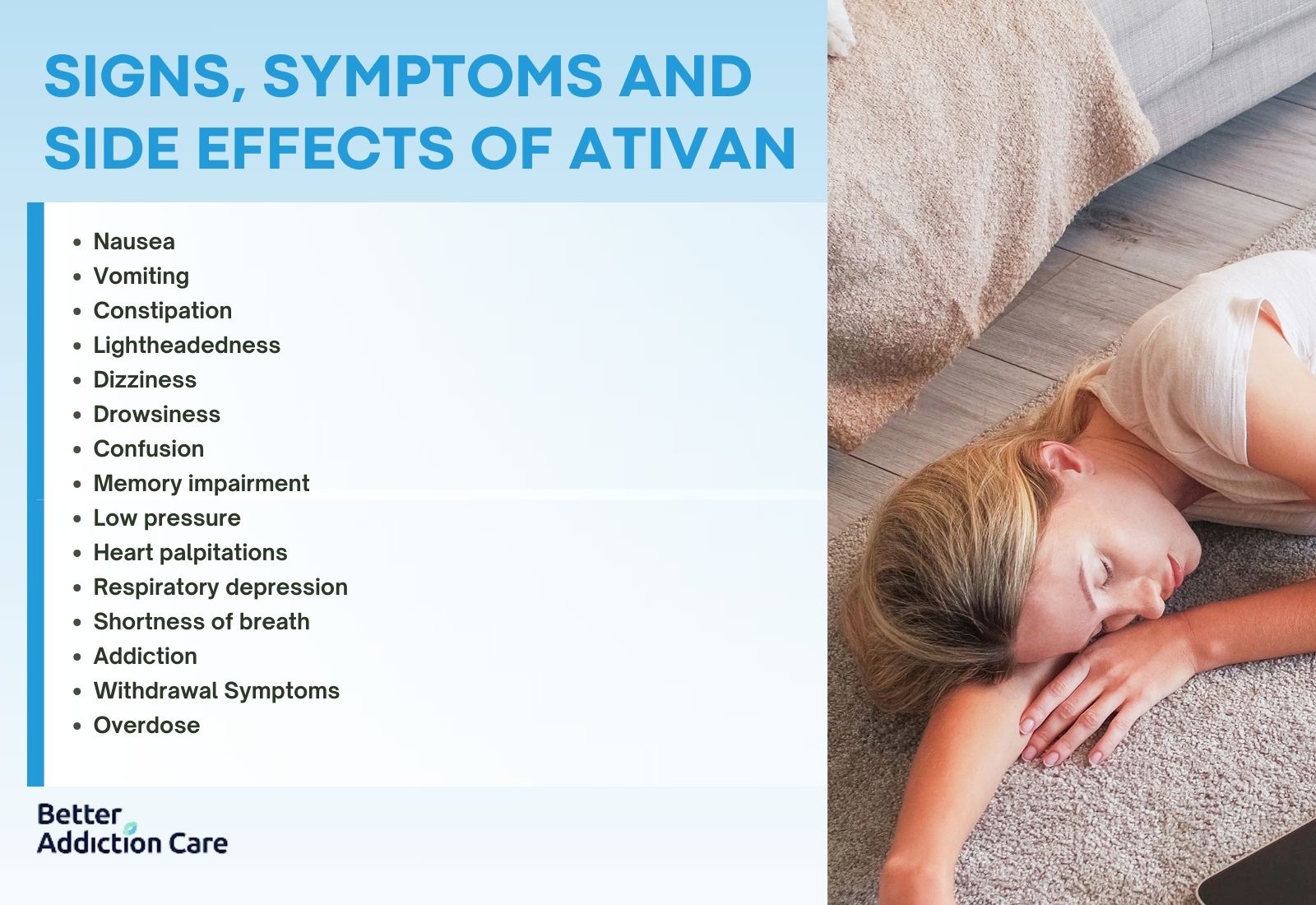
Ativan addiction refers to a condition characterized by physical and psychological dependence on the benzodiazepine drug lorazepam, commonly prescribed for anxiety and sleep disorders., benzodiazepine addiction affects millions, with Ativan being one of the most frequently abused medications due to its calming effects, according to the National Institute on Drug Abuse, 2021.
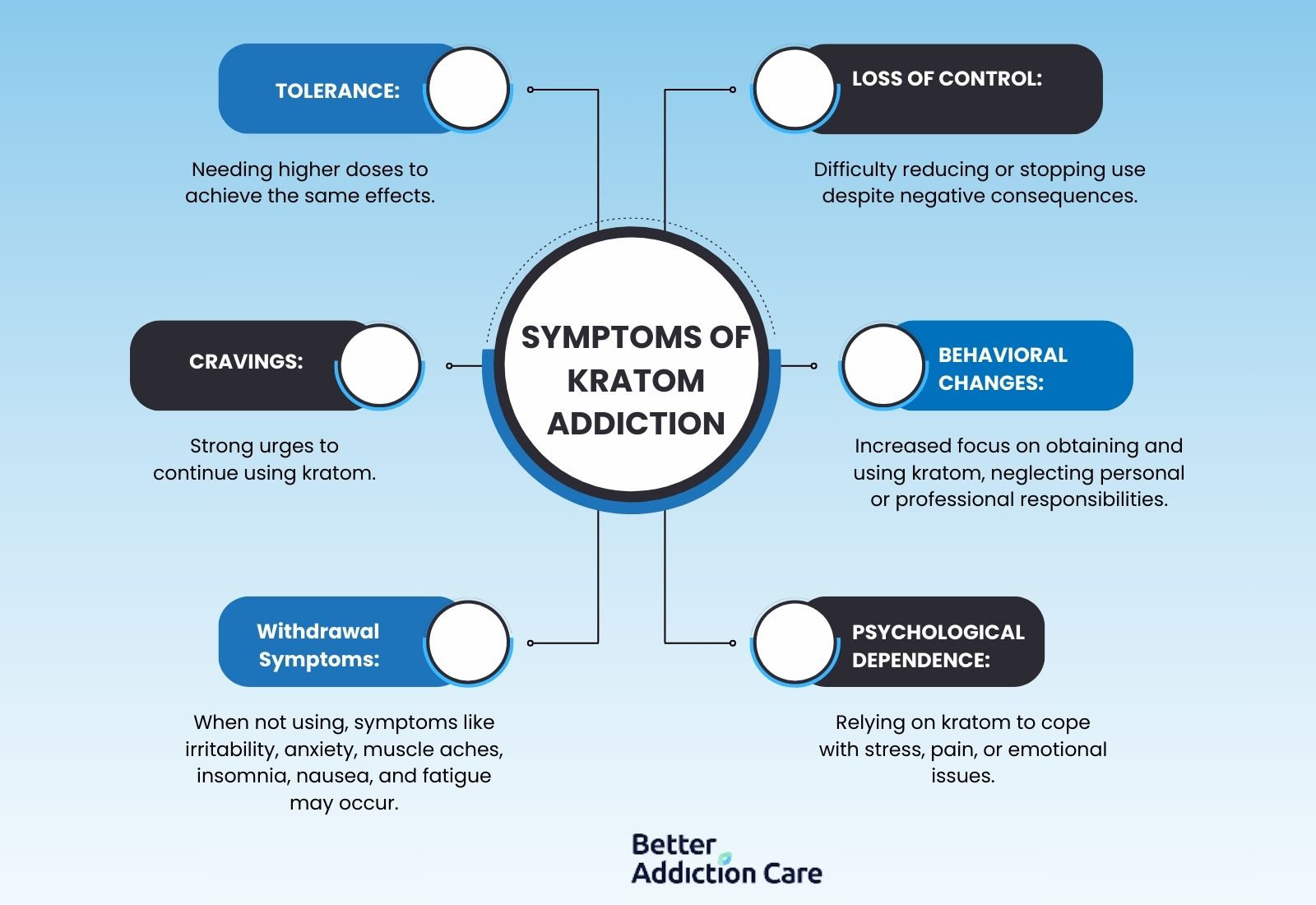
Kratom addiction develops when frequent use of the substance leads to a physical and psychological dependence, causing the user to experience cravings and withdrawal symptoms similar to those associated with opioids.
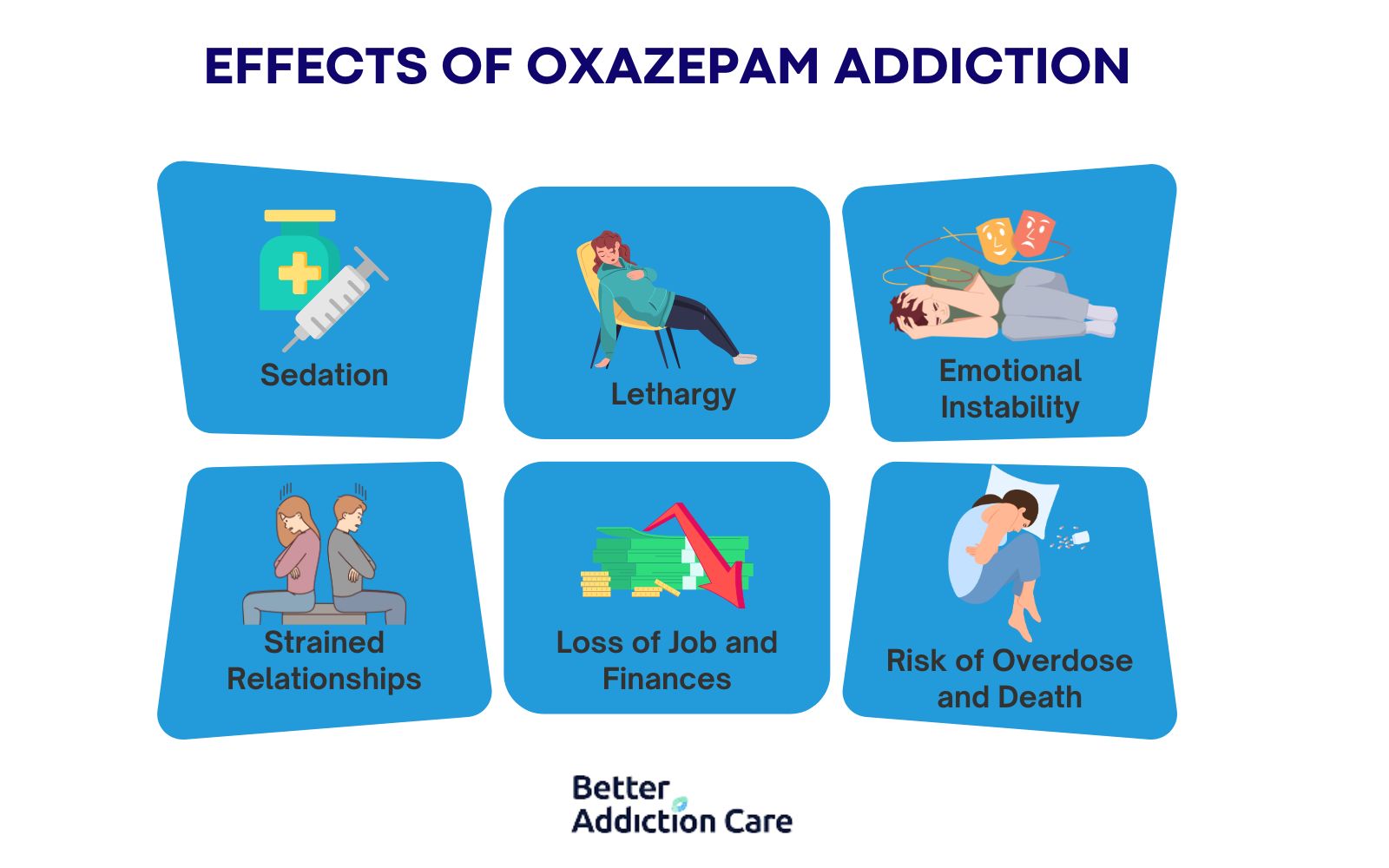
Oxazepam addiction is a dependency on the sedative drug oxazepam, typically prescribed for anxiety or insomnia. Oxazepam addiction develops when users rely on the drug’s calming effects over time.The key symptoms of oxazepam addiction include an intense craving for the drug, an increased tolerance leading to higher doses, and withdrawal symptoms like grumpiness or anxiety when not using it.
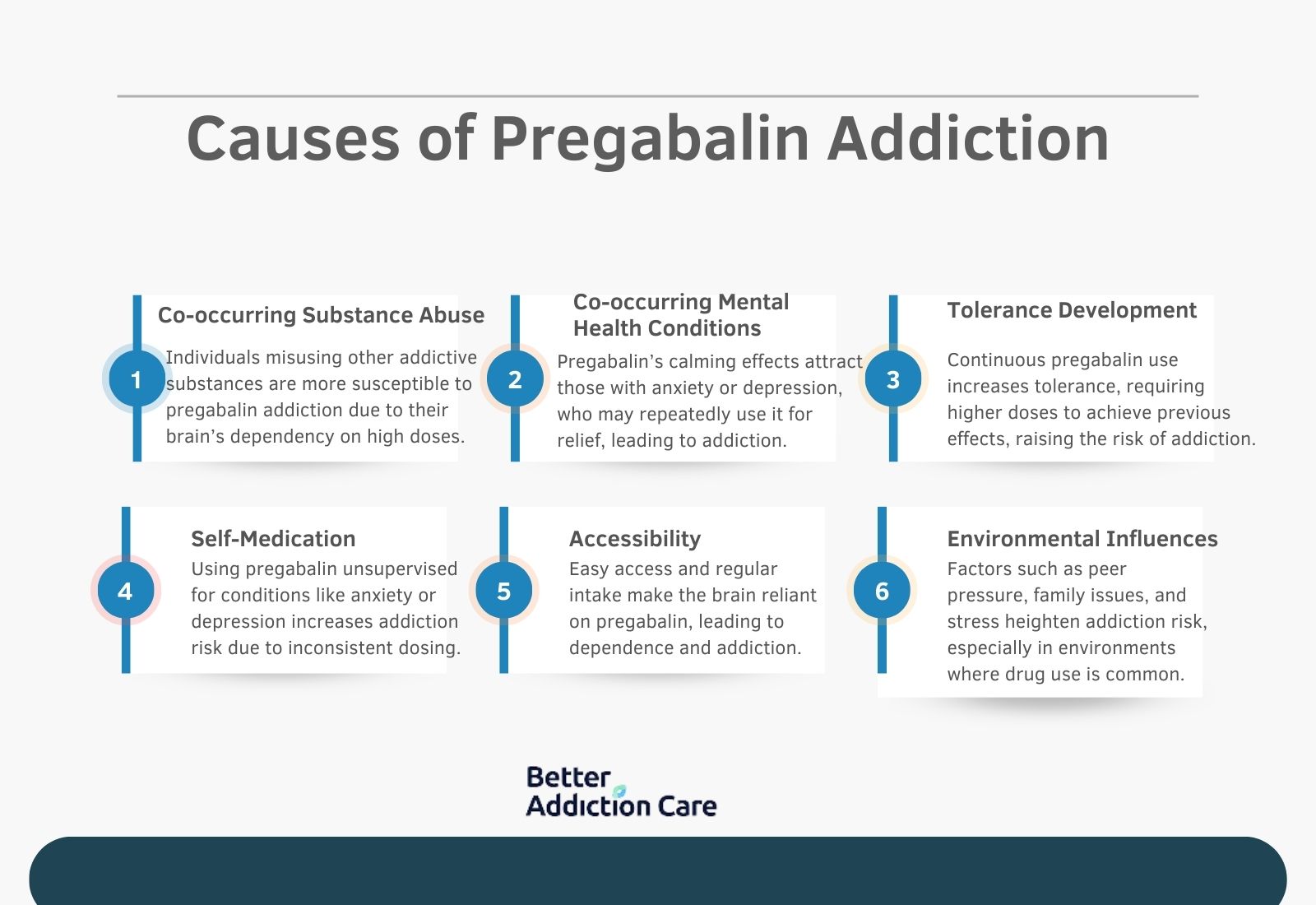
Pregabalin addiction is a state of an uncontrollable urge to use pregabalin for relief or recreational purposes. Pregabalin is a medicinal drug prescribed for the treatment of epilepsy and anxiety disorders.
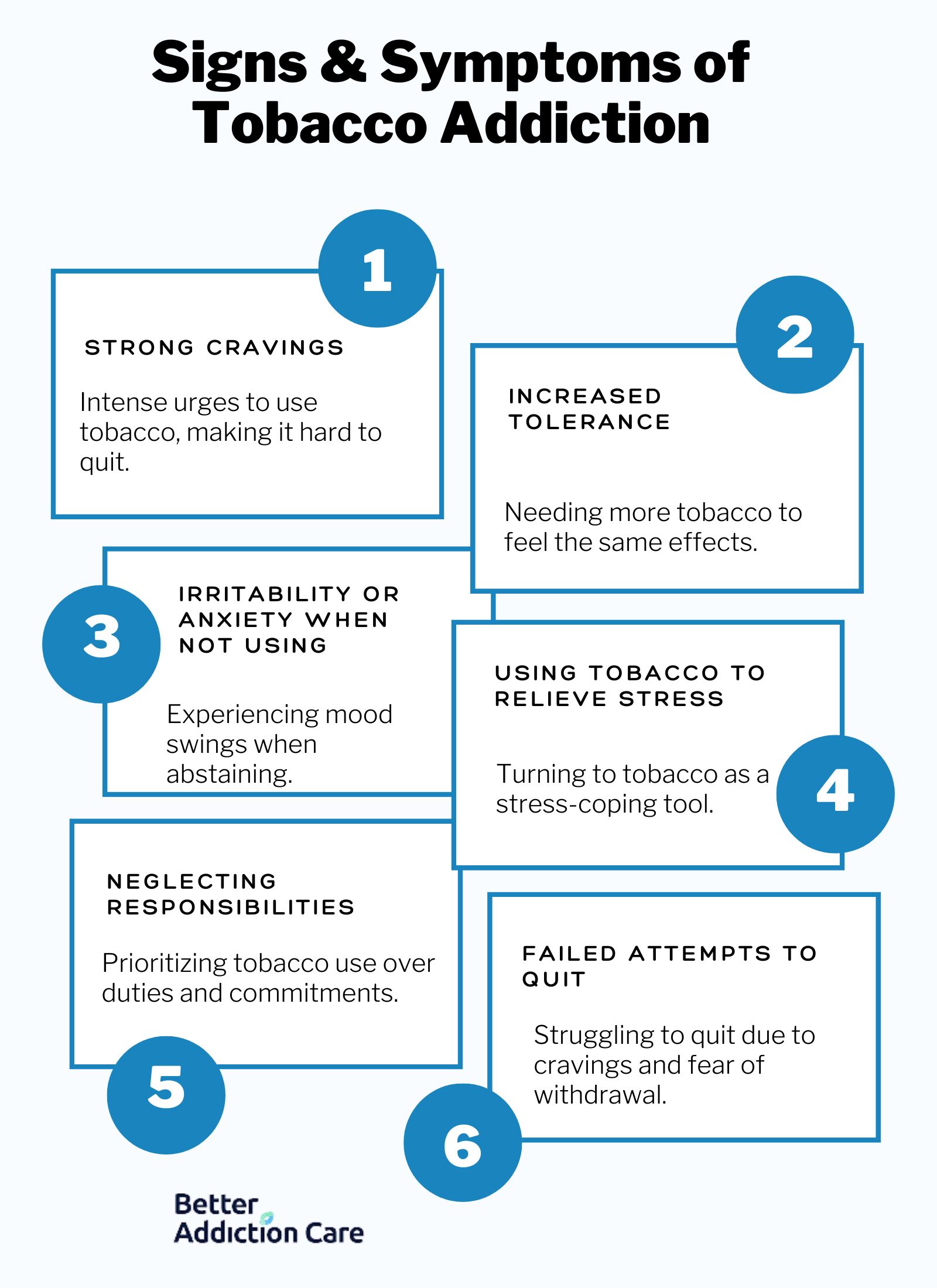
Tobacco addiction, or nicotine addiction or dependence, is a chronic condition where individuals have the compulsive need to use tobacco products despite the harmful effects and continuous efforts to stop.
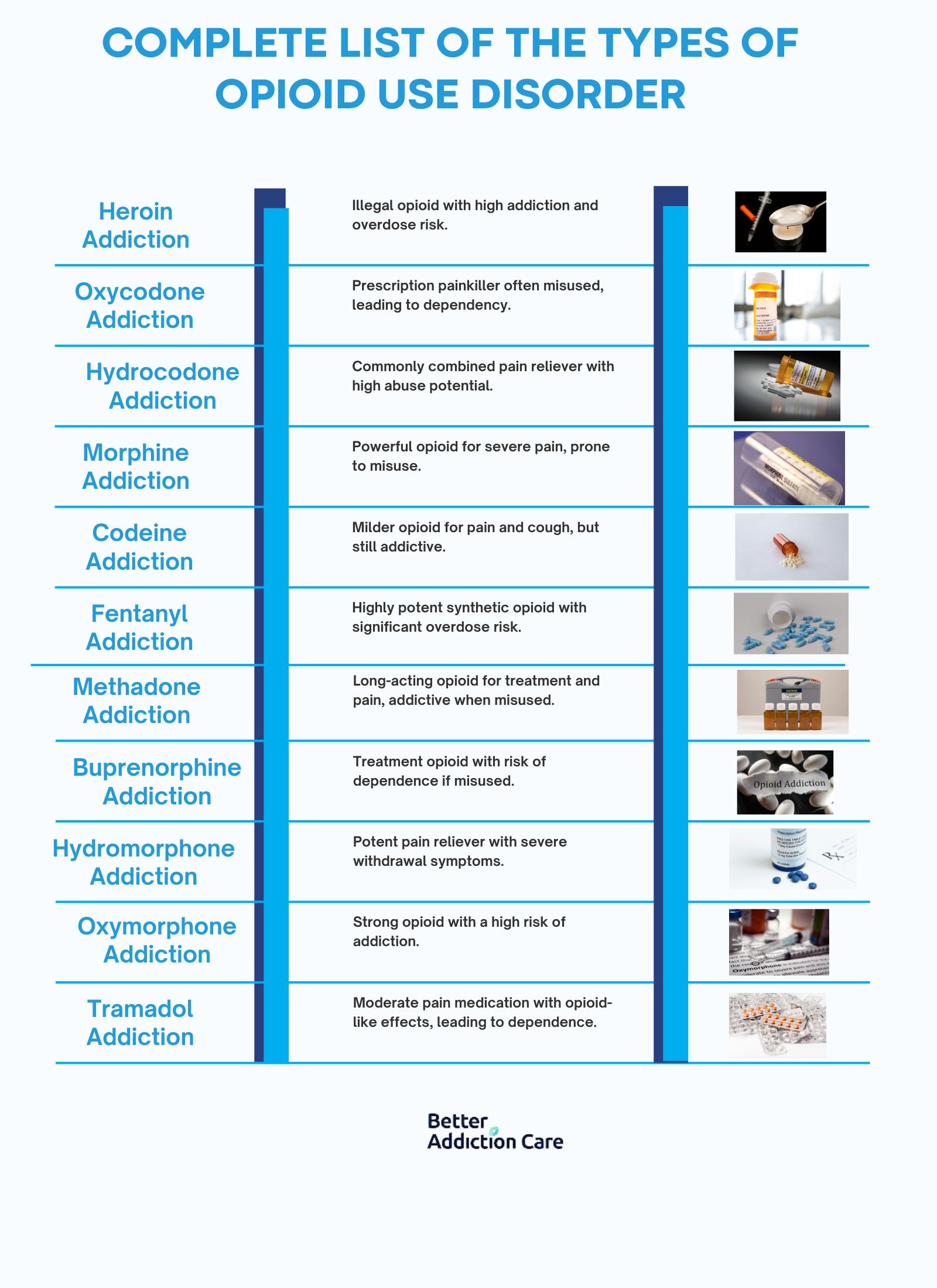
Opioid use disorder (OUD), or opioid addiction, is the problematic pattern of opioid use leading to major issues and psychological distress in lives. Opioid use disorder usually begins with prescribed opioid medications or illicit drugs, such as heroin.
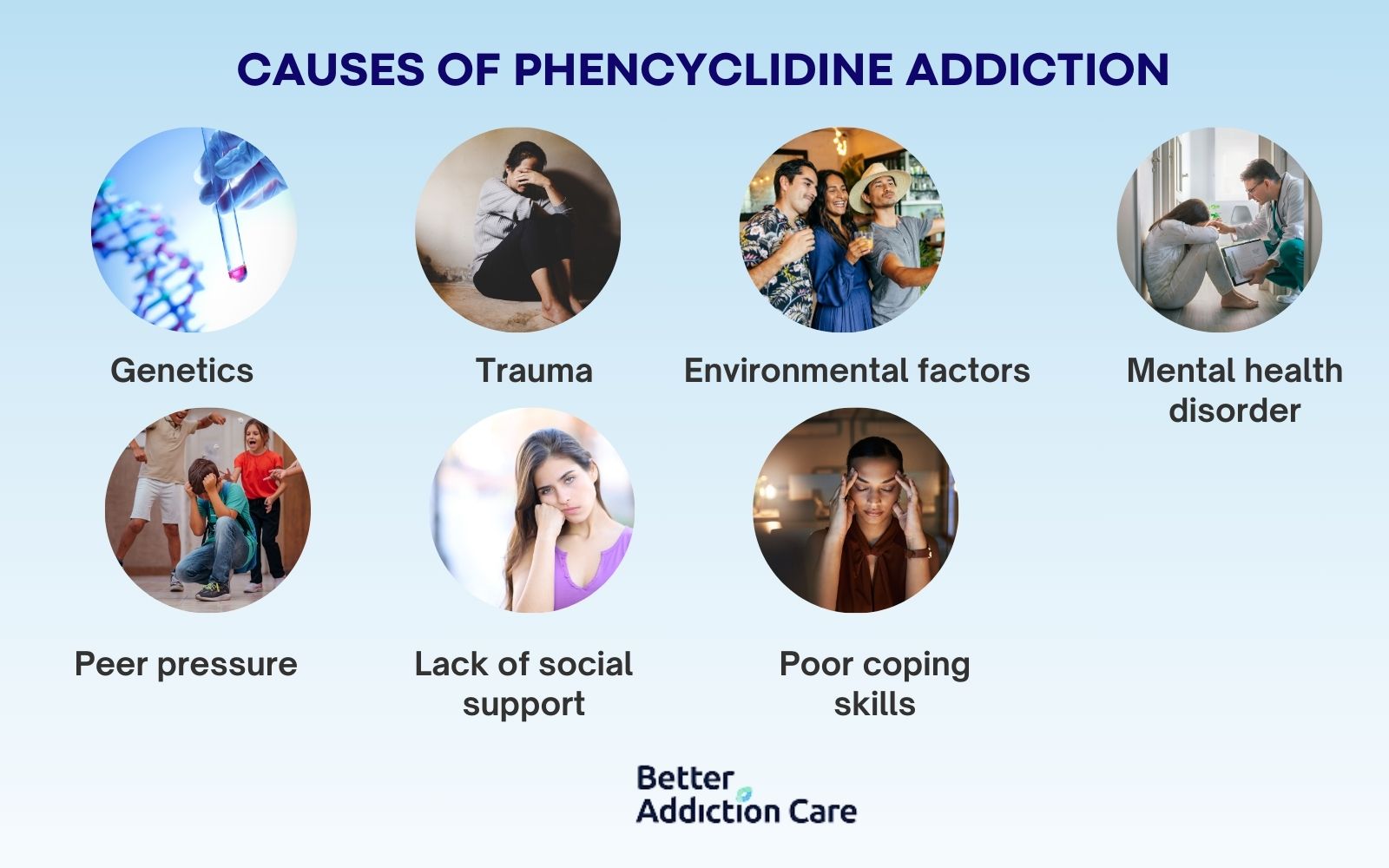
Phencyclidine addiction is a state where people experience a dire need to use phencyclidine or PCP. PCP is a hallucination drug that leads to a false sense of reality.The causes of Phencyclidine (PCP) addiction are genetics, trauma, environmental factors, peer pressure, lack of social support, poor coping skills, and mental health disorders.
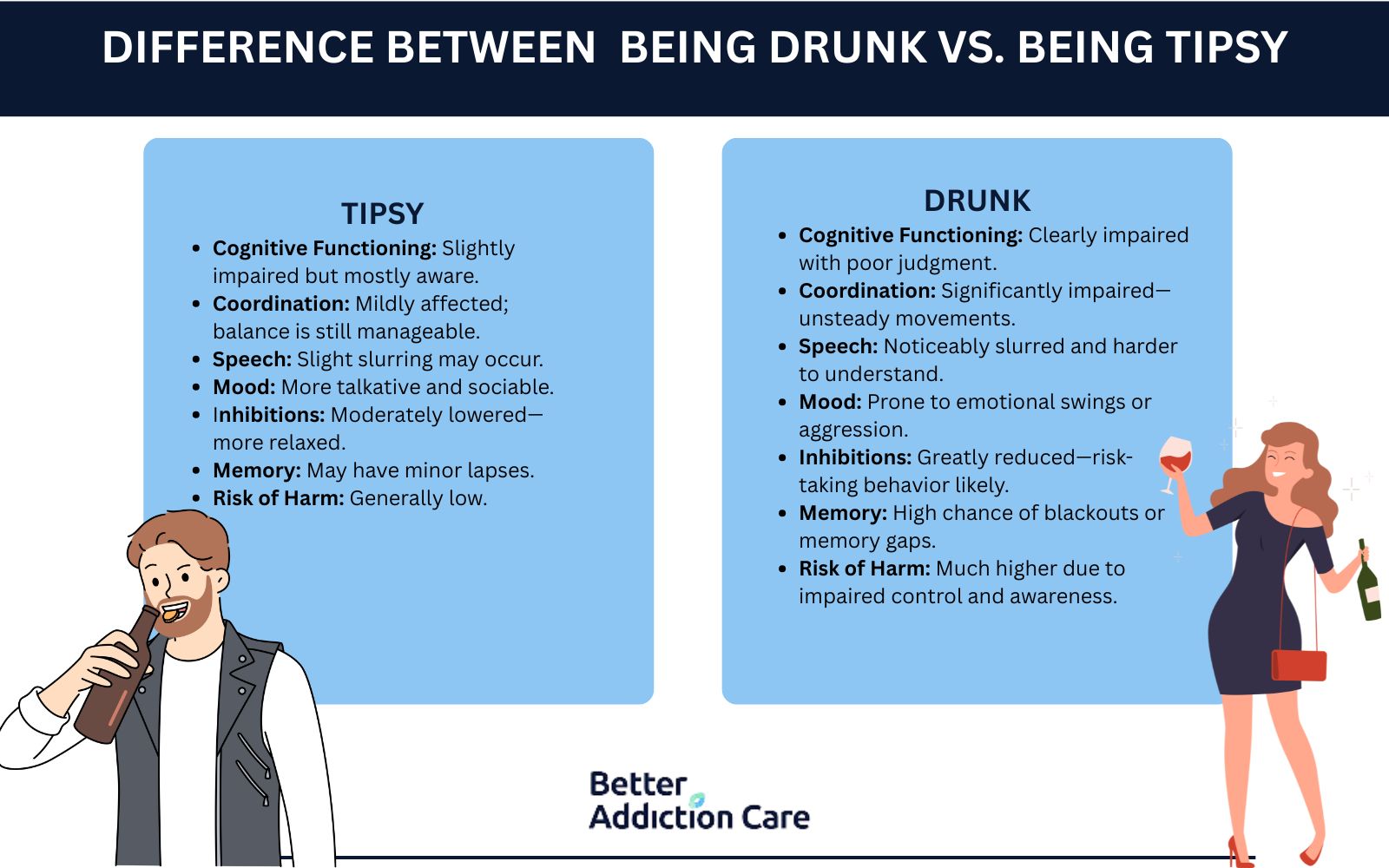
The difference between being tipsy and drunk lies in the severity of cognitive functioning, coordination, and speech impairments, as well as variations in mood, inhibitions, memory lapses, and risk of harm.
Alcoholism use screening and assessment refers to the process of identifying problematic alcohol use through indirect or non-obvious methods, such as brief questionnaires, behavioral observations, or cognitive bias tasks, rather than direct self-reporting.
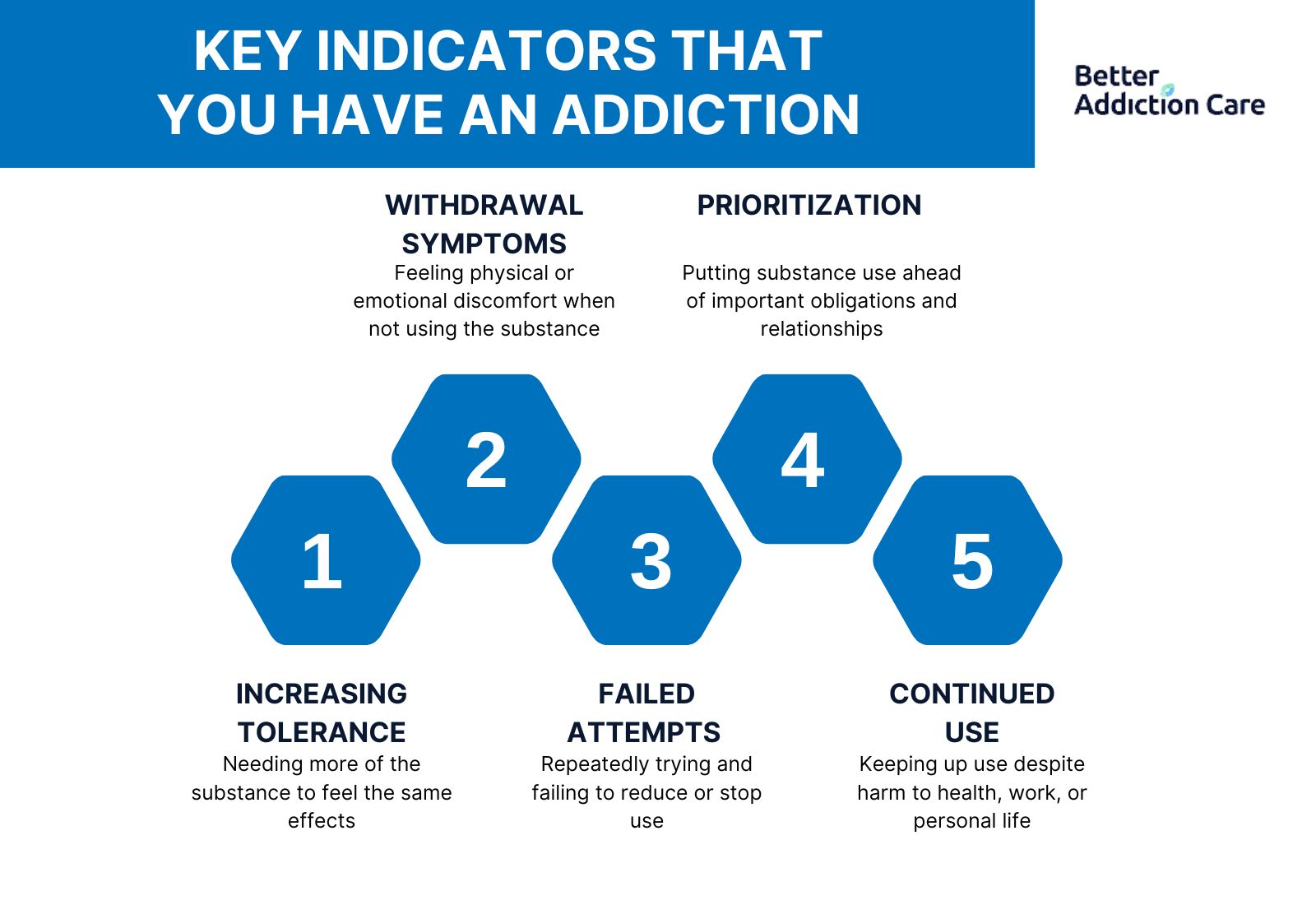
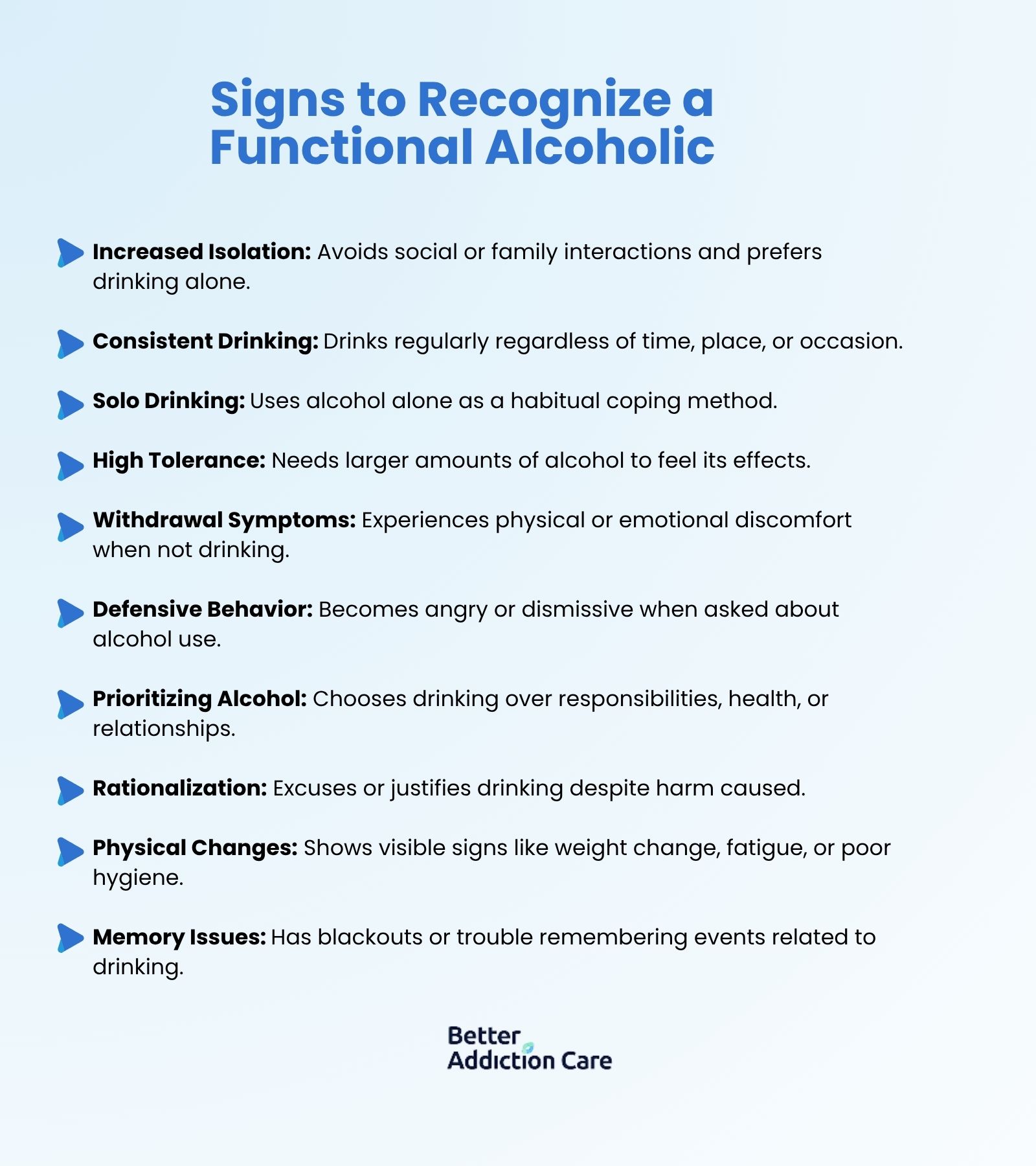
To recognize a functional alcoholic, look for consistent drinking, isolation, solo alcohol use, increased tolerance, withdrawal symptoms, defensiveness about drinking, prioritization of alcohol over responsibilities, rationalization of use, physical changes, and memory issues.
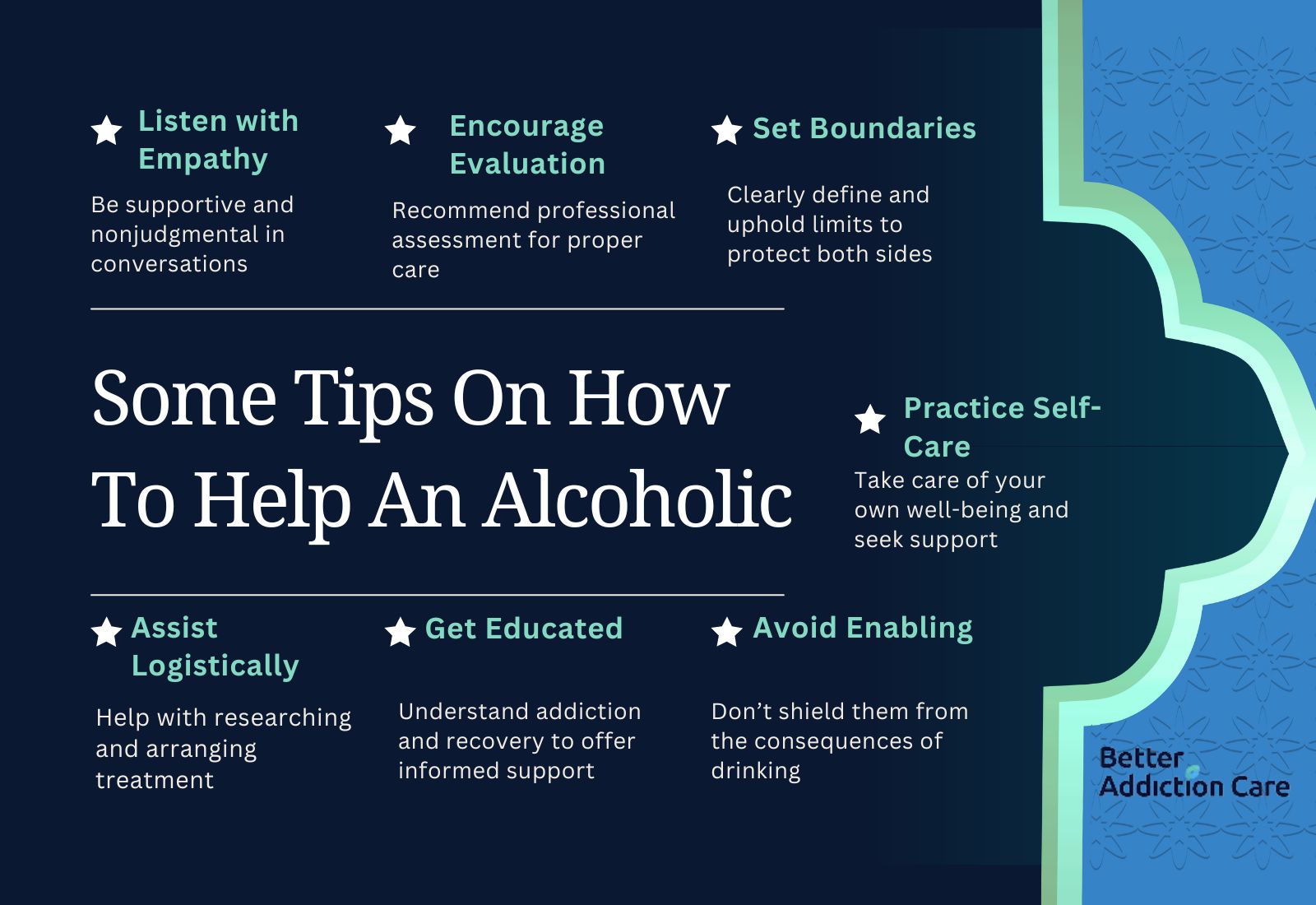
To find help for alcoholism, loved ones should reach out to qualified professionals and support networks.3 million Americans having consumed alcohol at some point in their lifetime and 61.4 million engaging in binge drinking monthly, the need for accessible treatment resources is significant.
By calling us, you agree to our Terms & Conditions
For those seeking addiction treatment for themselves or a loved one, our calls are confidential and are available for 24/7 help.
Any treatment center receiving calls from the site is a paid advertiser.
Calls to numbers on a specific treatment center listing will be routed to that treatment center.
Calls to any general helpline will be answered by treatment providers, each of which is a paid advertiser.
By calling the helpline you agree to the terms of use. These calls are offered at no cost to you and with no obligation to enter into treatment. Neither this site nor anyone who answers the call receives a commission or fee dependent upon which treatment provider a visitor may ultimately choose.
If you wish to explore additional treatment options or connect with a specific rehab center, you can: browse top-rated listings, visit our homepage, or visit SAMHSA, or by calling 800-662-HELP. You may also contact The Florida Department of Children and Family Services