24/7 Support Line - Call Now
Sponsored Helpline
Free Insurance Verification
Verify Your Treatment Coverage

Better Addiction Care Blogs

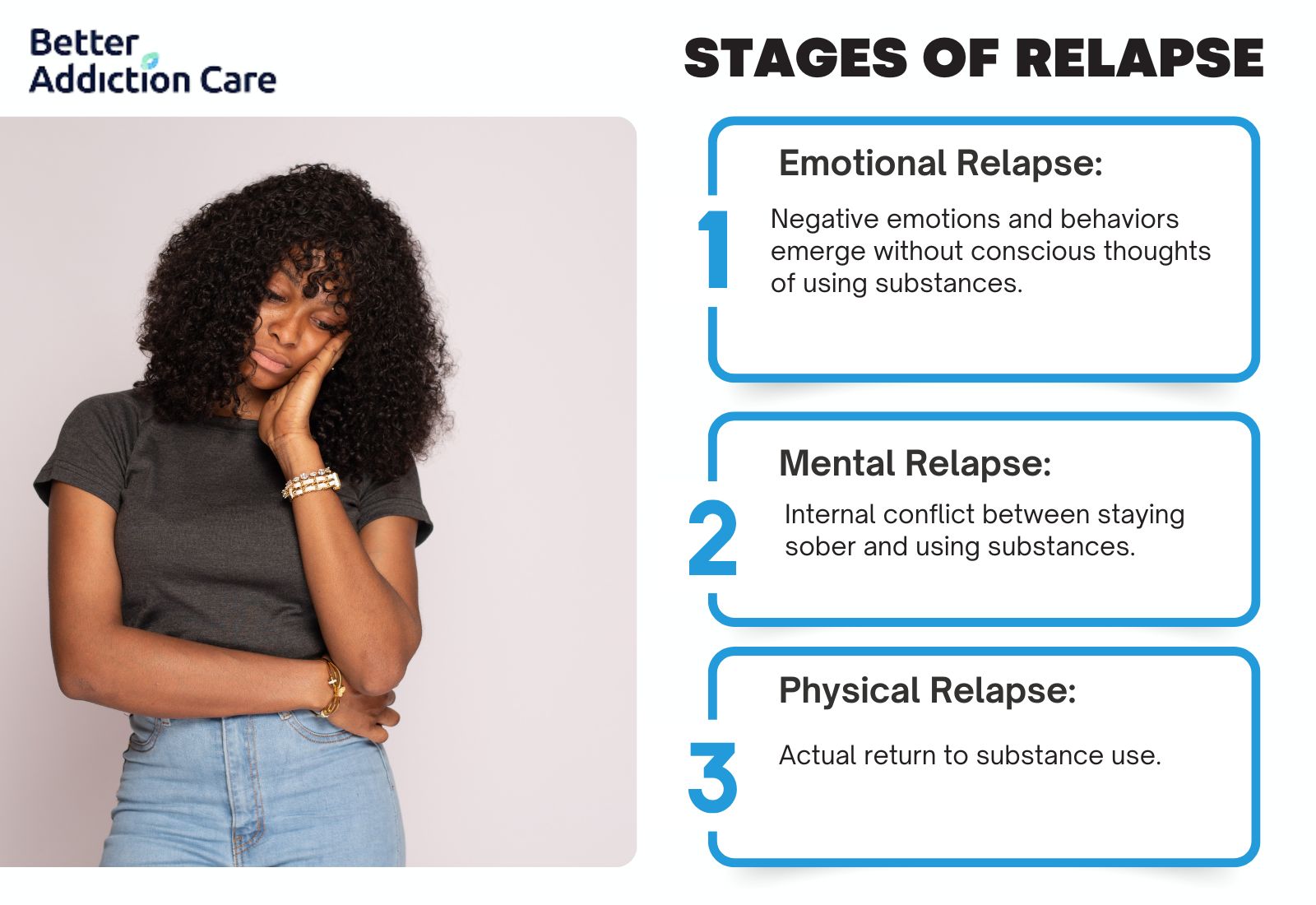
What is a Relapse? Warning Signs, Triggers, & Treatment
A relapse is the return of addiction, illness or problematic behaviors after a period of recovery, indicating a setback in an individual's condition, often seen in chronic diseases, addiction, or psychiatric disorders.

A relapse is the return of addiction, illness or problematic behaviors after a period of recovery, indicating a setback in an individual's condition, often seen in chronic diseases, addiction, or psychiatric disorders.

blog Updated Aug 15, 2025 Expert Verified
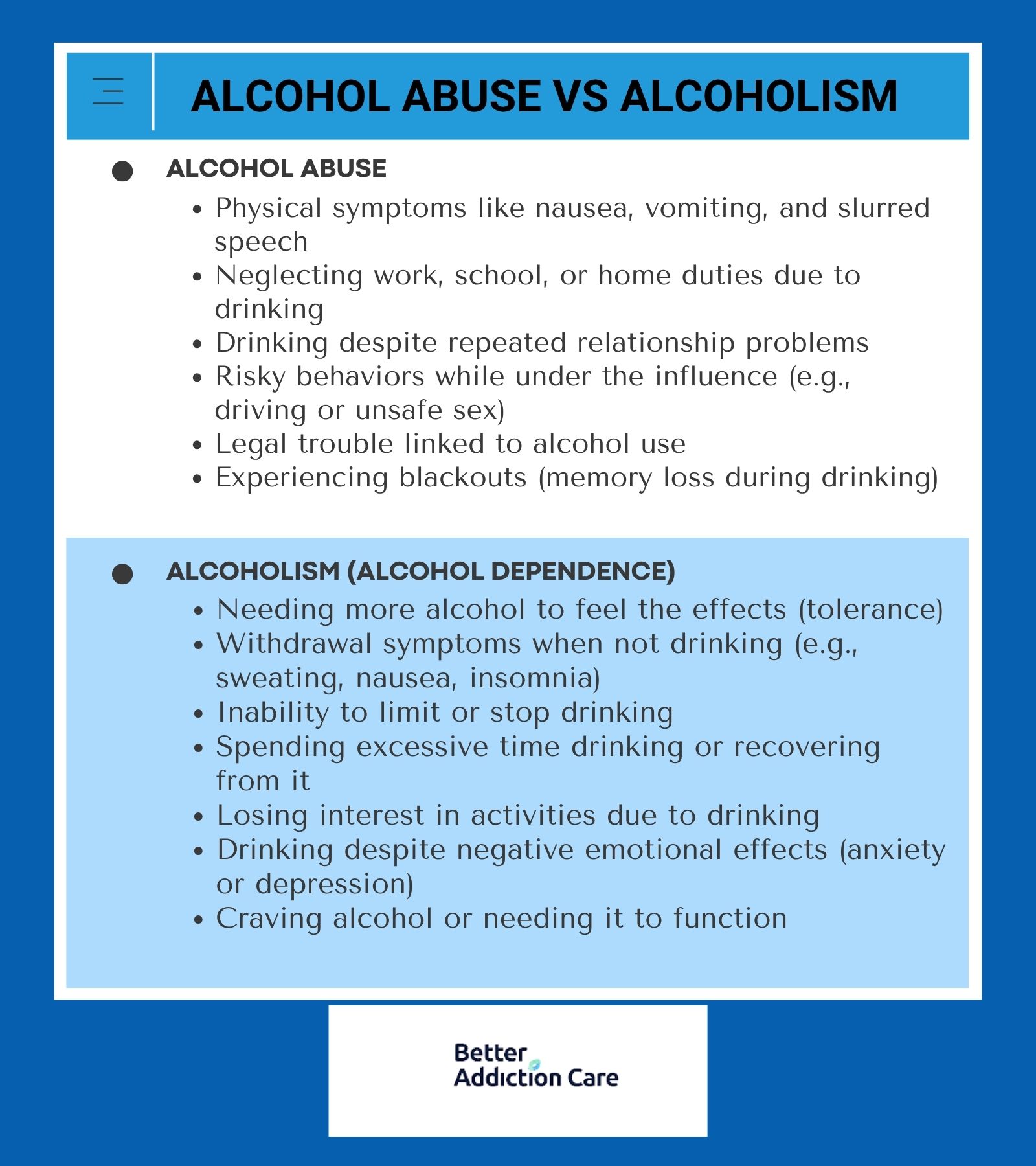
Understanding Alcohol Abuse vs Alcoholism
If you're wondering about the difference between alcohol abuse and alcoholism, it comes down to physical dependence. With alcohol abuse, you experience negative consequences from drinking, but aren't physically dependent. Alcoholism (or AUD) means you've developed a chemical dependence that makes it much harder to stop.
Alcohol Use Disorder Updated Aug 15, 2025 Expert Verified
Rehab Process for Addiction
The process of going to rehab begins with a thorough evaluation and medical supervision during withdrawal. This foundation leads to structured therapeutic interventions and a robust long-term recovery plan that supports you on your path to healing.
Alcohol Addiction Updated Aug 15, 2025 Expert Verified
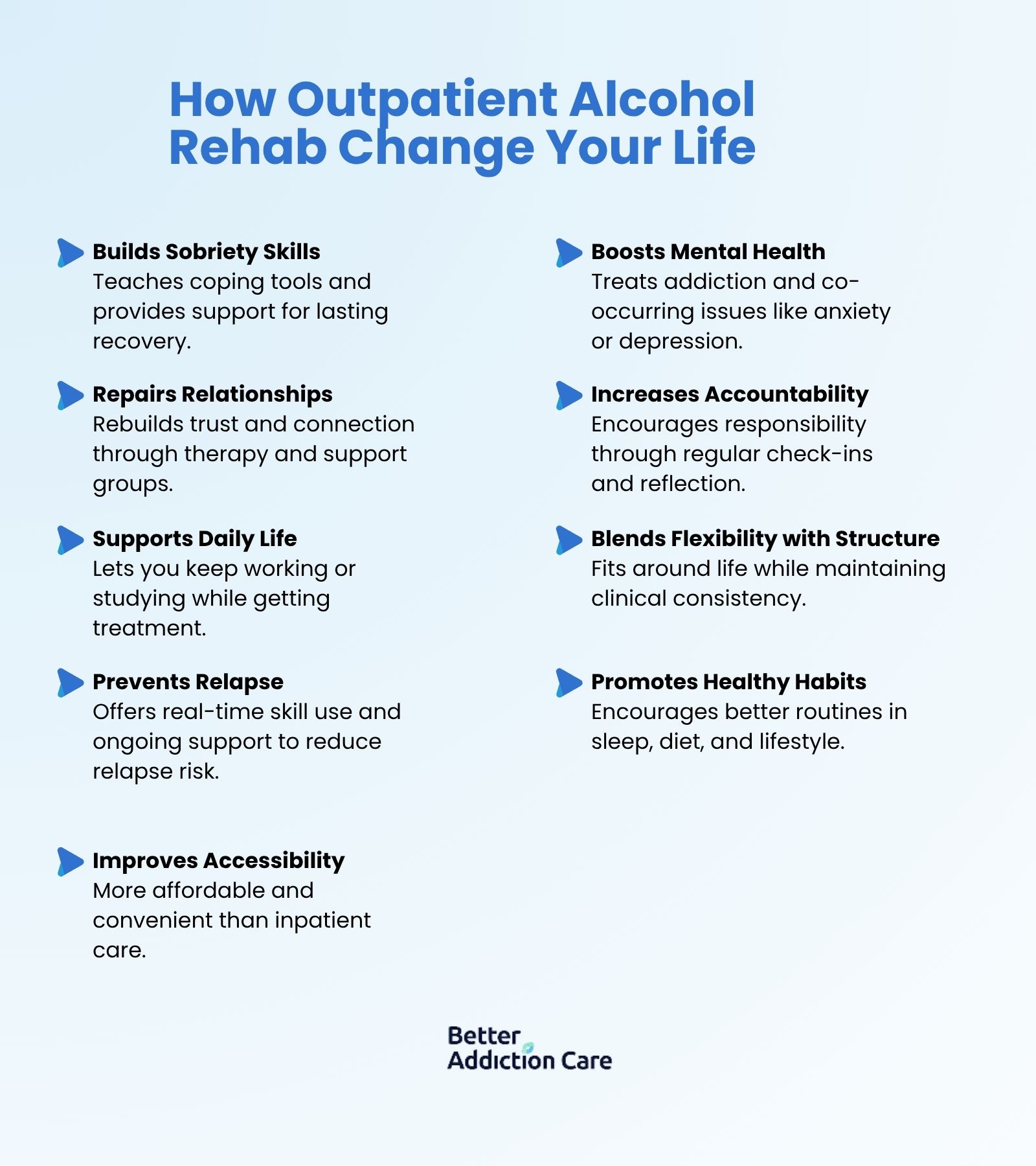
How Does Outpatient Alcohol Rehab Change Your Life?
Outpatient alcohol rehab changes your life by building a foundation for long-term sobriety through practical tools and structured therapy, improving mental and emotional health, and enhancing personal relationships and social support.
Alcohol Use Disorder Updated Aug 15, 2025 Expert Verified
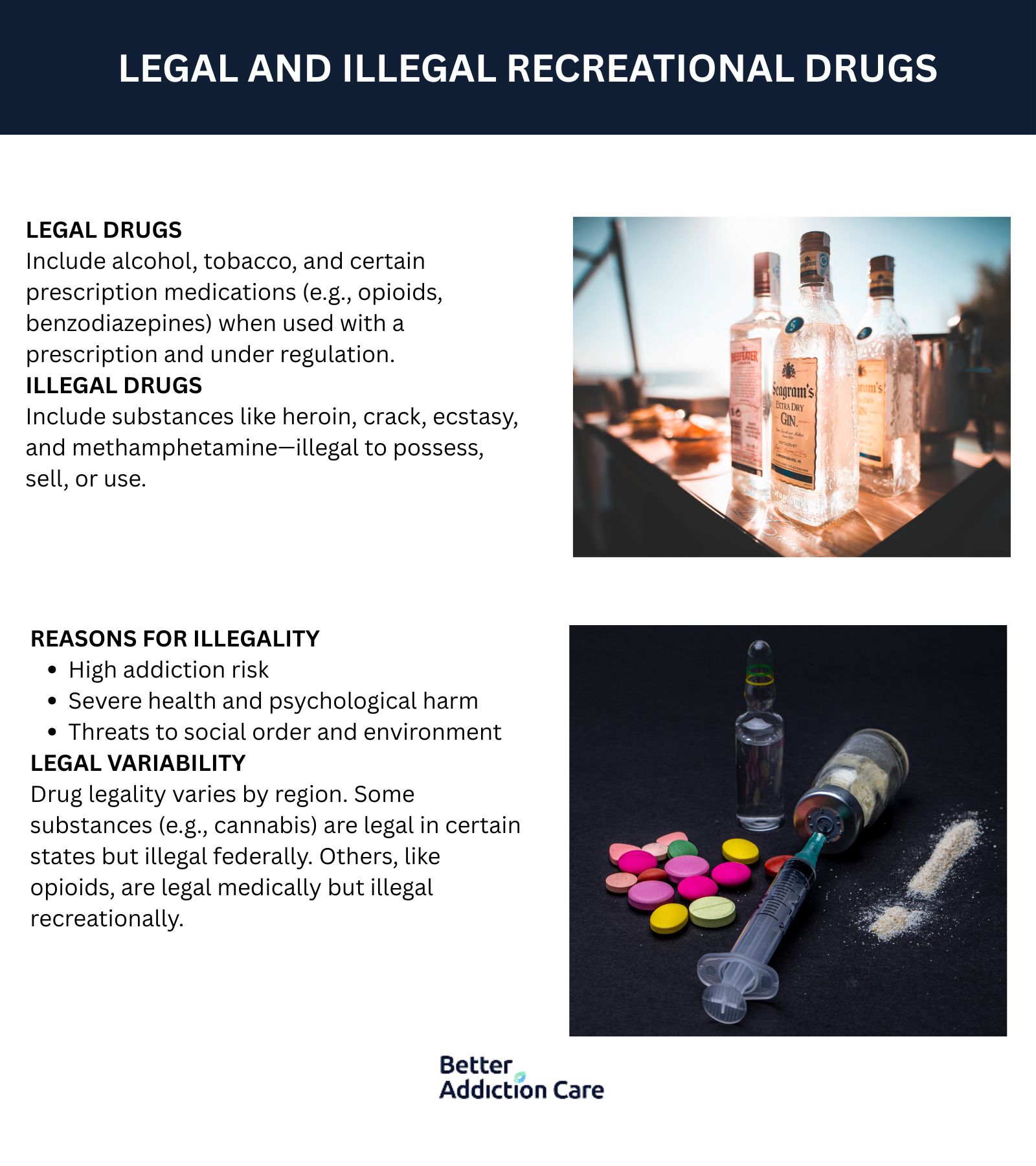
What Are Recreational Drugs?
Recreational drug use is a sensitive and complex issue that many struggle with in silence. Recreational drugs are substances you consume primarily for pleasure, enjoyment, or non-medical purposes that range from legal compounds like caffeine and alcohol to illegal substances such as heroin and cocaine, potentially leading to dependency or addiction with continued use.
Addiction Updated Aug 15, 2025 Expert Verified
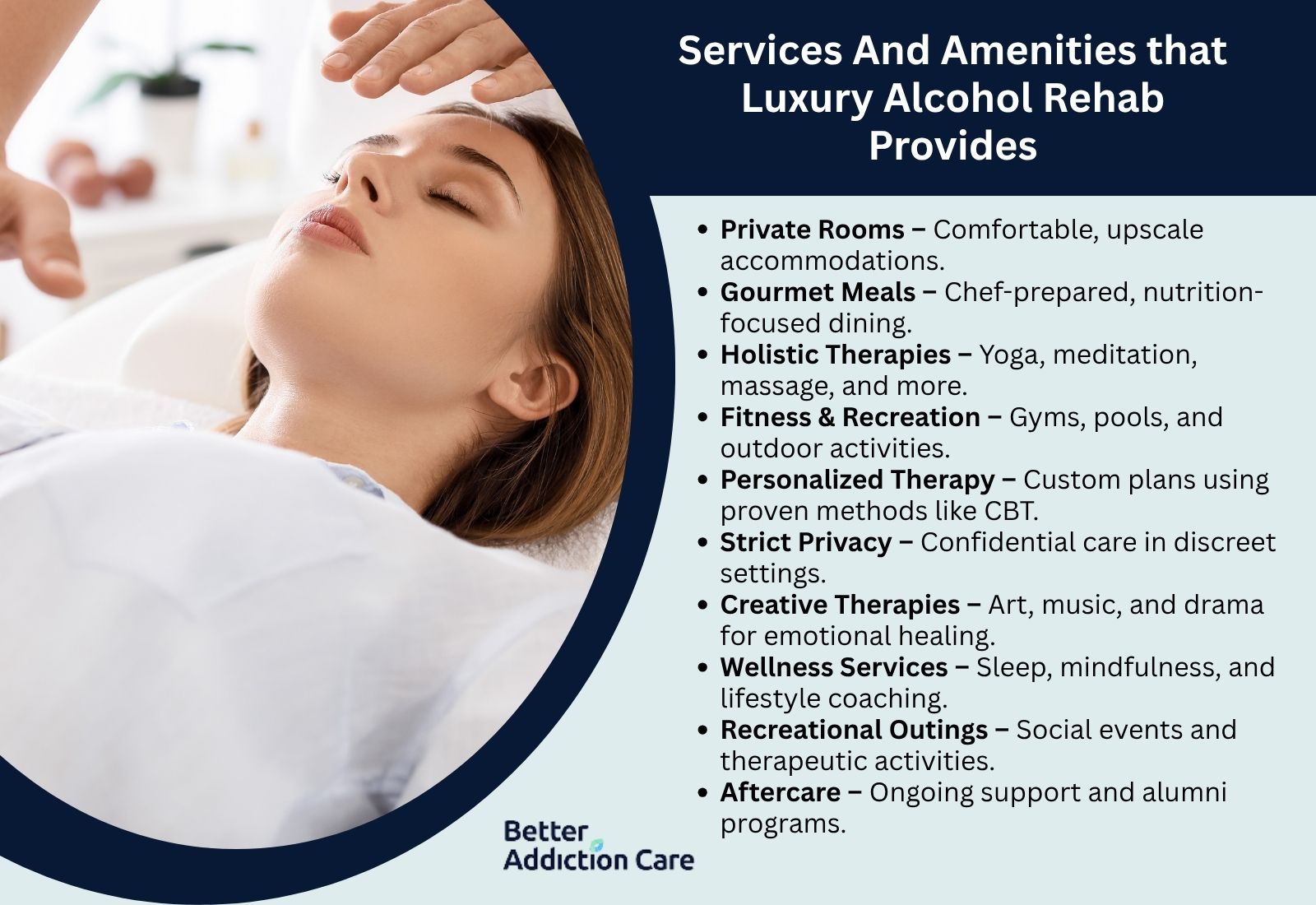
Luxury Alcohol Rehab as an Option
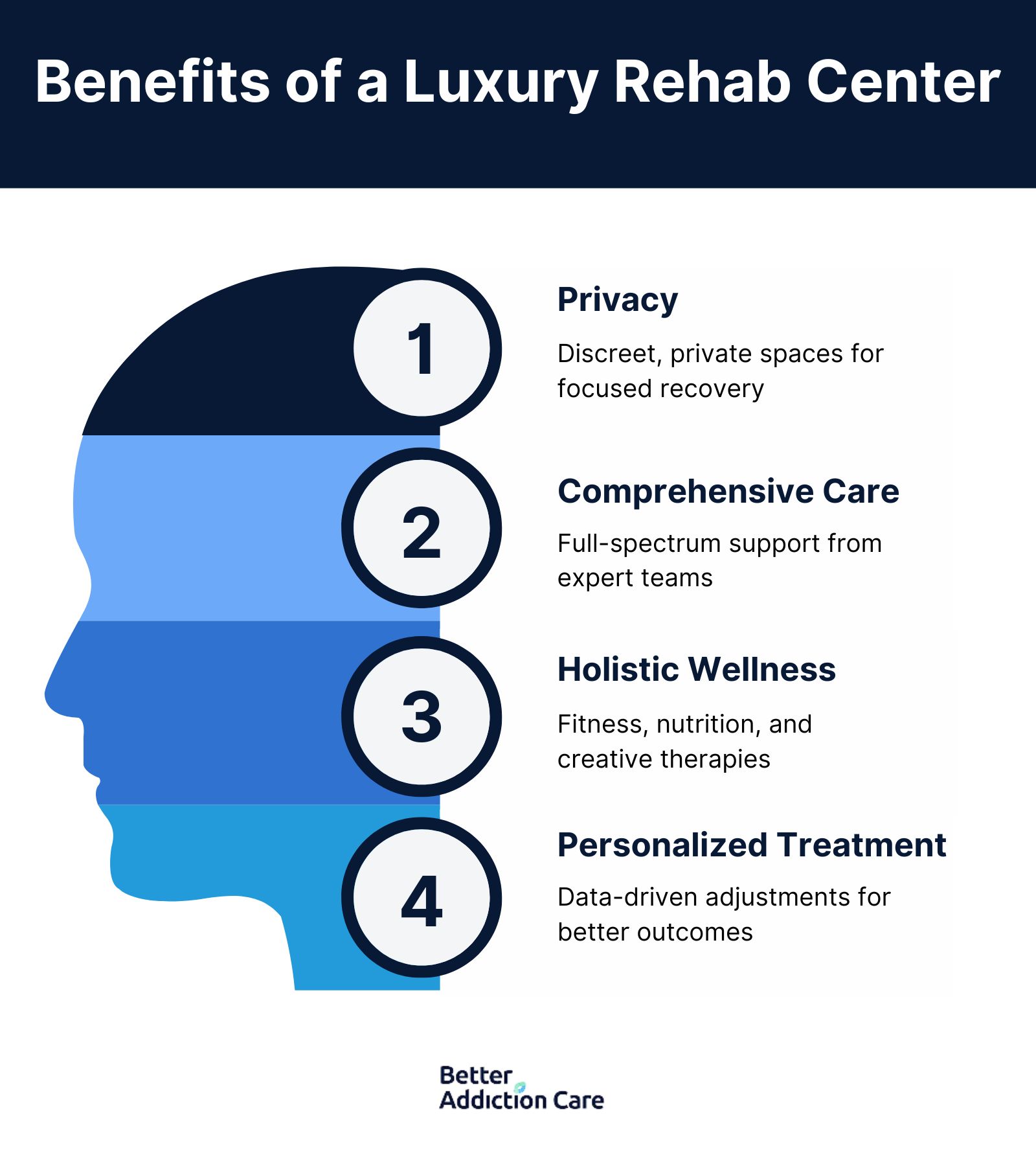
Luxury alcohol rehab offers an upscale option for inpatient treatment that combines evidence-based therapies with high-end amenities for personalized recovery. These facilities prioritize privacy and individualized care, providing medical detox, cognitive behavioral therapy (CBT), and holistic treatments.
Alcohol Addiction Updated Aug 15, 2025 Expert Verified
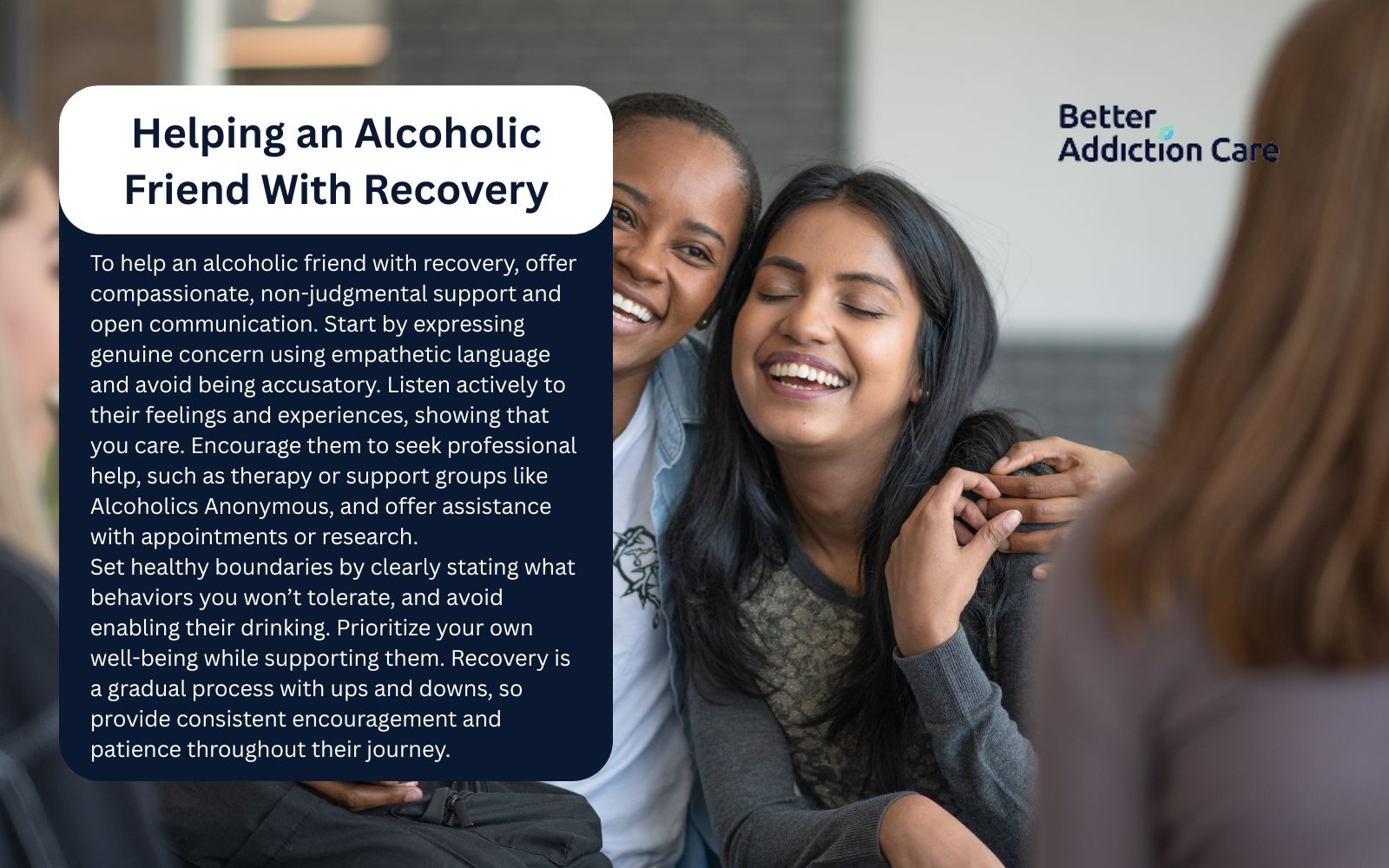
Learning How to Help an Alcoholic Friend
To support a friend recovering from alcoholism, use compassionate communication, encourage professional help, practice active listening, set healthy boundaries, and provide consistent encouragement without enabling harmful behavior. Your friend is among 28.9 million Americans who faced Alcohol Use Disorder in 2023—a sobering reminder that this struggle affects millions and that recovery requires tremendous courage.
Alcohol Use Disorder Updated Aug 15, 2025 Expert Verified
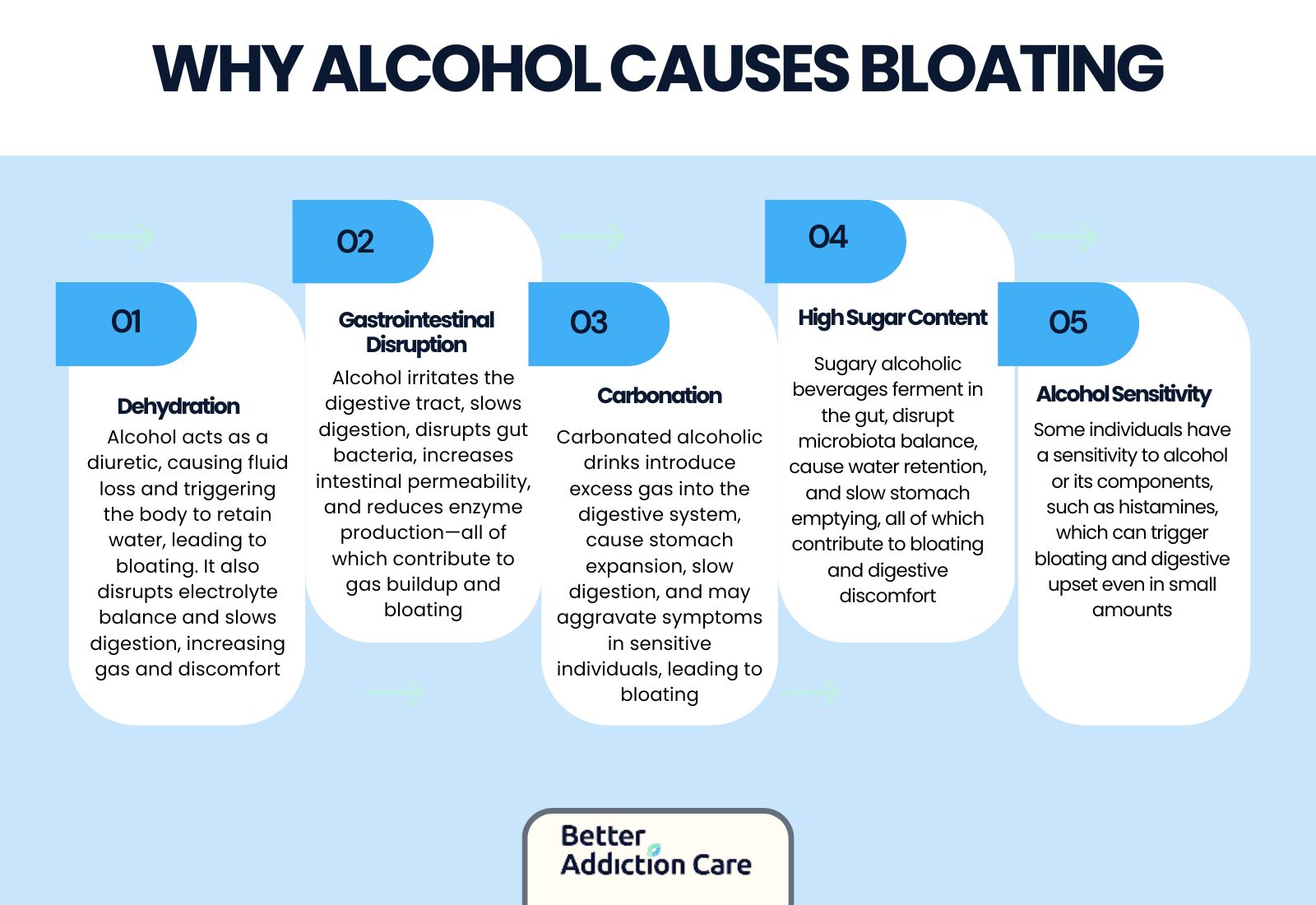
Understanding Alcohol Bloating
Alcohol bloating refers to the uncomfortable sensation of fullness and swelling in the abdomen caused by factors such as fluid retention, gastrointestinal disruption, gas accumulation, and fermentation of sugars from alcoholic beverages.
Alcohol Use Disorder Updated Aug 15, 2025 Expert Verified
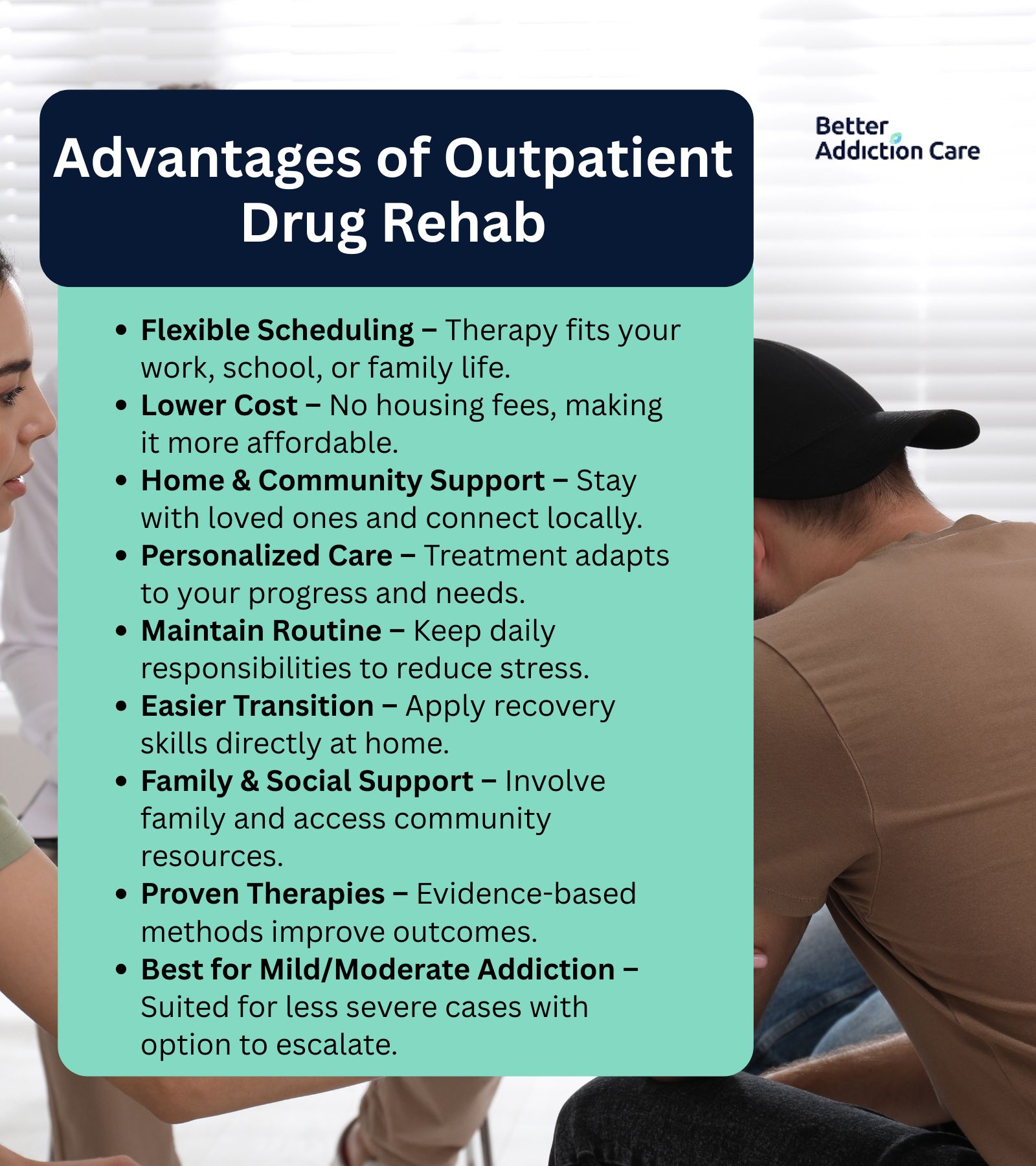
Advantages of Outpatient Drug Rehab
Advantages of outpatient drug rehab include flexible scheduling, lower costs, and continuous home and community support. This approach is perfect for you if you have mild to moderate addiction, providing strong support while allowing you to balance work or school commitments.
Levels Of Care Updated Aug 15, 2025 Expert Verified
5 Useful AA Tips for Newcomers
The 5 main Alcoholics Anonymous (AA) tips are being punctual to meetings, maintaining an open mindset, forming supportive connections, sharing experiences openly, and avoiding self-pity throughout the recovery journey.

The 5 main Alcoholics Anonymous (AA) tips are being punctual to meetings, maintaining an open mindset, forming supportive connections, sharing experiences openly, and avoiding self-pity throughout the recovery journey.

Alcoholism Recovery Updated Aug 15, 2025 Expert Verified
What is a Closet Alcoholic? Signs, Reasons and How to help a Hiding Drinker
A closet alcoholic is someone who hides their alcohol consumption and addiction from others, often maintaining a façade of normalcy while secretly struggling with dependence You are a closet alcoholic if you hide your alcohol addiction from others, consume alcohol in secrecy, and make efforts to conceal your habits from your partner, friends, family, and coworkers.

A closet alcoholic is someone who hides their alcohol consumption and addiction from others, often maintaining a façade of normalcy while secretly struggling with dependence You are a closet alcoholic if you hide your alcohol addiction from others, consume alcohol in secrecy, and make efforts to conceal your habits from your partner, friends, family, and coworkers.

Alcohol Use Disorder Updated Aug 15, 2025 Expert Verified
How to Get Sober after years of Alcohol Abuse: Stages, Relapse and After Care
Getting sober after years of alcohol abuse is a transformative path where individuals must face chronic physiological damage, emotional instability, and social disconnection, and apply structured treatment, commitment, and resilience to rebuild their lives.

Getting sober after years of alcohol abuse is a transformative path where individuals must face chronic physiological damage, emotional instability, and social disconnection, and apply structured treatment, commitment, and resilience to rebuild their lives.

Alcohol Addiction Updated Aug 15, 2025 Expert Verified
Alcohol Cravings: Definition, causes, Management and Rehab Centers
Alcohol cravings are intense urges to drink, common in those with alcohol dependence. According to a report by the Centers for Disease Control and Prevention (CDC) titled "Data on Excessive Alcohol Use published in 2024", 17% of U.S. adults binge drink and 6% drink heavily, with nearly all heavy drinkers also engaging in binge drinking. The same report notes that over 90% of adults who drink excessively report binge drinking, highlighting its prevalence. In another CDC publication titled "Alcohol Use and Your Health released" in 2025, it is explained that binge drinking episodes can be triggered by internal emotions and external alcohol-related cues, and may cause physical symptoms such as restlessness and sweating, and psychological symptoms like intense emotions. These episodes typically last 15–20 minutes and are more frequent during early recovery
Alcohol Use Disorder Updated Aug 15, 2025 Expert Verified
Alcoholics Anonymous 12 Steps: What They Are And How To Use Them
The 12 Steps of Alcoholics Anonymous (AA) and Narcotics Anonymous (NA) are structured programs designed to help individuals achieve and maintain sobriety through a combination of supportive fellowship, structured guidance, holistic healing, peer support, personal accountability, and spiritual growth. According to a comprehensive review of 27 studies published in the Cochrane Database of Systematic Reviews involving more than 10,000 participants, Alcoholics Anonymous and Twelve-Step Facilitation programs demonstrate significant effectiveness in treating alcohol use disorder, with manual interventions leading to higher rates of continuous abstinence than other established treatments at 12, 24, and 36 months. If you or a loved one is ready to take control and get sober, understanding the 12-step plan is essential. AA and NA provide a roadmap for recovery, offering local meetings and resources to support individuals on their journey to sobriety.
Alcoholism Recovery Updated Aug 15, 2025 Expert Verified
Alcohol Withdrawal: Side Effects, Symptoms, Diagnosis and treatment
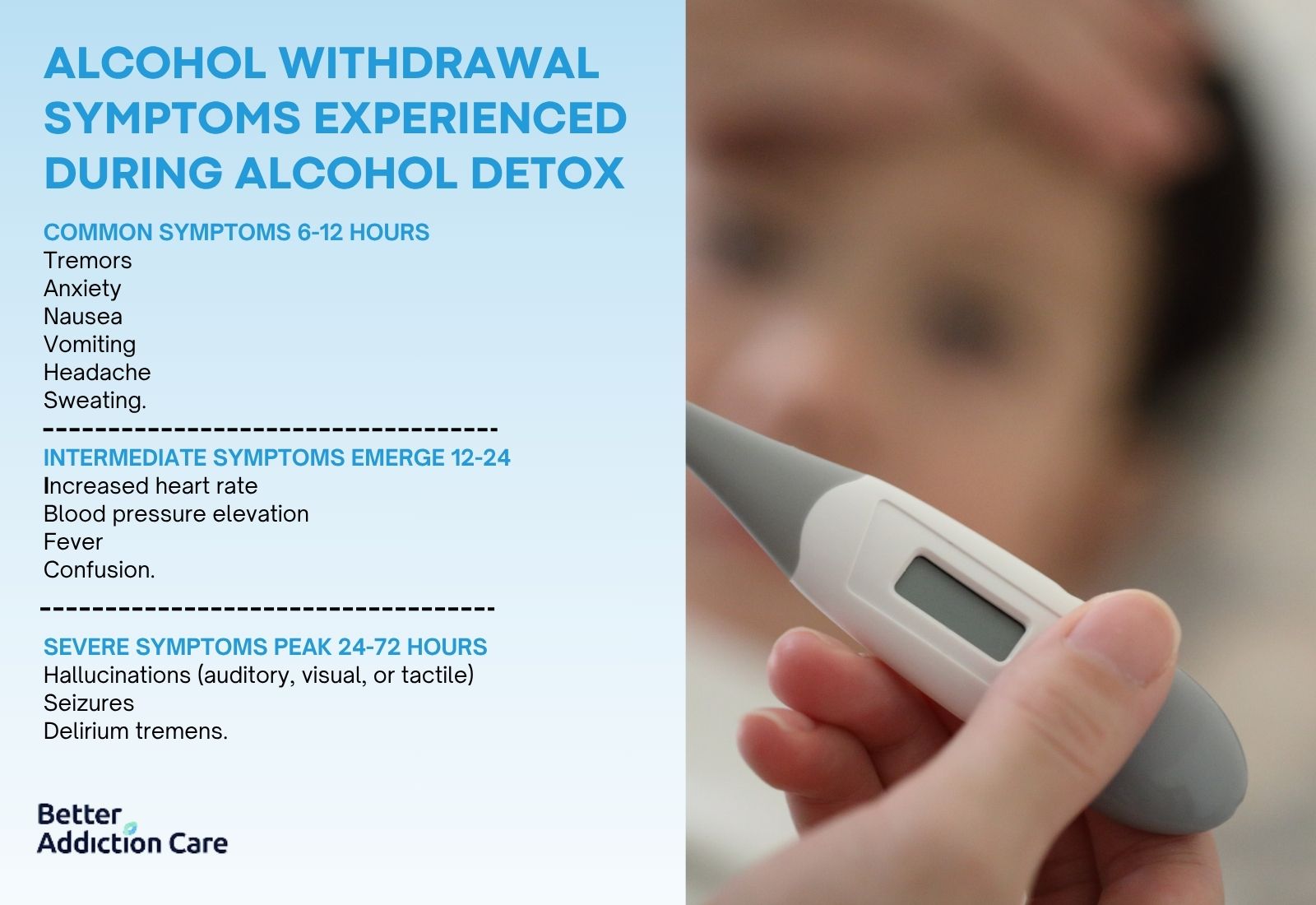
Side effects of alcohol withdrawal include tremors, nausea, headaches, sweating, mood swings, fatigue, and altered skin sensations. These symptoms affect your body and mind in serious ways, creating physical discomfort, emotional disturbances, and dangerous neurological complications.

Side effects of alcohol withdrawal include tremors, nausea, headaches, sweating, mood swings, fatigue, and altered skin sensations. These symptoms affect your body and mind in serious ways, creating physical discomfort, emotional disturbances, and dangerous neurological complications.

Alcohol Use Disorder Updated Aug 12, 2025 Expert Verified

Your Addiction Doesn't Have To Define Who You Are.

You deserve high-quality treatment and a fulfilling life in recovery.

By calling us, you agree to our Terms & Conditions