(866) 567-3138
Sponsored Helpline
Verify Insurance
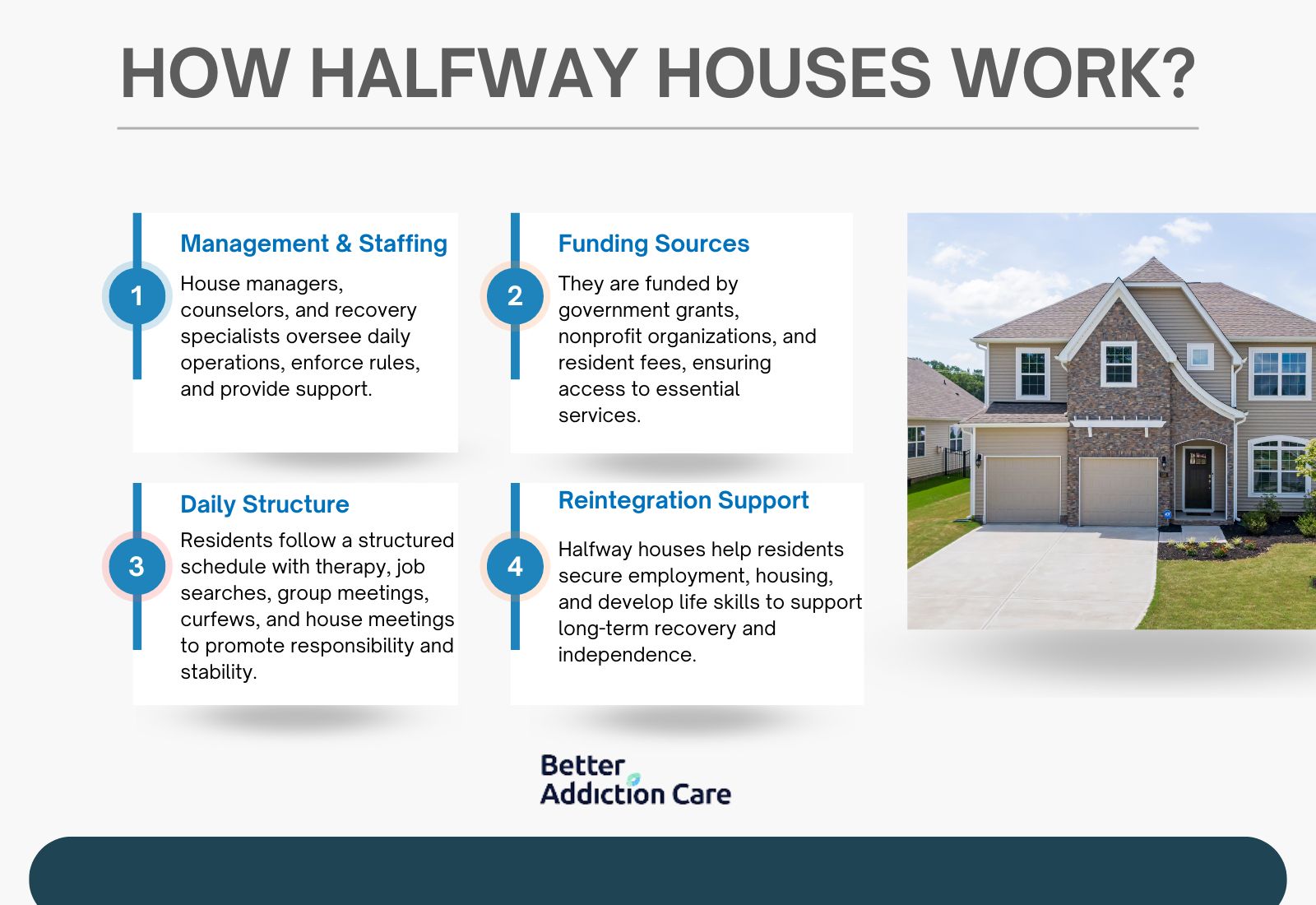
A halfway house is a structured, substance-free living environment designed to support individuals transitioning from treatment to independent, sober living. These residences serve as a bridge between intensive addiction treatment and full reintegration into society, offering stability, accountability, and continued recovery support.
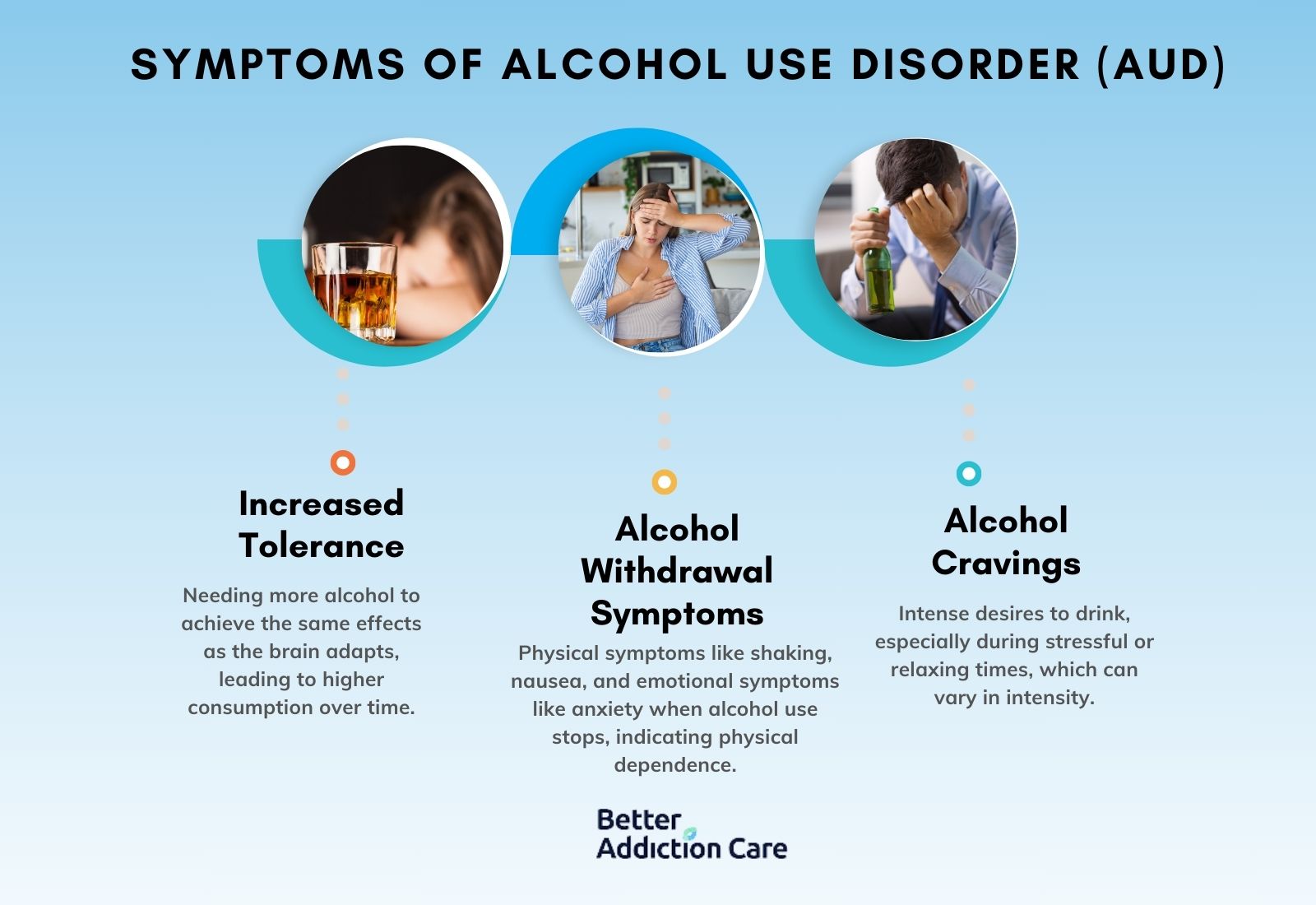
Alcohol addiction, also known as alcoholism, is a chronic disease where individuals lose control over their drinking habits despite harmful consequences. Alcohol use disorder is marked by both physical and psychological dependence, which causes significant damage to one’s health and life over time.
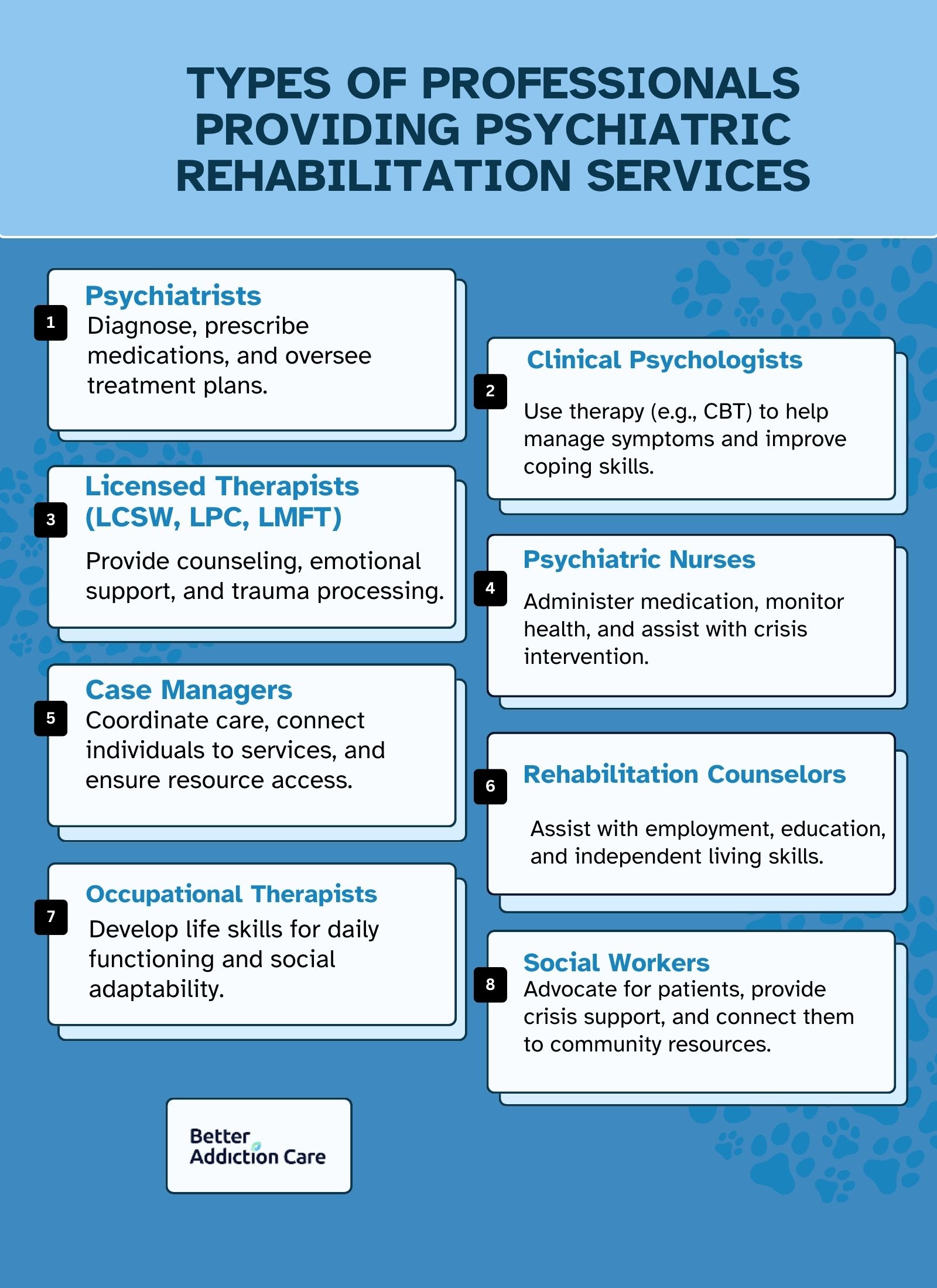
Psychiatric rehabilitation helps individuals with severe mental health conditions regain independence, develop coping skills, and reintegrate into society. Psychiatric rehabilitation focuses on improving emotional, social, and vocational functioning through structured interventions, combining therapy, medication management, and life skills training to enhance overall well-being.
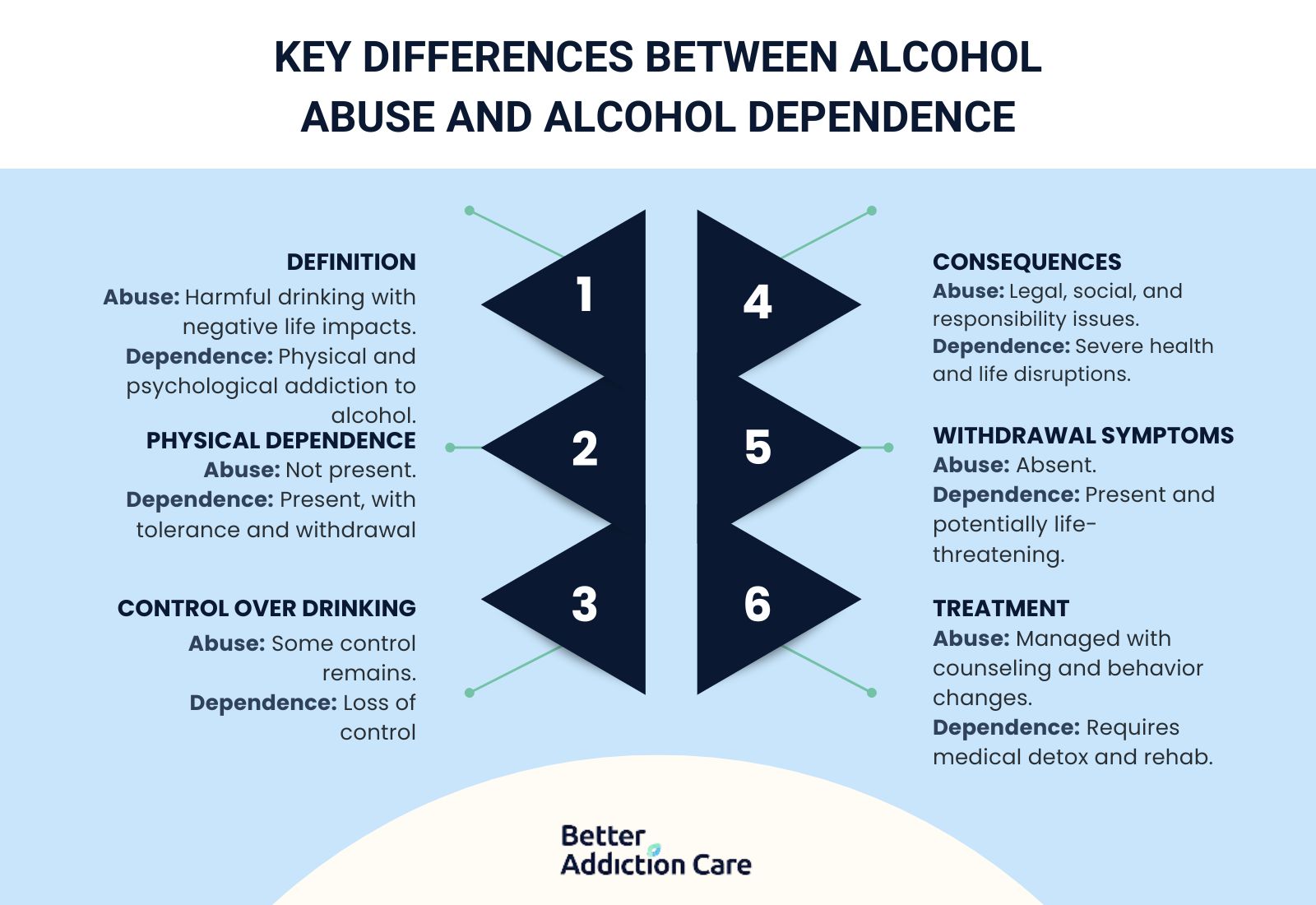
dependence states that abuse involves harmful drinking patterns without full physical reliance, while dependence includes tolerance and withdrawal, with causes rooted in social, psychological, and biological factors, and rehabilitation requiring counseling, medical treatment, and long-term support.
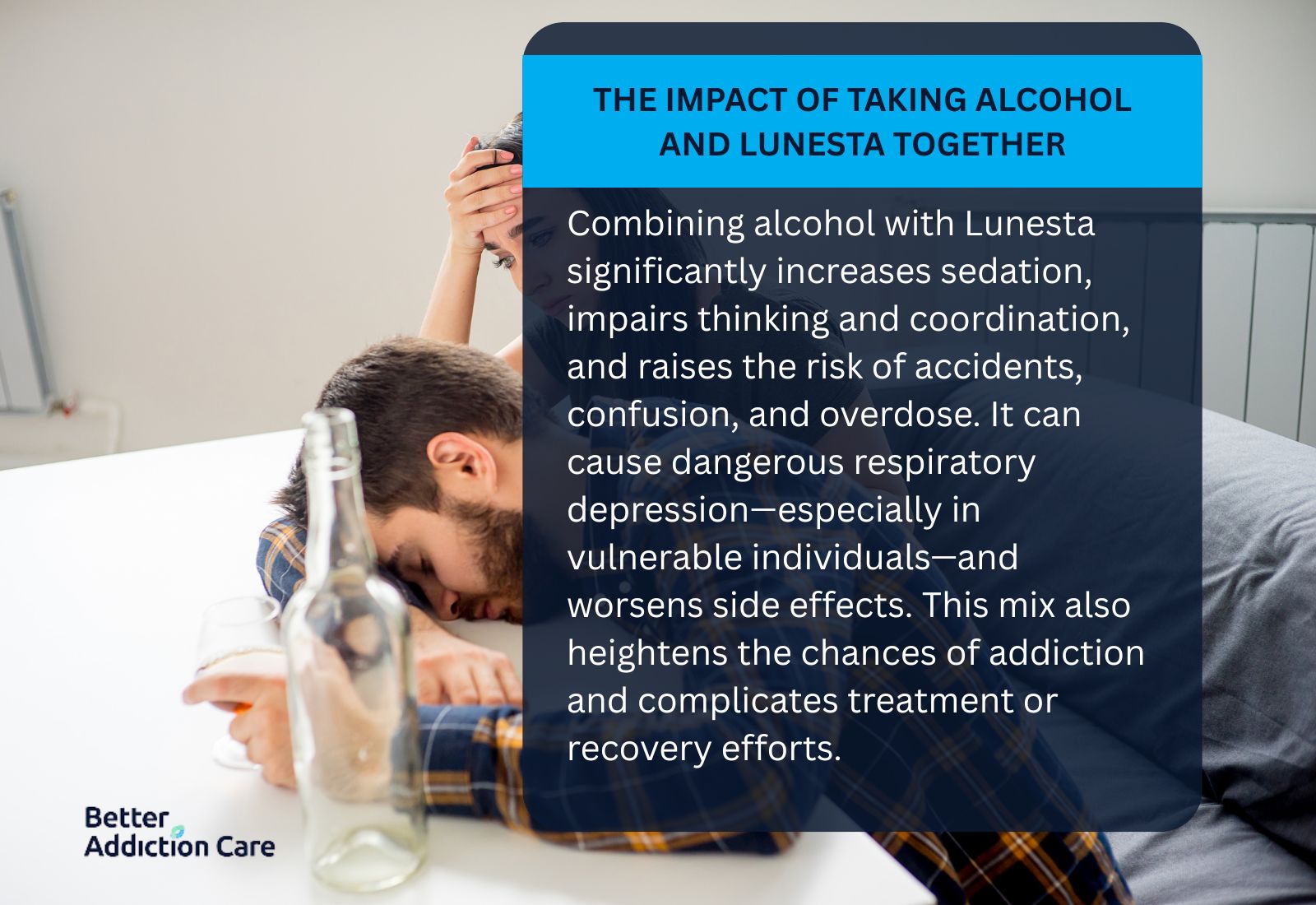
Mixing Lunesta and alcohol is highly dangerous because it intensifies central nervous system depression, increases mental instability, and significantly raises the risk of fatal overdose.Mixing Lunesta (eszopiclone) and alcohol creates a dangerous combination that significantly impacts the central nervous system.
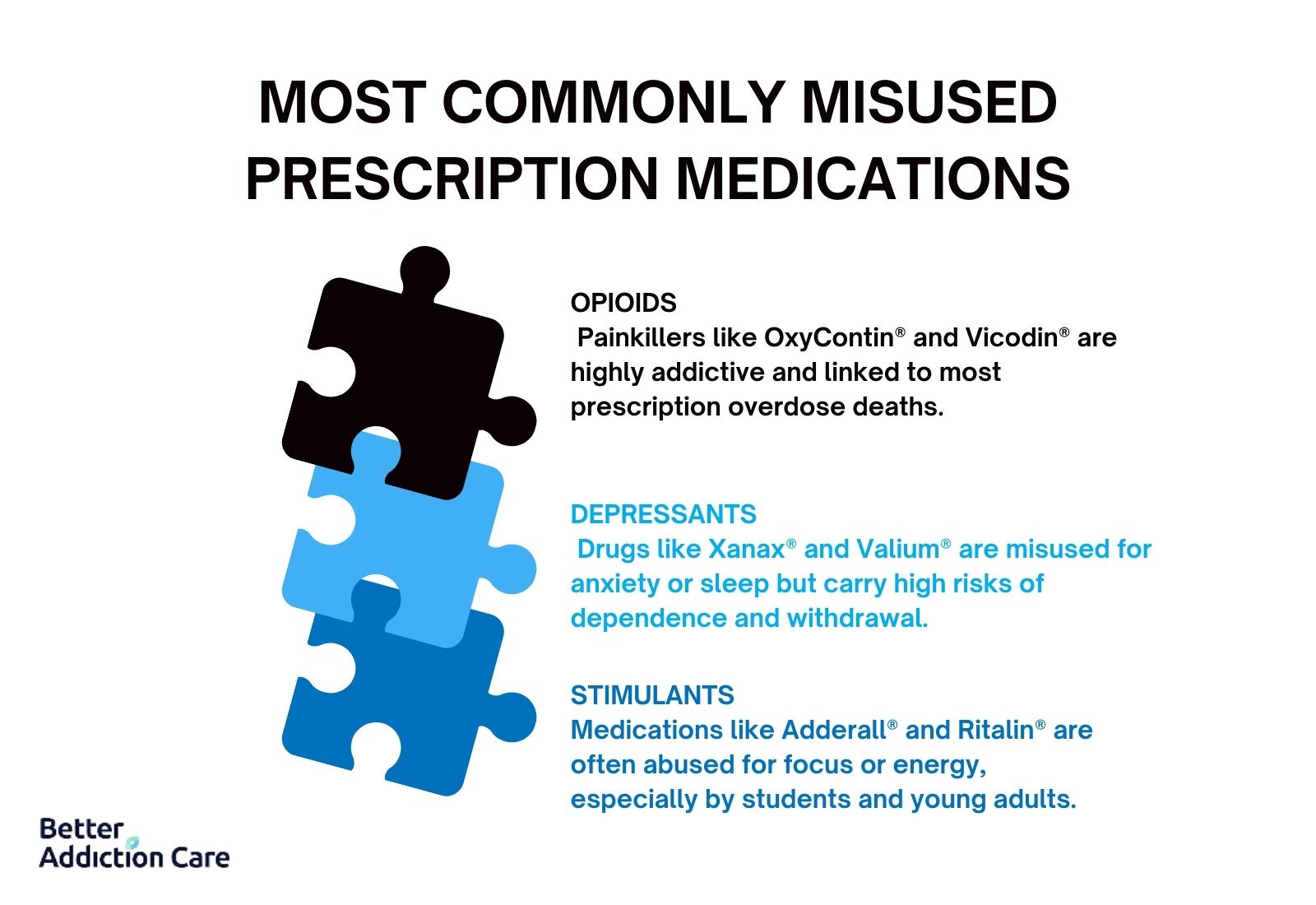
Prescription drug addiction occurs when individuals misuse medications like opioids, benzodiazepines, or stimulants, leading to compulsive use despite harmful consequences. Drugs such as oxycodone, hydrocodone, and fentanyl are involved, and misuse escalates into seeking out street drugs when prescriptions are unavailable.
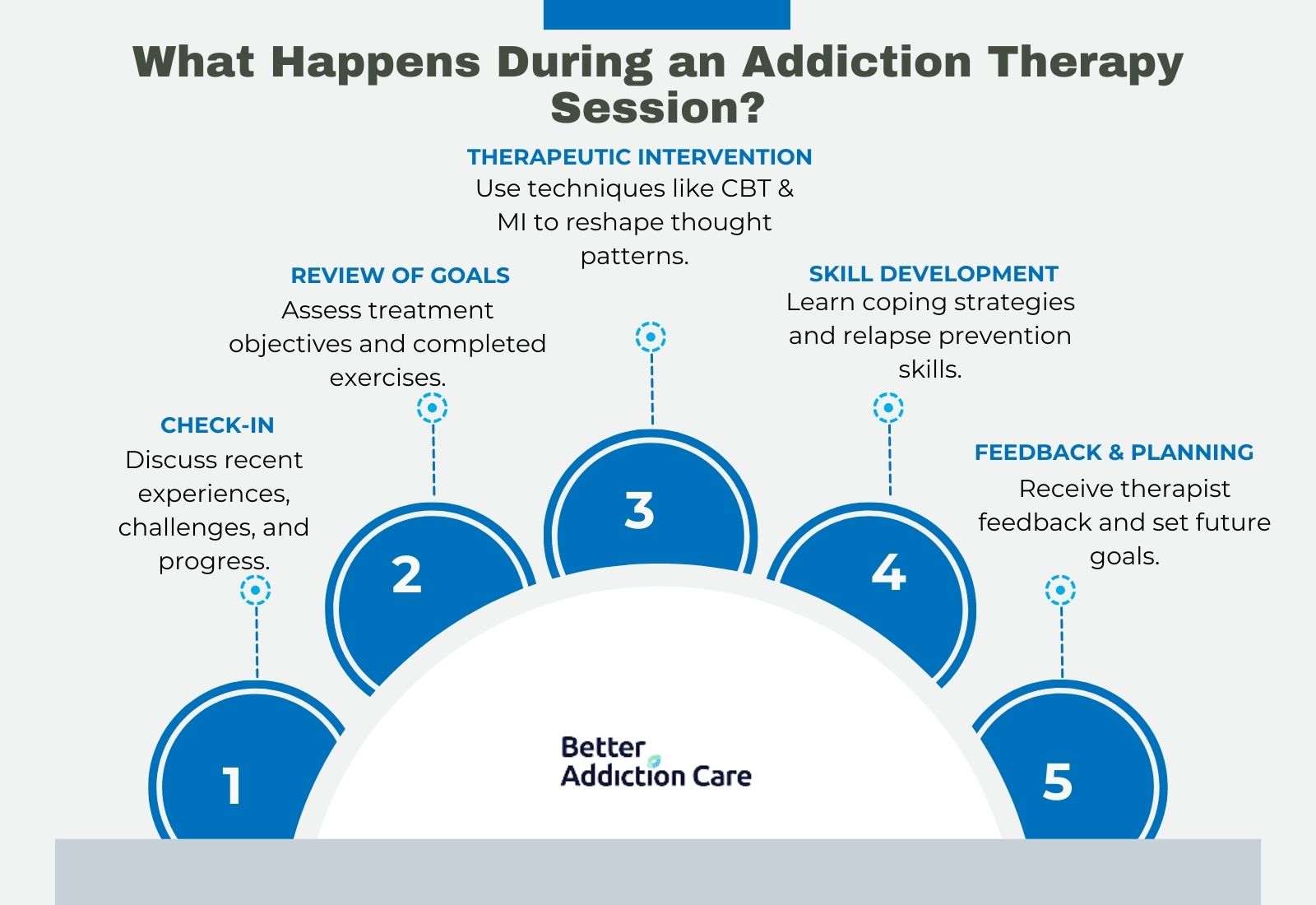
Addiction therapy is a structured form of treatment designed to help individuals overcome substance use disorders by addressing the psychological, emotional, and behavioral aspects of addiction. It involves evidence-based interventions that guide individuals through recovery, improve mental health, and reduce the risk of relapse.
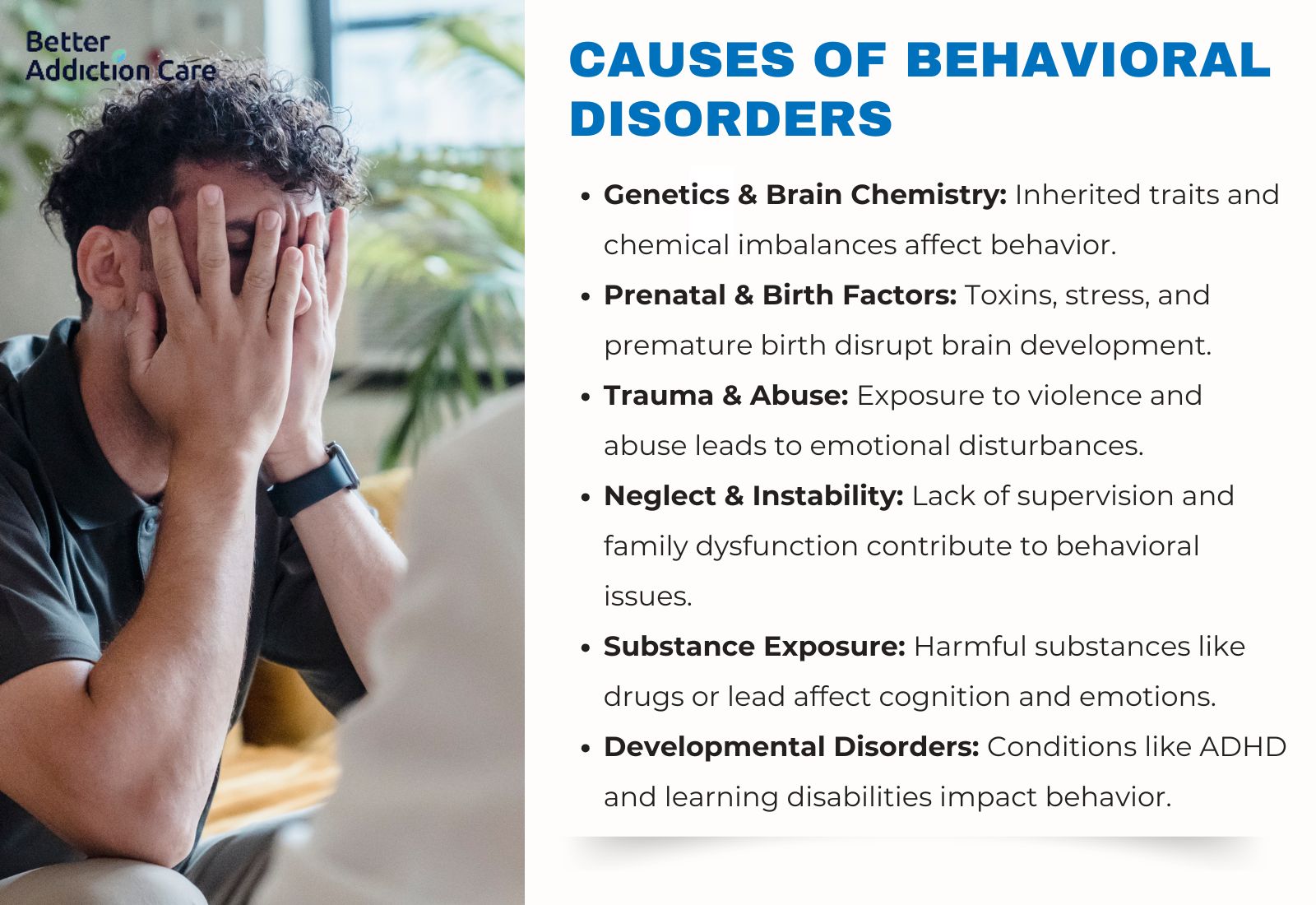
Behavioral disorders are serious conditions that disrupt a person’s ability to manage emotions, behaviors, and relationships in daily life. These patterns of disruptive behavior go beyond occasional misbehavior and significantly impact social, academic, and occupational functioning.
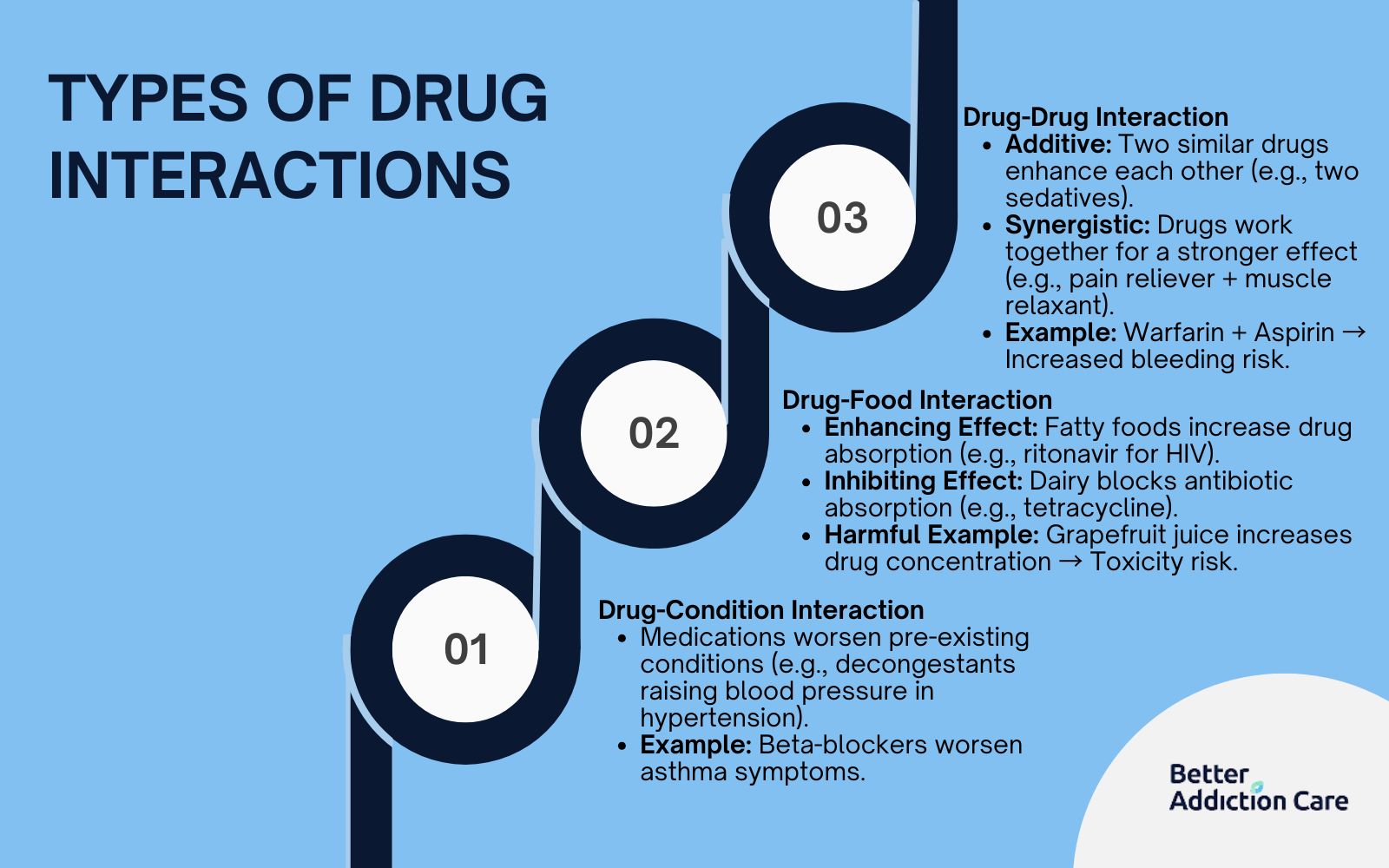
Drug interactions occur when one drug affects the way another drug works, potentially altering its effectiveness or increasing the risk of side effects. These interactions involve prescription medications, over-the-counter drugs, supplements, or even certain foods and beverages, making awareness necessary for safe medication use.
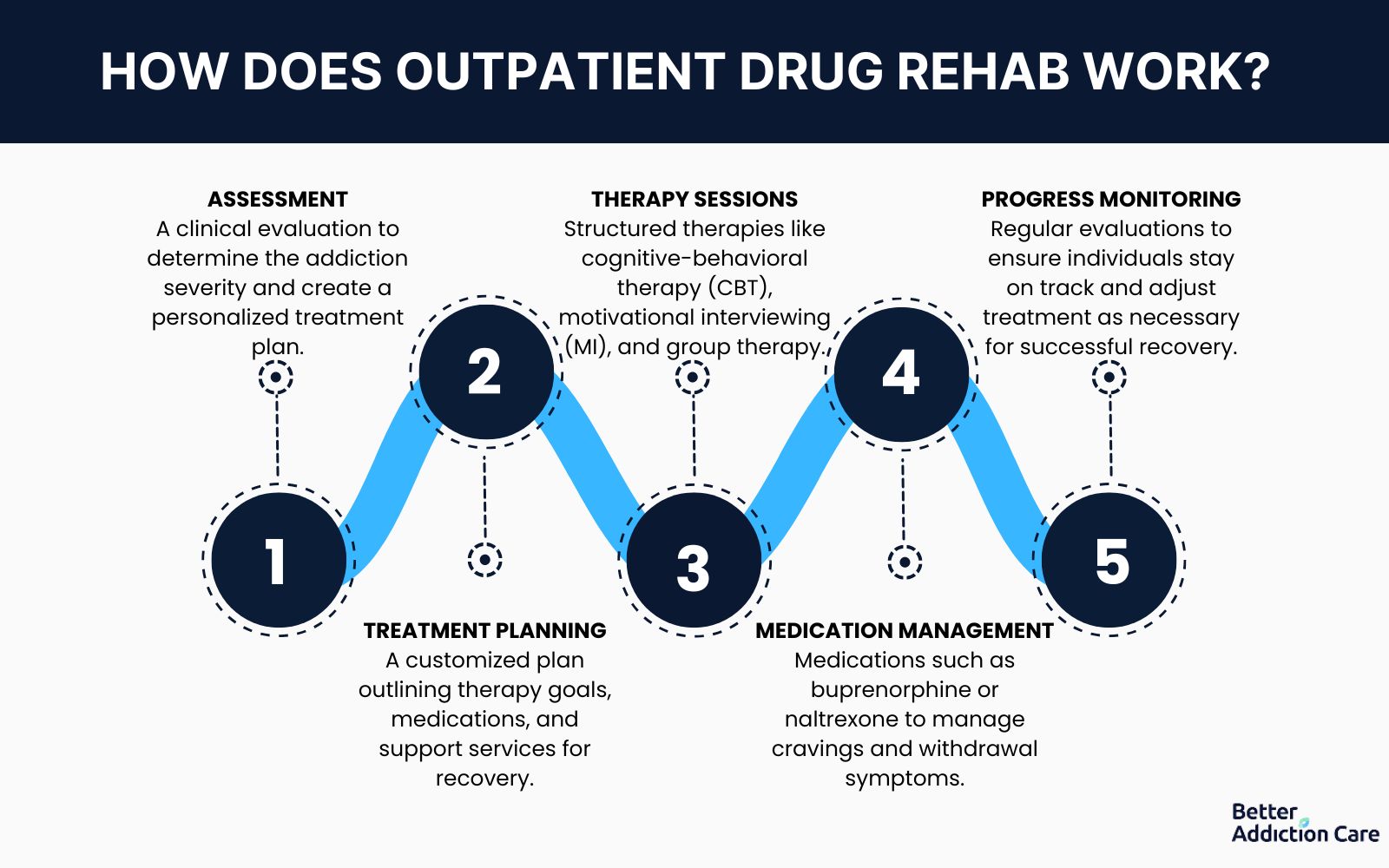
Outpatient alcohol rehab provides structured treatment for alcohol addiction while allowing individuals to live at home. This approach is important in recovery because it offers flexibility for people with work, family, or school commitments while still providing essential therapy and support.
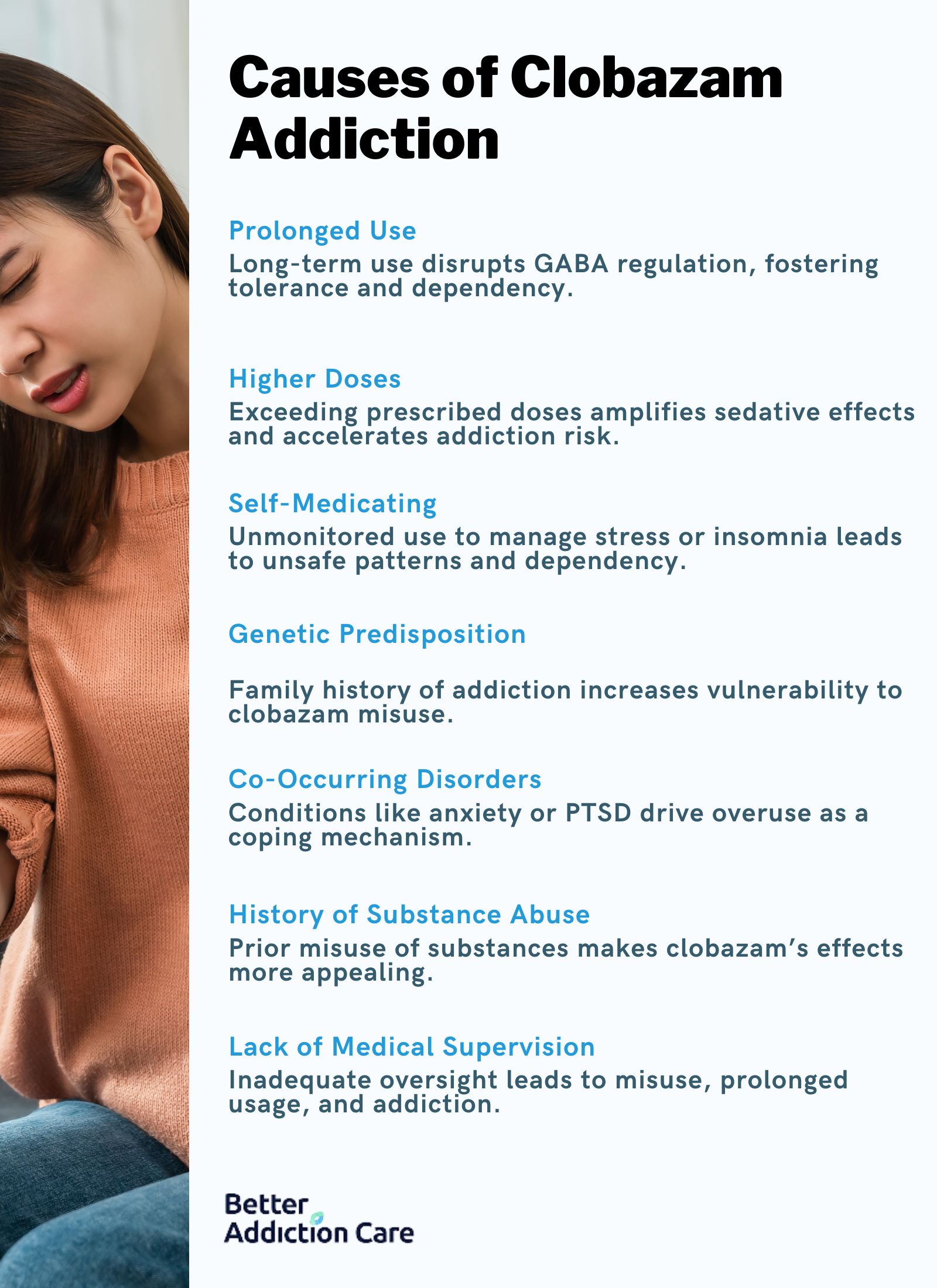
Clobazam addiction refers to a substance use disorder characterized by the compulsive use of clobazam despite its harmful physical, mental, and social consequences. According to the National Institute on Drug Abuse in its 2021 report on benzodiazepine misuse, clobazam contributes to approximately 12% of prescription drug misuse cases in the United States annually, reflecting its significant role in substance dependency issues.
By calling us, you agree to our Terms & Conditions
For those seeking addiction treatment for themselves or a loved one, our calls are confidential and are available for 24/7 help.
Any treatment center receiving calls from the site is a paid advertiser.
Calls to numbers on a specific treatment center listing will be routed to that treatment center.
Calls to any general helpline will be answered by treatment providers, each of which is a paid advertiser.
By calling the helpline you agree to the terms of use. These calls are offered at no cost to you and with no obligation to enter into treatment. Neither this site nor anyone who answers the call receives a commission or fee dependent upon which treatment provider a visitor may ultimately choose.
If you wish to explore additional treatment options or connect with a specific rehab center, you can: browse top-rated listings, visit our homepage, or visit SAMHSA, or by calling 800-662-HELP. You may also contact The Florida Department of Children and Family Services