24/7 Support Line - Call Now
Sponsored Helpline
Free Insurance Verification
Verify Your Treatment Coverage

Better Addiction Care Blogs

What is a Closet Alcoholic? Signs, Reasons and How to help a Hiding Drinker
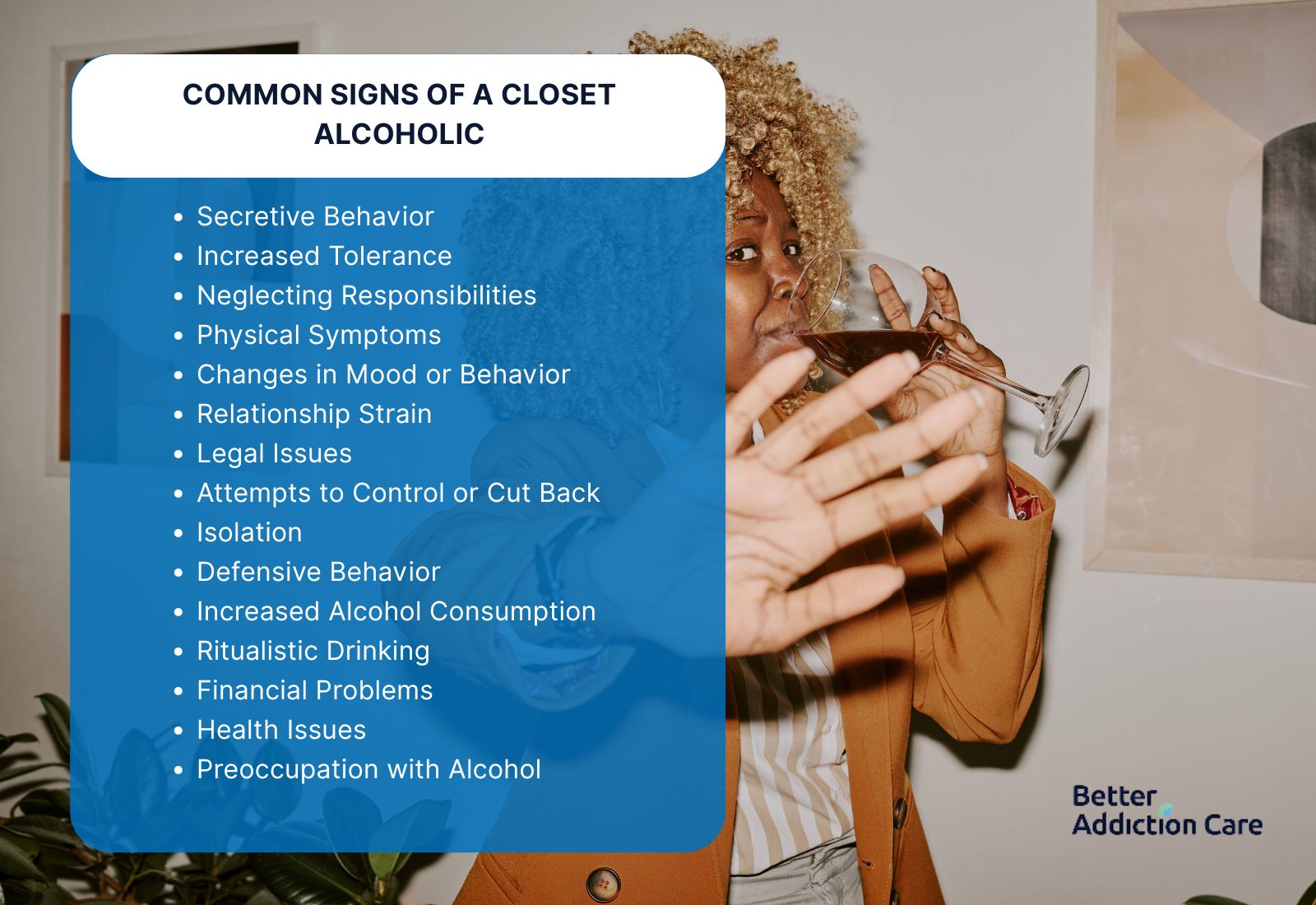
A closet alcoholic is someone who hides their alcohol consumption and addiction from others, often maintaining a façade of normalcy while secretly struggling with dependence You are a closet alcoholic if you hide your alcohol addiction from others, consume alcohol in secrecy, and make efforts to conceal your habits from your partner, friends, family, and coworkers.

A closet alcoholic is someone who hides their alcohol consumption and addiction from others, often maintaining a façade of normalcy while secretly struggling with dependence You are a closet alcoholic if you hide your alcohol addiction from others, consume alcohol in secrecy, and make efforts to conceal your habits from your partner, friends, family, and coworkers.

Alcohol Use Disorder Updated Aug 15, 2025 Expert Verified
How to Get Sober after years of Alcohol Abuse: Stages, Relapse and After Care
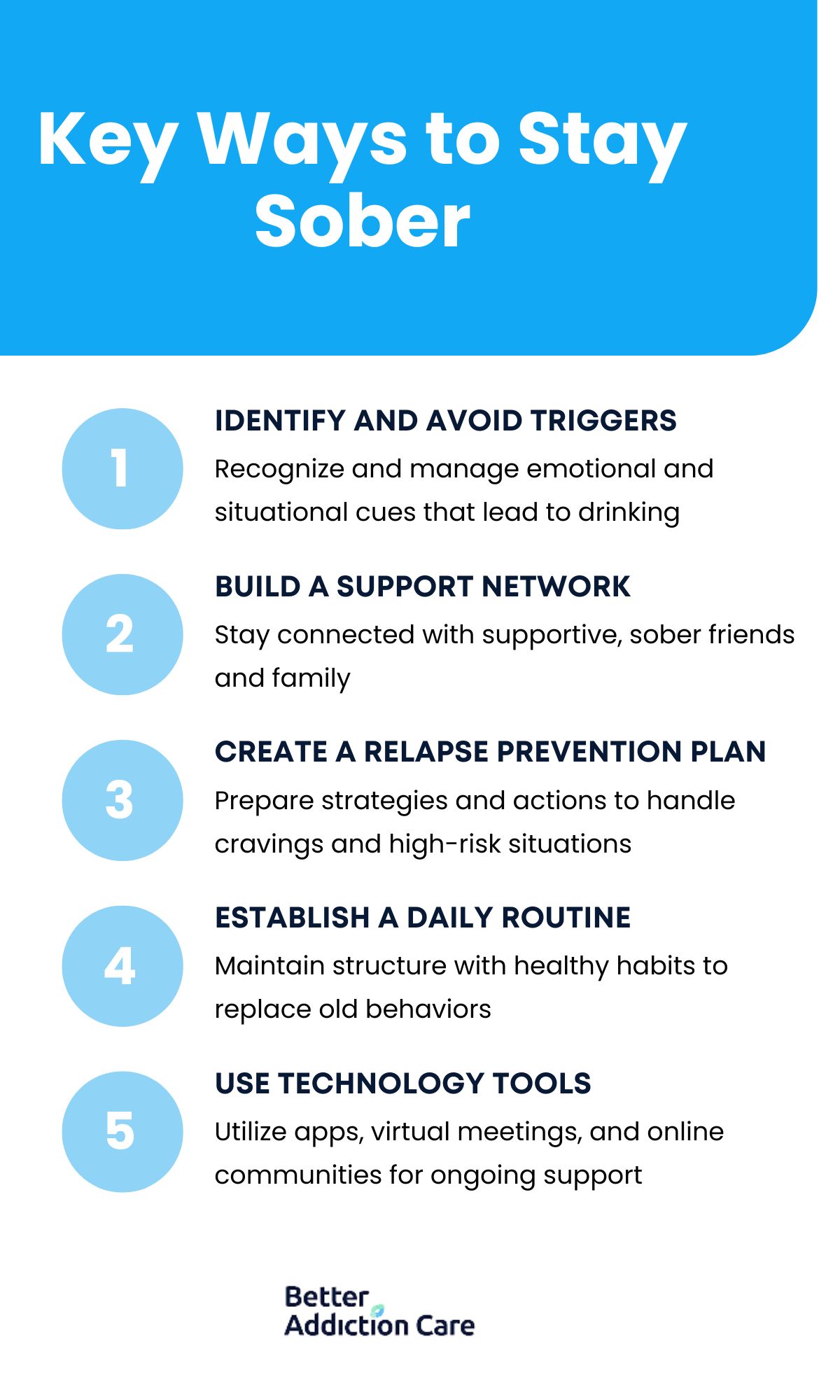
Getting sober after years of alcohol abuse is a transformative path where individuals must face chronic physiological damage, emotional instability, and social disconnection, and apply structured treatment, commitment, and resilience to rebuild their lives.

Getting sober after years of alcohol abuse is a transformative path where individuals must face chronic physiological damage, emotional instability, and social disconnection, and apply structured treatment, commitment, and resilience to rebuild their lives.

Alcohol Addiction Updated Aug 15, 2025 Expert Verified
Alcohol Cravings: Definition, causes, Management and Rehab Centers
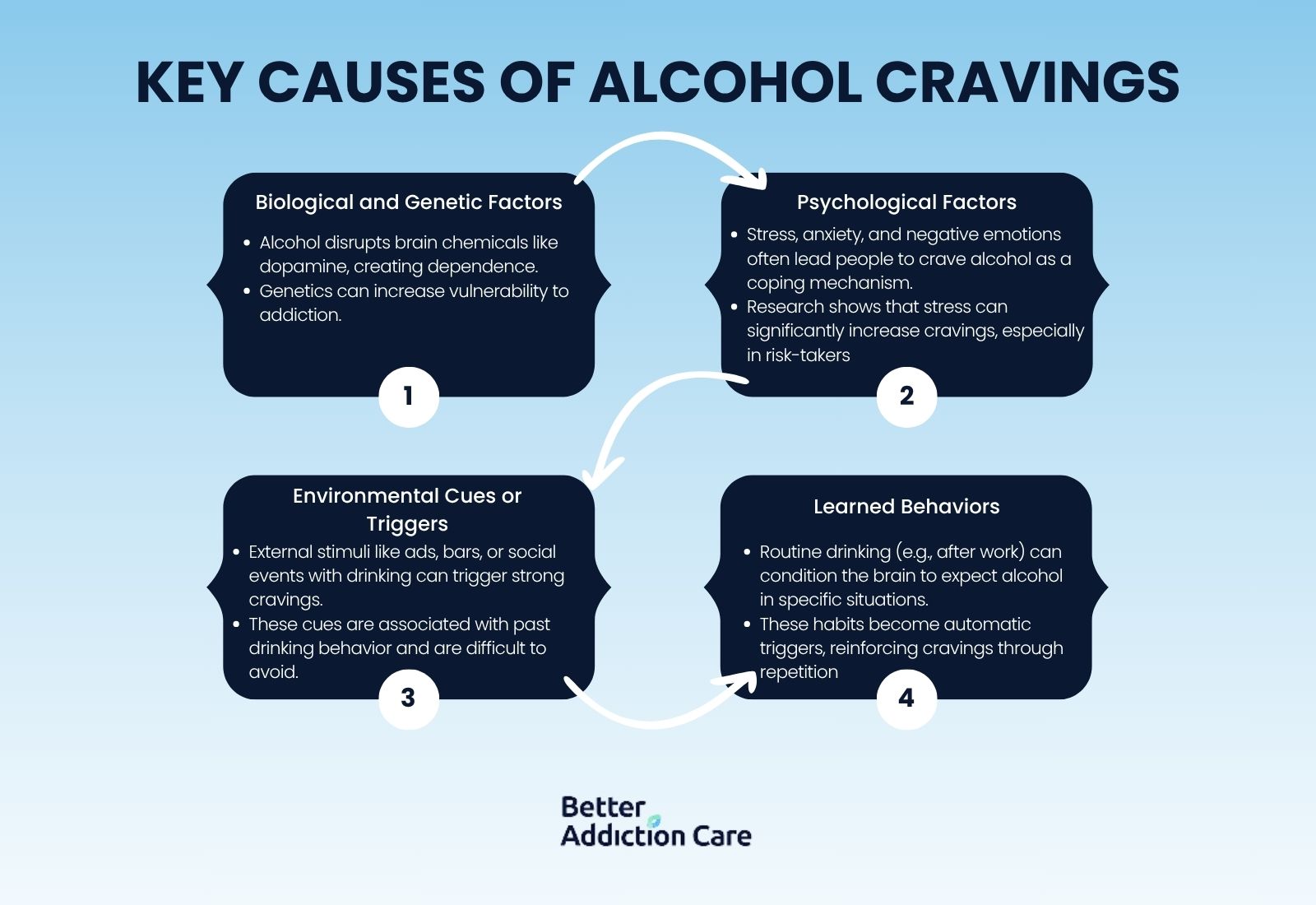
Alcohol cravings are intense urges to drink, common in those with alcohol dependence. According to a report by the Centers for Disease Control and Prevention (CDC) titled "Data on Excessive Alcohol Use published in 2024", 17% of U.S. adults binge drink and 6% drink heavily, with nearly all heavy drinkers also engaging in binge drinking. The same report notes that over 90% of adults who drink excessively report binge drinking, highlighting its prevalence. In another CDC publication titled "Alcohol Use and Your Health released" in 2025, it is explained that binge drinking episodes can be triggered by internal emotions and external alcohol-related cues, and may cause physical symptoms such as restlessness and sweating, and psychological symptoms like intense emotions. These episodes typically last 15–20 minutes and are more frequent during early recovery
Alcohol Use Disorder Updated Aug 15, 2025 Expert Verified
Alcoholics Anonymous 12 Steps: What They Are And How To Use Them
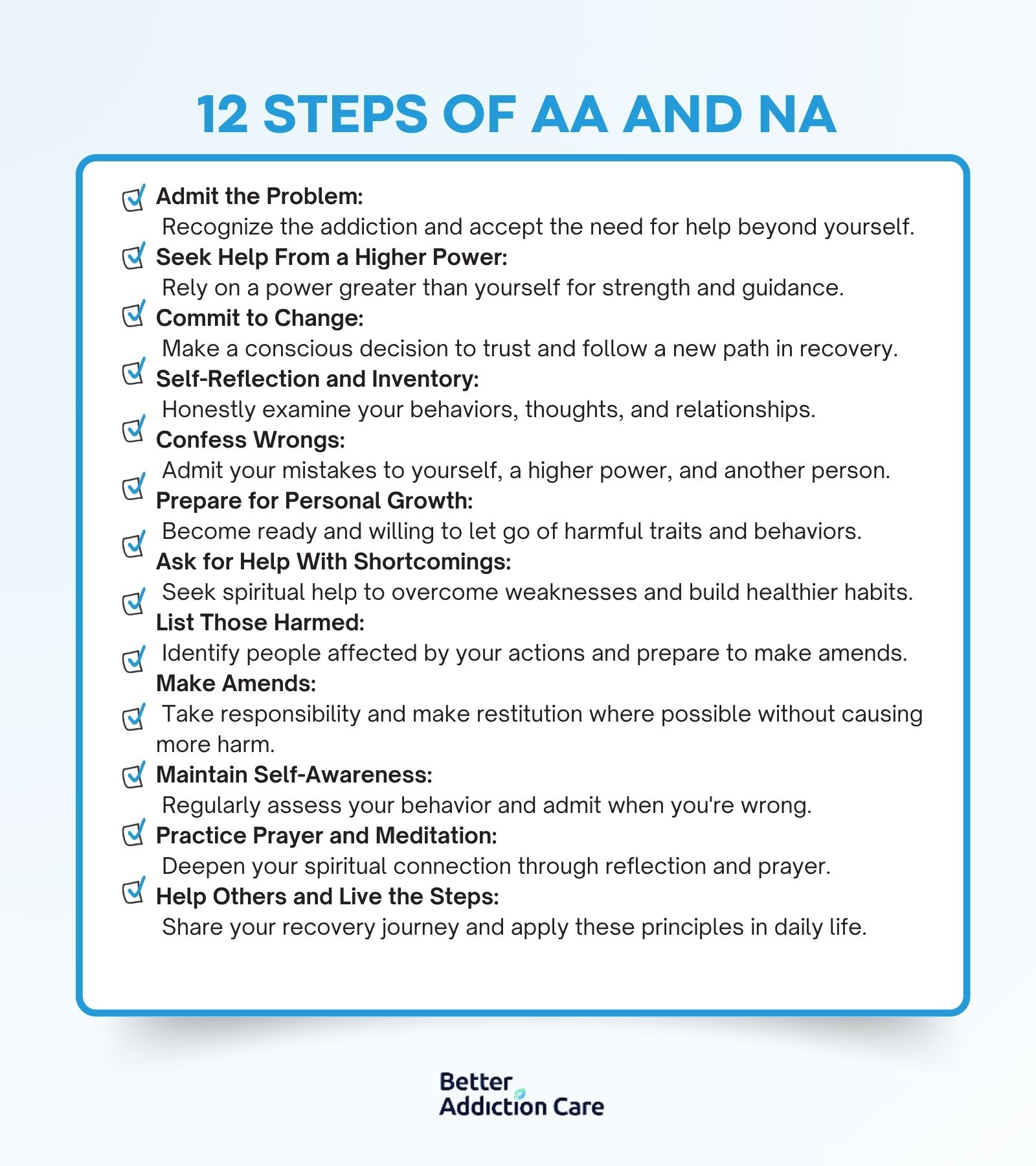
The 12 Steps of Alcoholics Anonymous (AA) and Narcotics Anonymous (NA) are structured programs designed to help individuals achieve and maintain sobriety through a combination of supportive fellowship, structured guidance, holistic healing, peer support, personal accountability, and spiritual growth. According to a comprehensive review of 27 studies published in the Cochrane Database of Systematic Reviews involving more than 10,000 participants, Alcoholics Anonymous and Twelve-Step Facilitation programs demonstrate significant effectiveness in treating alcohol use disorder, with manual interventions leading to higher rates of continuous abstinence than other established treatments at 12, 24, and 36 months. If you or a loved one is ready to take control and get sober, understanding the 12-step plan is essential. AA and NA provide a roadmap for recovery, offering local meetings and resources to support individuals on their journey to sobriety.
Alcoholism Recovery Updated Aug 15, 2025 Expert Verified
Alcohol Withdrawal: Side Effects, Symptoms, Diagnosis and treatment
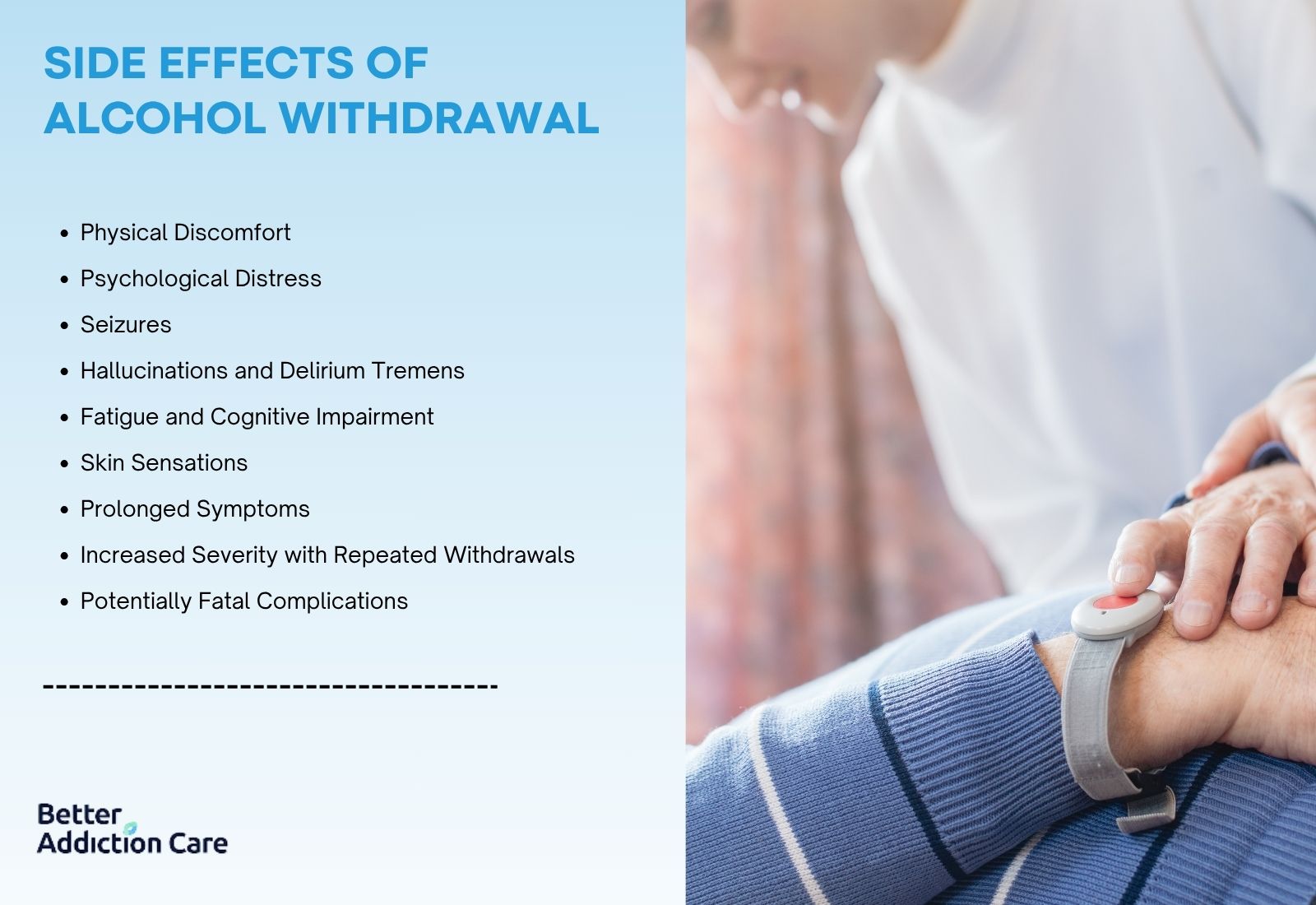
Side effects of alcohol withdrawal include tremors, nausea, headaches, sweating, mood swings, fatigue, and altered skin sensations. These symptoms affect your body and mind in serious ways, creating physical discomfort, emotional disturbances, and dangerous neurological complications.

Side effects of alcohol withdrawal include tremors, nausea, headaches, sweating, mood swings, fatigue, and altered skin sensations. These symptoms affect your body and mind in serious ways, creating physical discomfort, emotional disturbances, and dangerous neurological complications.

Alcohol Use Disorder Updated Aug 12, 2025 Expert Verified

You don’t have to go through this alone.

Speak confidentially with a specialist about treatment and insurance options.

By calling us, you agree to our Terms & Conditions