(866) 567-3138
Sponsored Helpline
Verify Insurance
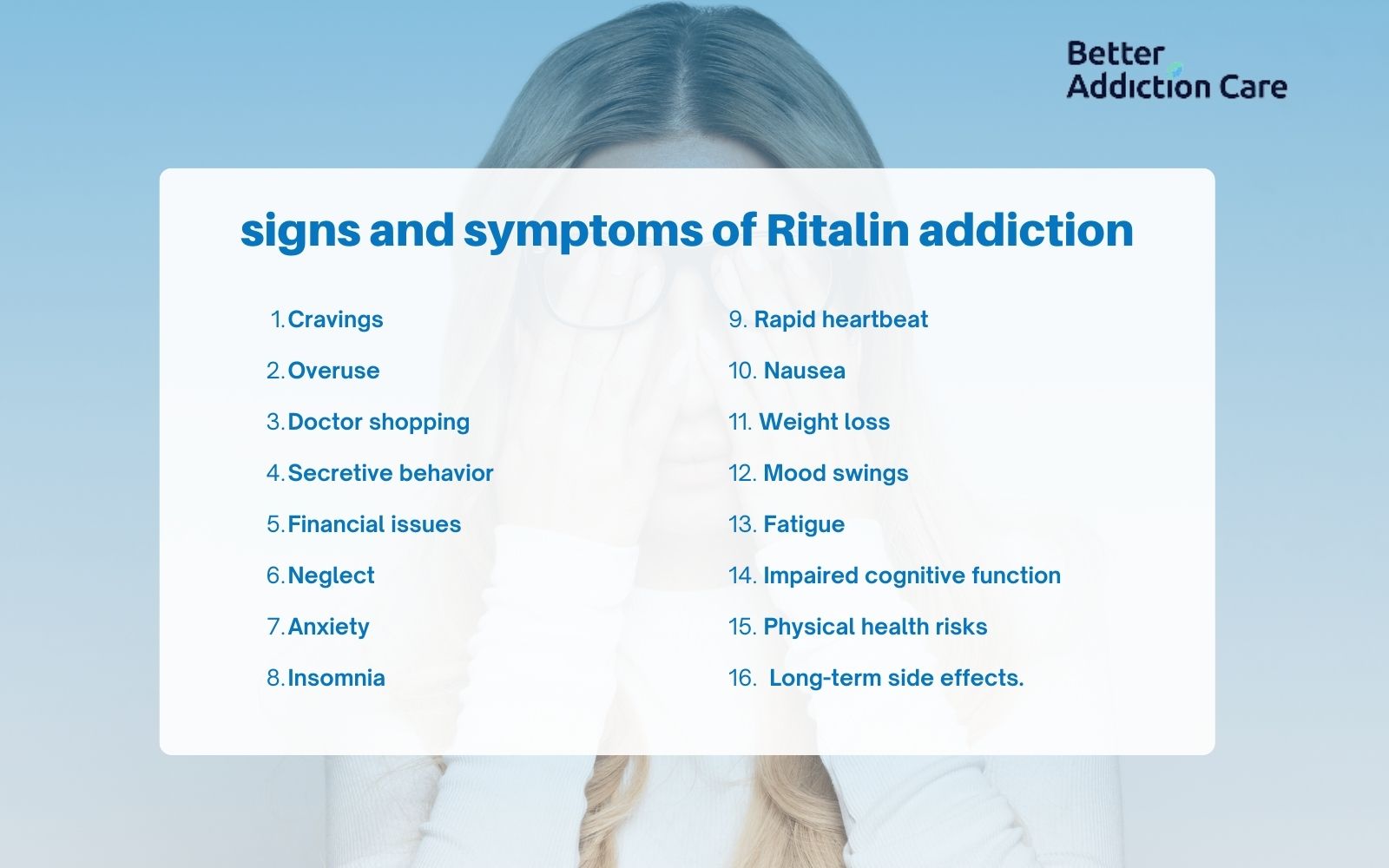
Ritalin addiction occurs when the misuse of methylphenidate, commonly prescribed for ADHD treatment, leads to dependency and compulsive drug-seeking behaviors. The Centers for Disease Control and Prevention (CDC) reports that 6.
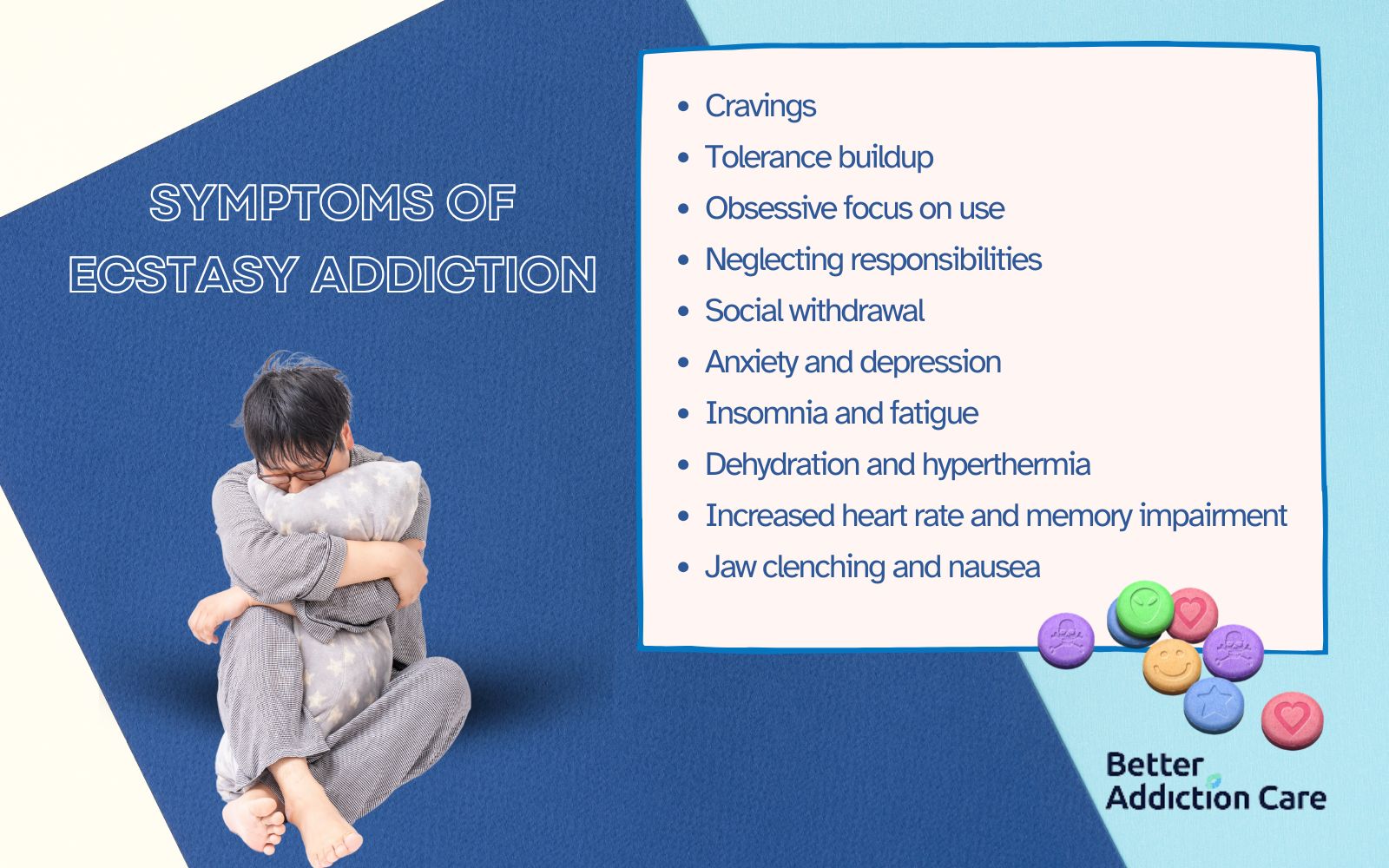
Ecstasy addiction is characterized by compulsive MDMA use, resulting in detrimental physical, psychological, and social effects. According to the National Institute on Drug Abuse (NIDA) report titled MDMA (Ecstasy) Drug Facts published in 2020, approximately 4% of individuals aged 18–25 in the United States reported lifetime ecstasy use, with a significant risk of addiction for repeat users.
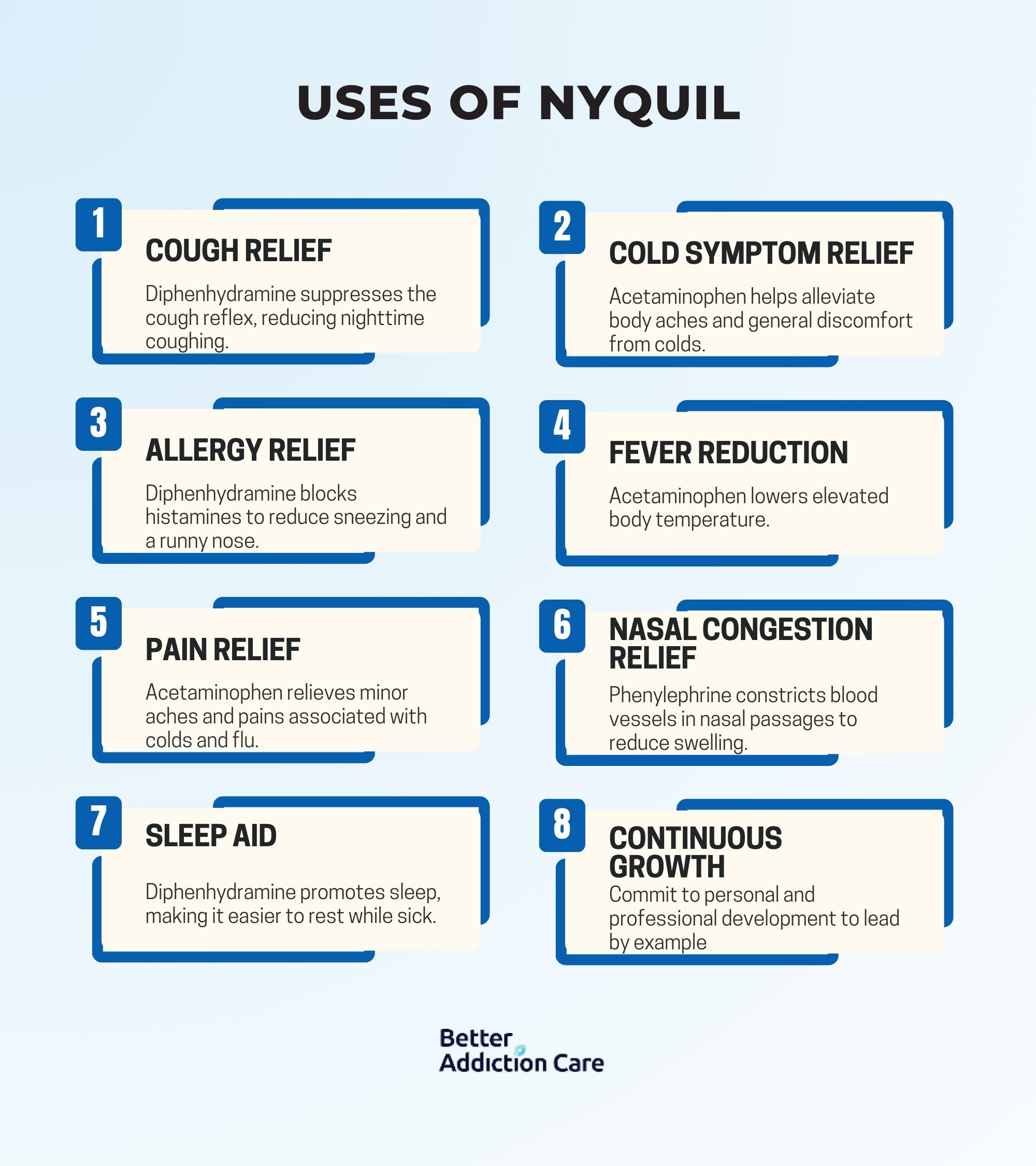
NyQuil addiction occurs when individuals misuse the over-the-counter medication for its sedative effects, particularly due to the presence of ingredients like diphenhydramine.1% of individuals aged 12–25 report using products like NyQuil to achieve a high, according to a study by the National Institute on Drug Abuse titled "Monitoring the Future: National Survey Results on Drug Use," published in the National Institutes of Health (2021).
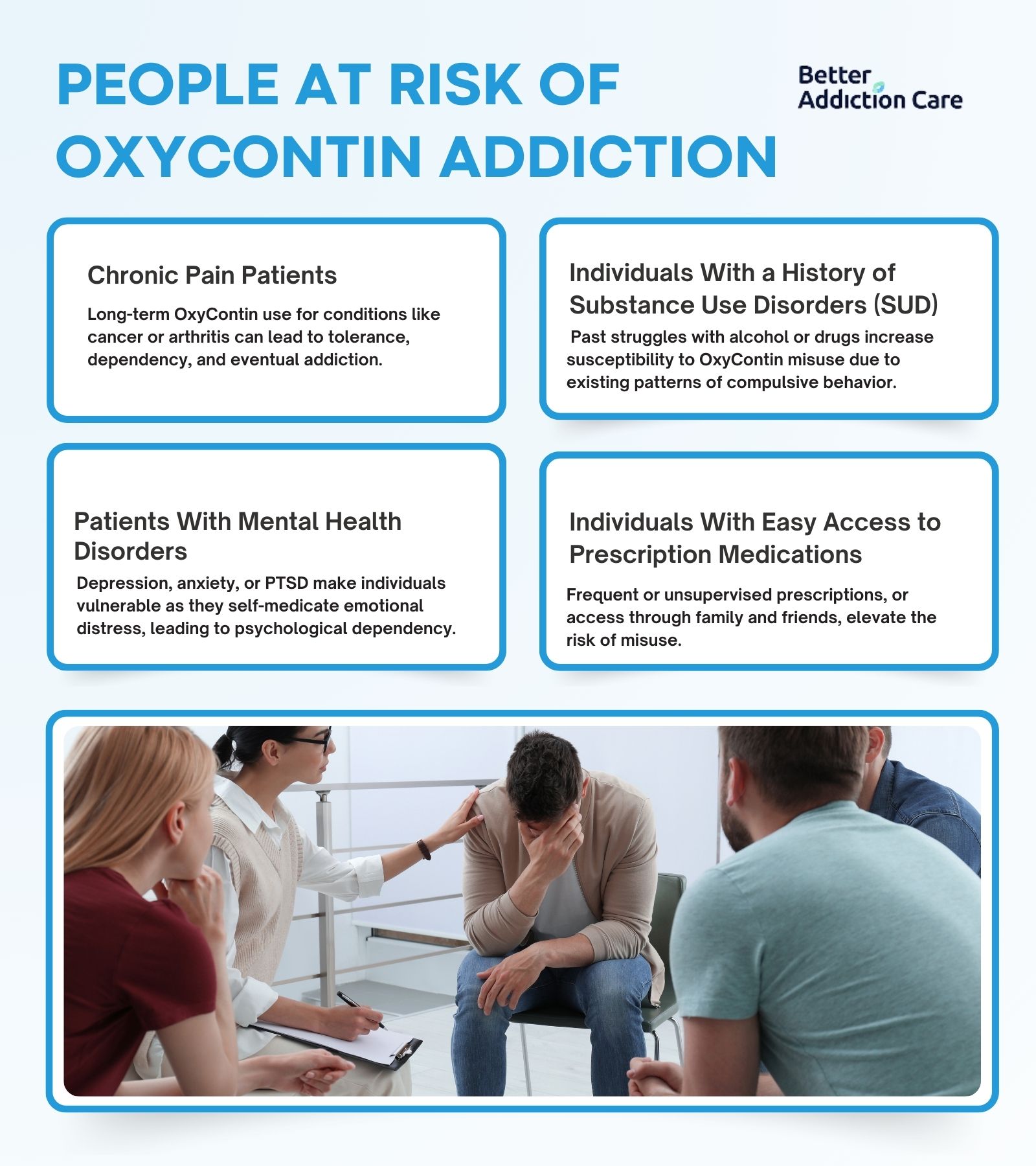
OxyContin addiction refers to a chronic disorder characterized by the compulsive use of OxyContin despite harmful consequences. According to the National Institute on Drug Abuse (NIDA), titled "Prescription Opioids and Addiction," published in 2020, OxyContin misuse is a significant factor in the opioid epidemic, with approximately 3.
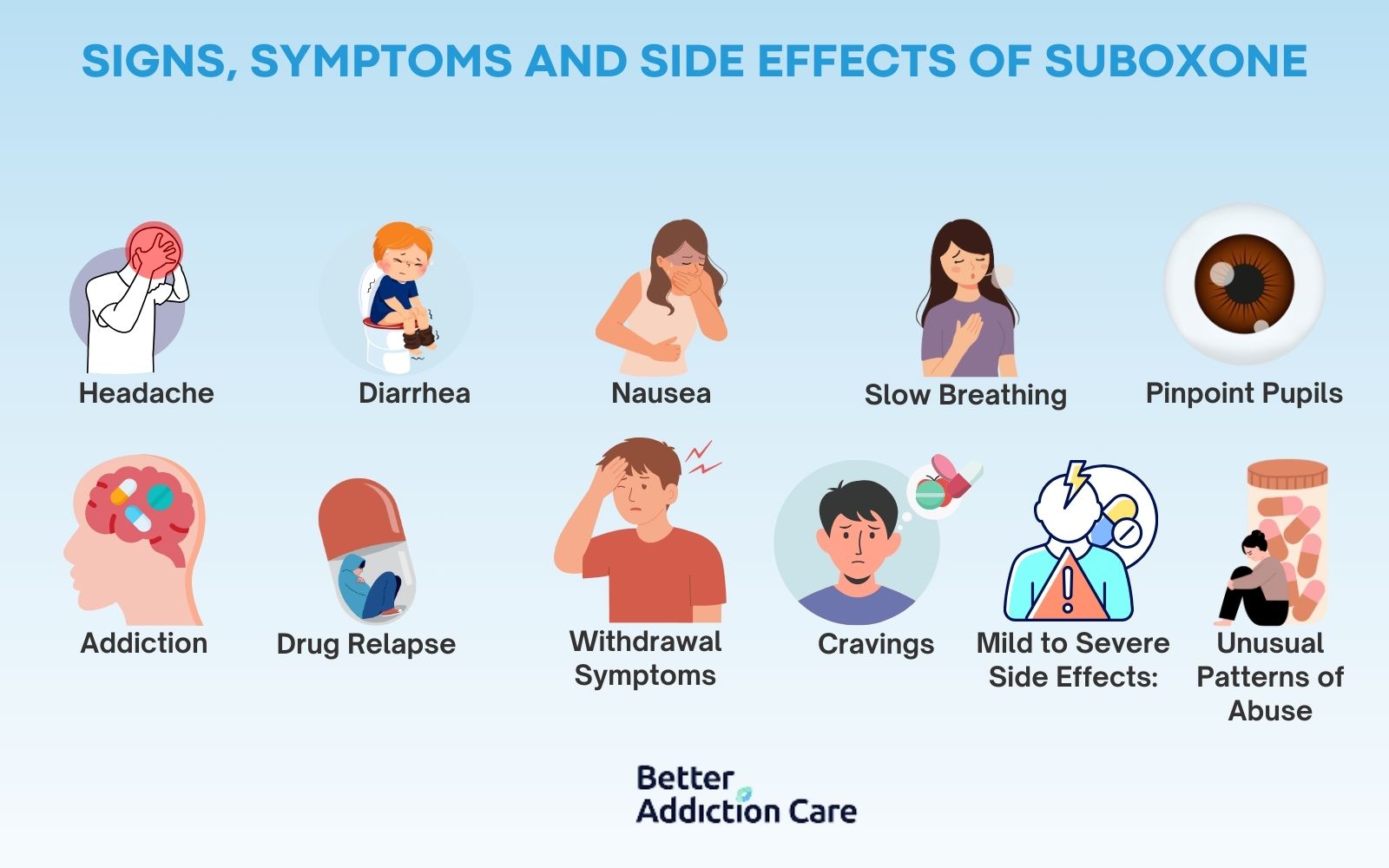
Suboxone addiction occurs when individuals misuse Suboxone seeking its effects on mood and physical sensations. Suboxone is intended for recovery and misuse leads to dependency, creating physical and psychological challenges that require focused treatment to address and overcome.
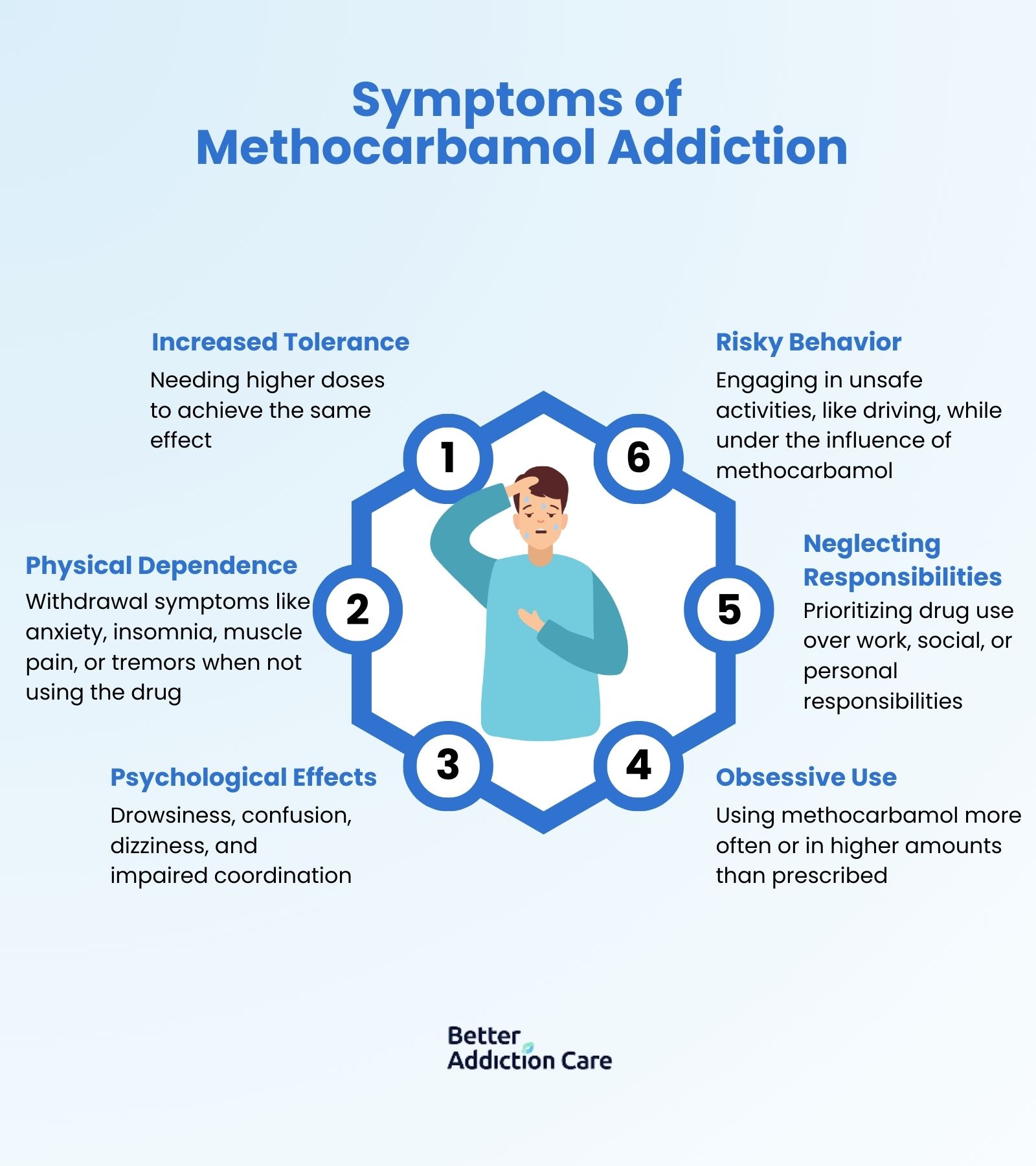
Methocarbamol is a muscle relaxant prescribed to treat muscle pain and spasms. Methocarbamol addiction develops when individuals misuse the drug, taking it in higher doses or using it for longer than prescribed.
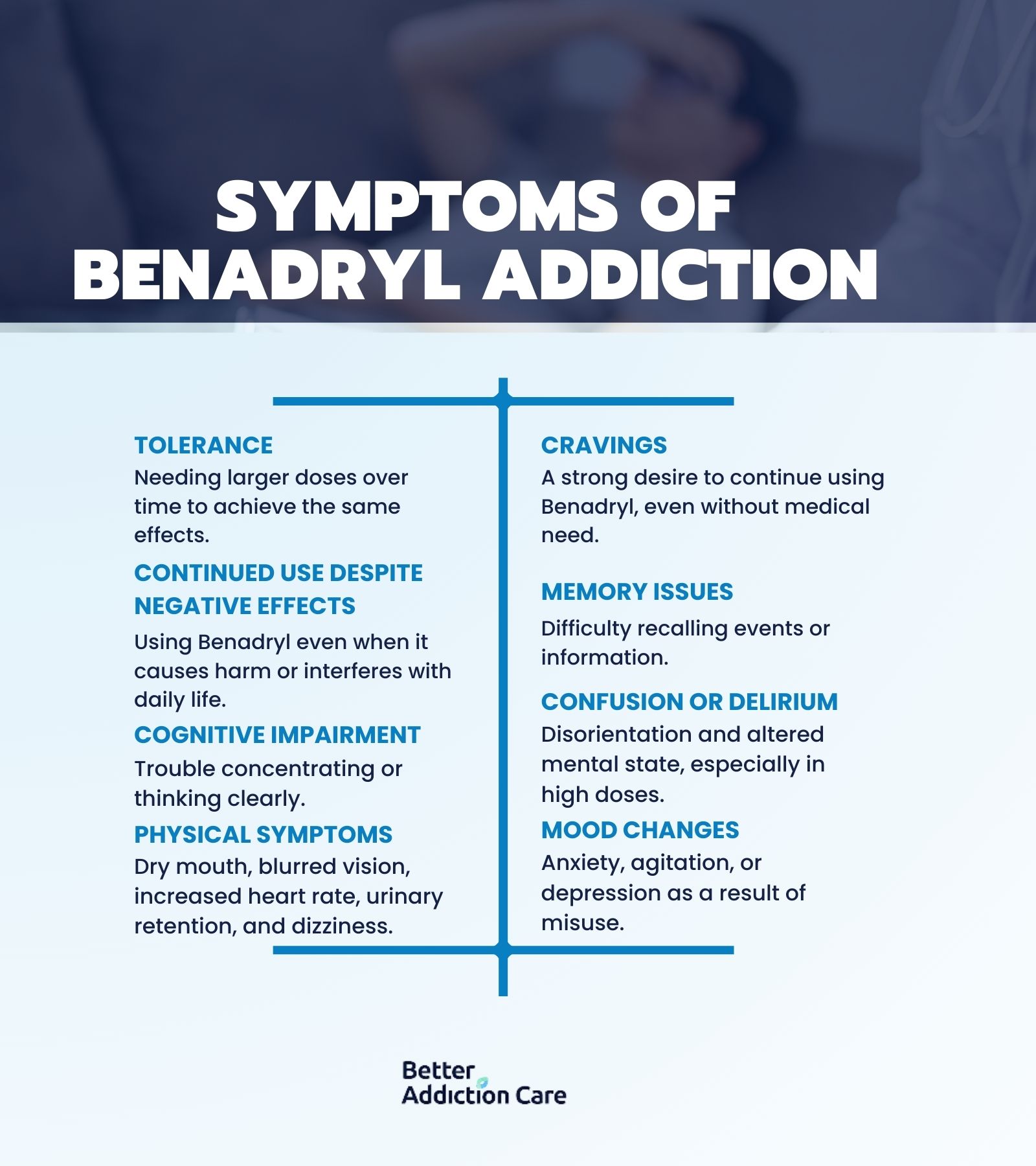
Benadryl addiction is a dependency issue of the antihistamine medication diphenhydramine, commonly used for allergies and sleeping aids. Benadryl is a widely available medicine, which leads to a high risk of misuse and addiction as it has soothing and hallucinogenic effects at high doses.
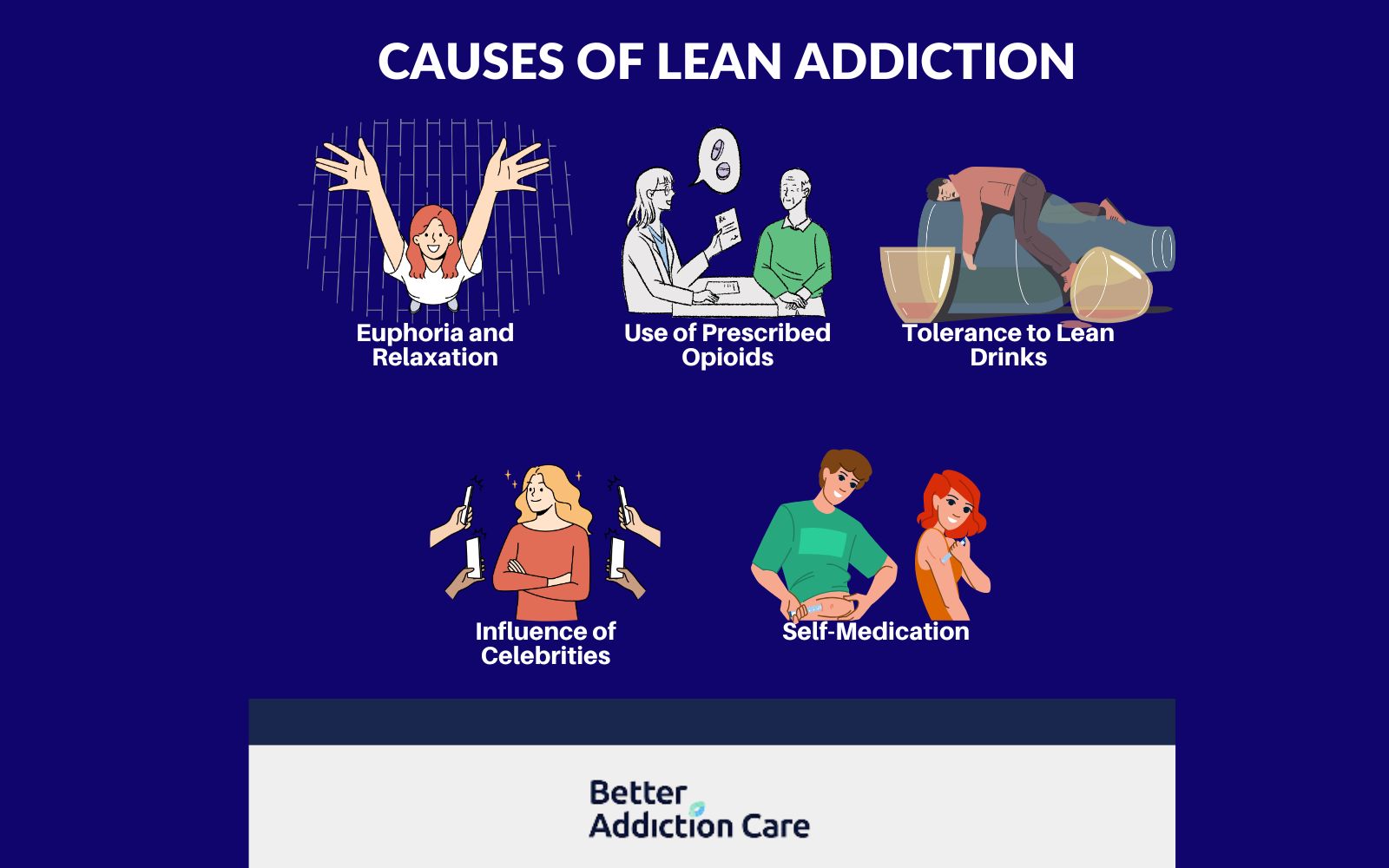
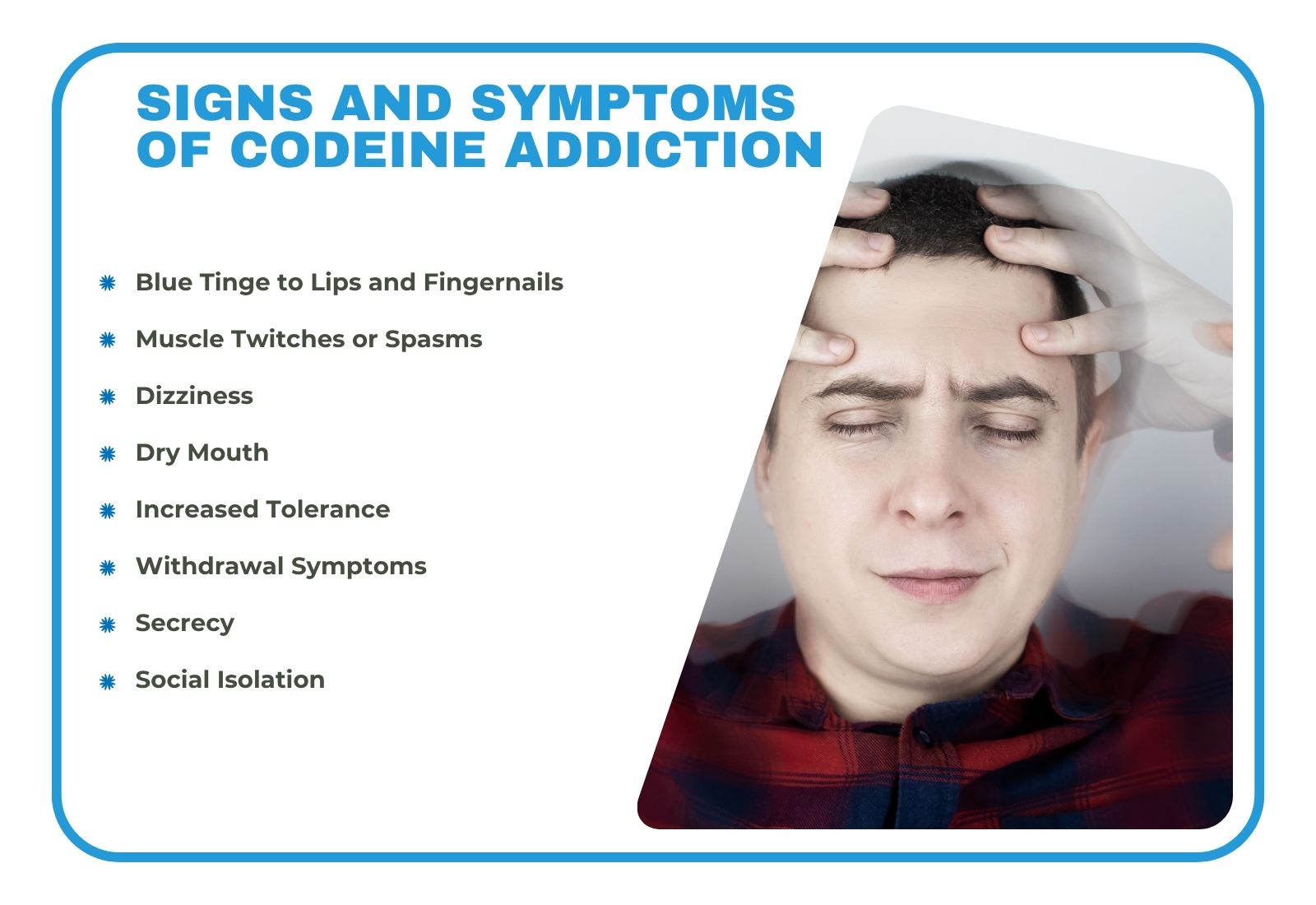
Lean addiction is the dependency and addiction on a recreational drug made from prescription-strength cough syrup, often containing codeine and promethazine.The causes of lean addiction include easy access to cough syrup and its misuse to escape stress or anxiety.
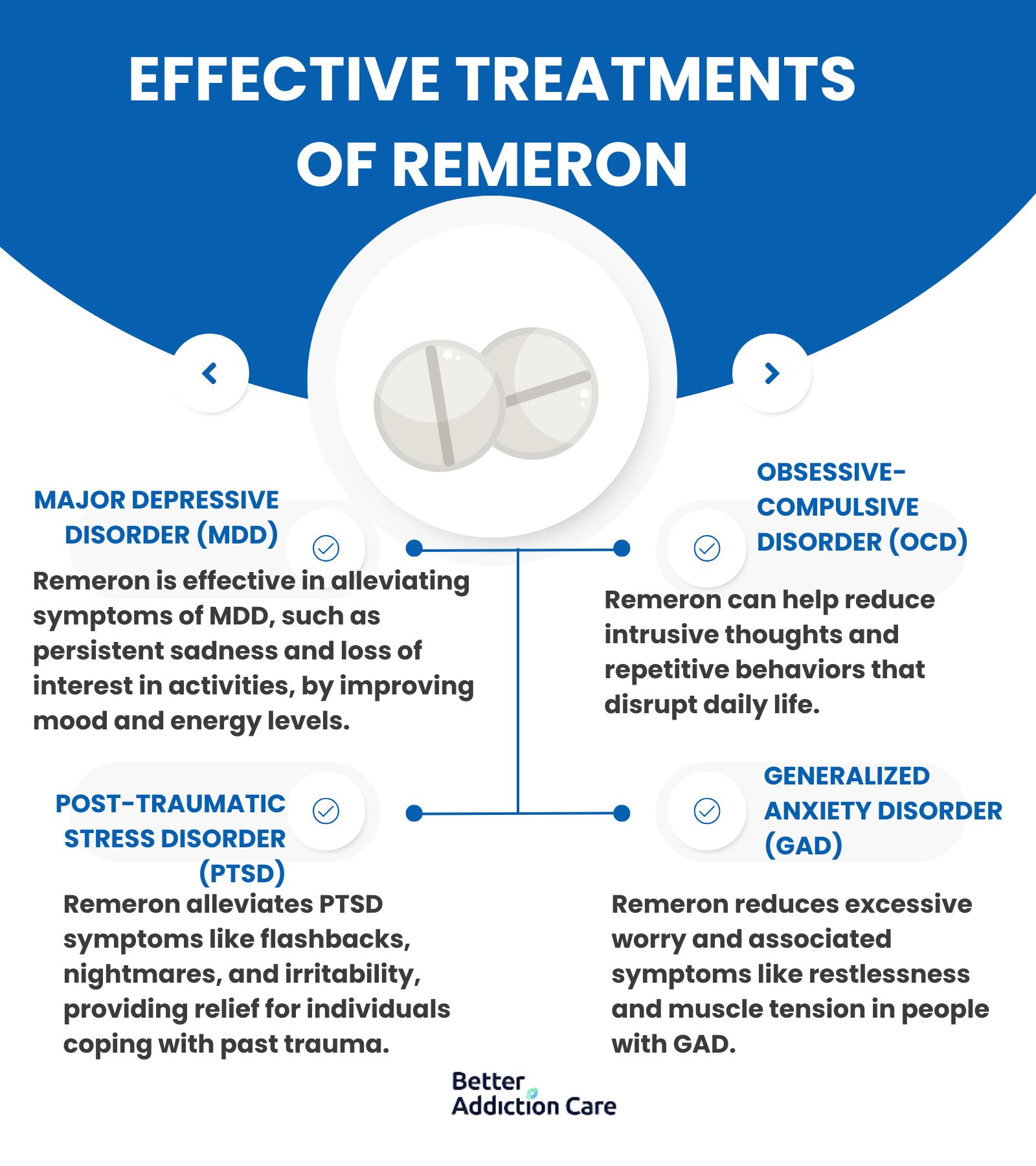
Remeron, or mirtazapine, is a prescription medication classified as a tetracyclic antidepressant. It is used to treat major depressive disorder (MDD). Remeron affects the brain’s neurotransmitters and helps individuals mitigate symptoms of depression.
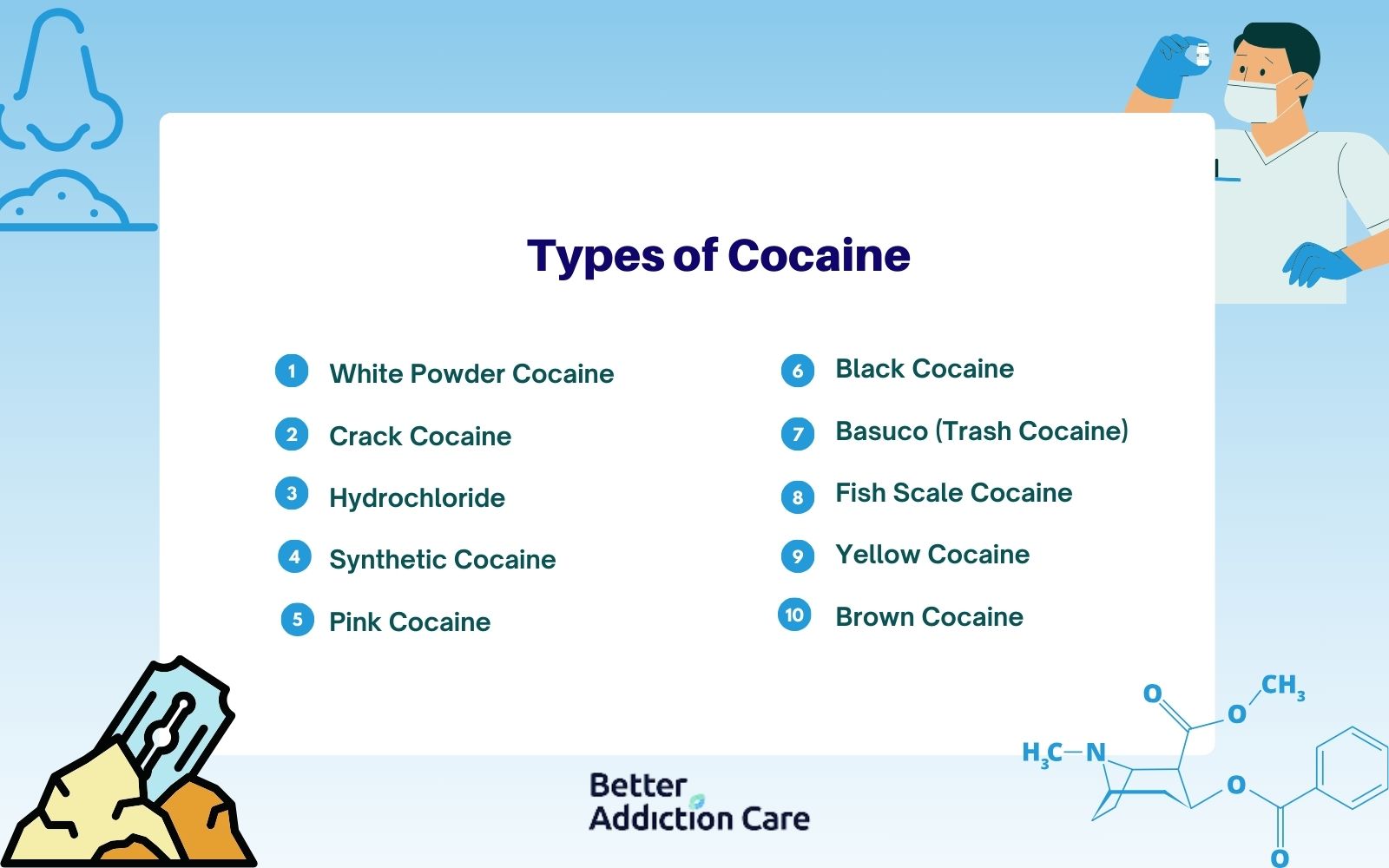
Cocaine addiction is a chronic and relapsing disorder that involves an uncontrollable craving for cocaine, a powerful drug derived from coca plant leaves. Cocaine gives a powerful release of dopamine, which creates a quick but short tip of euphoria, which makes the drug highly addictive.
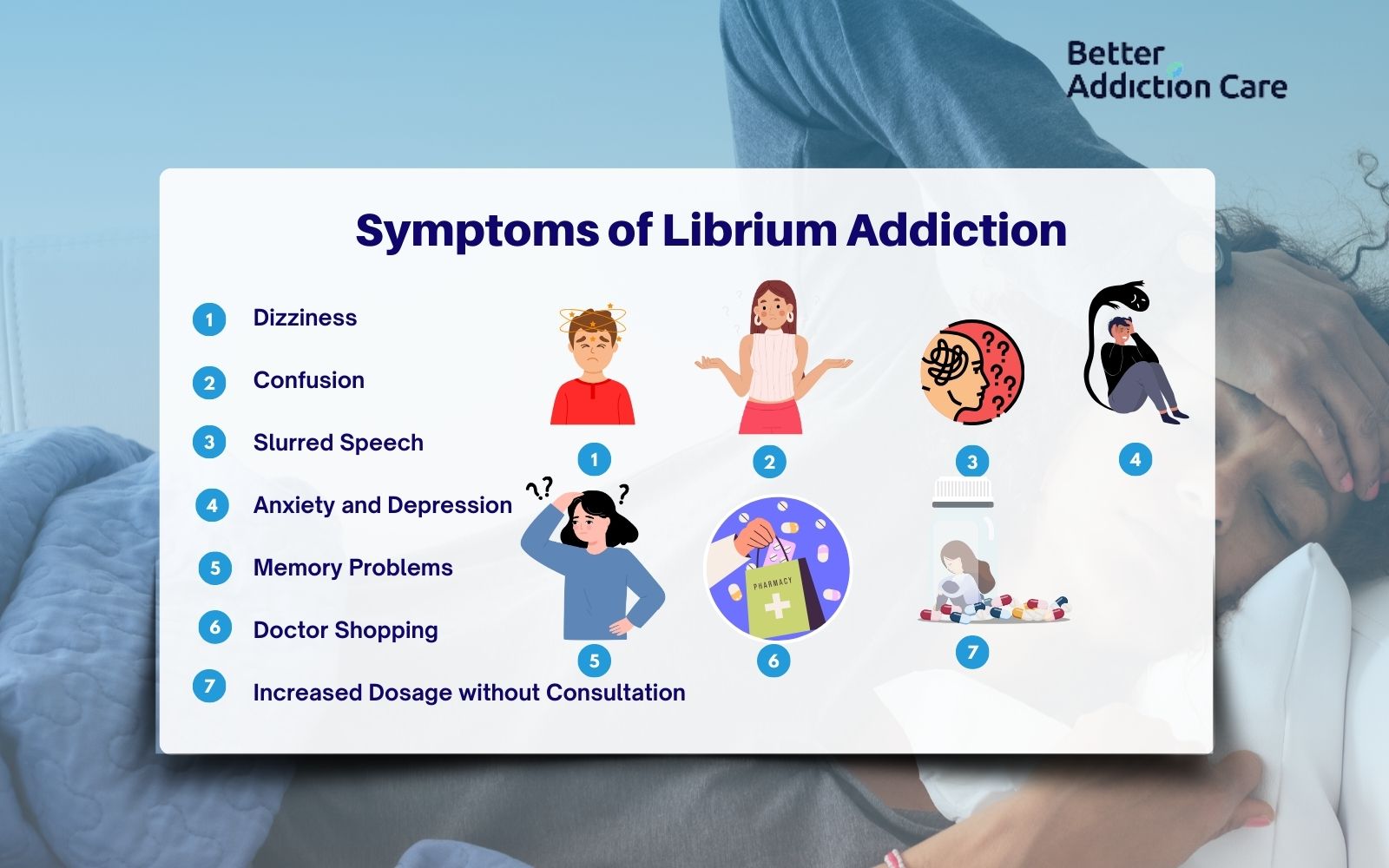
Librium addiction is when an individual becomes dependent on the benzodiazepine Librium, prescribed to relieve anxiety or manage alcohol withdrawal symptoms. Misuse of Librium leads to both physical and psychological addiction.
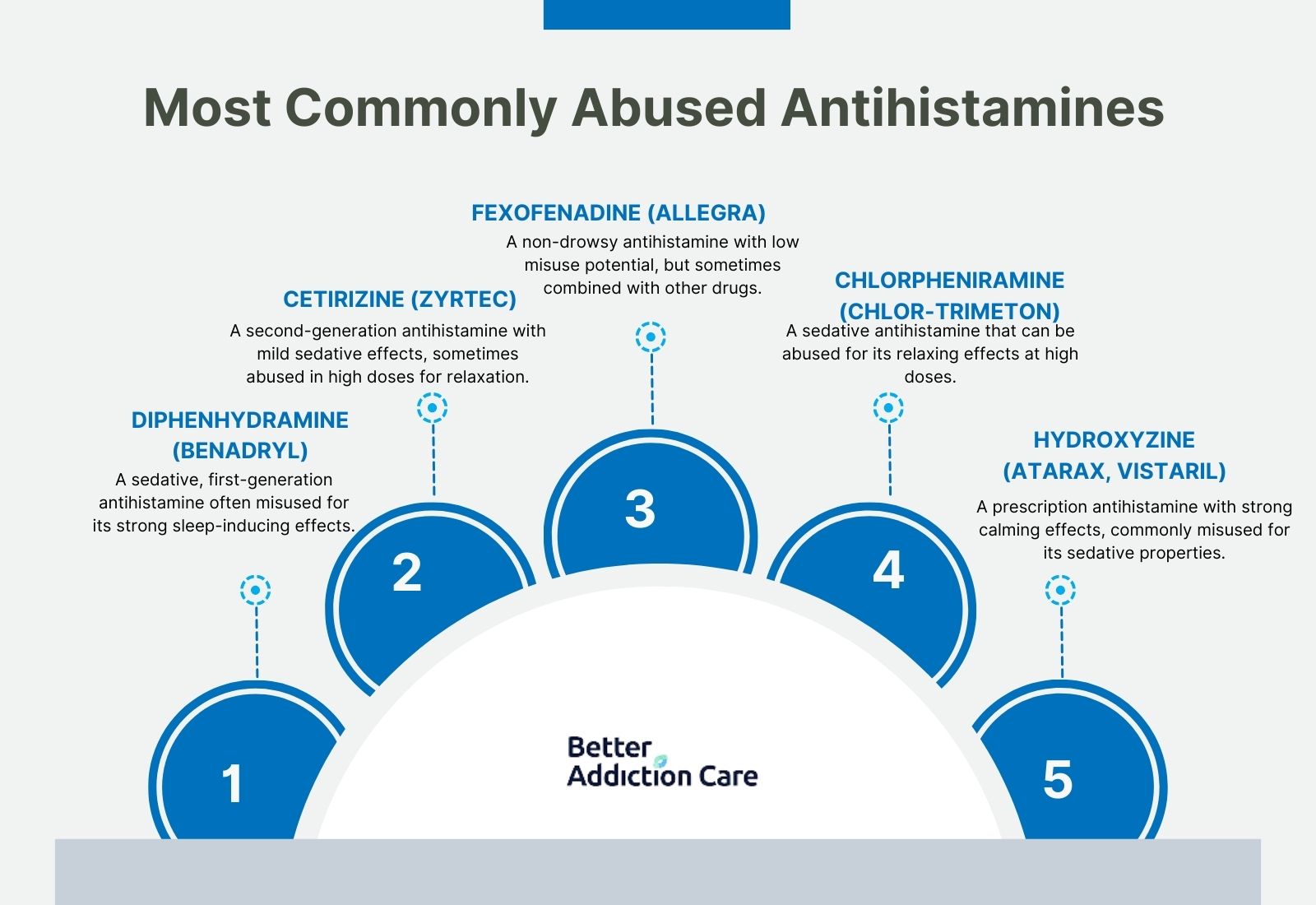
Antihistamine addiction is a dependency on antihistamines, medications used to relieve allergy symptoms, due to prolonged or excessive use. Antihistamines are safe when used as directed, but some individuals misuse them for sedative effects, which leads to tolerance, dependence, and eventually addiction.
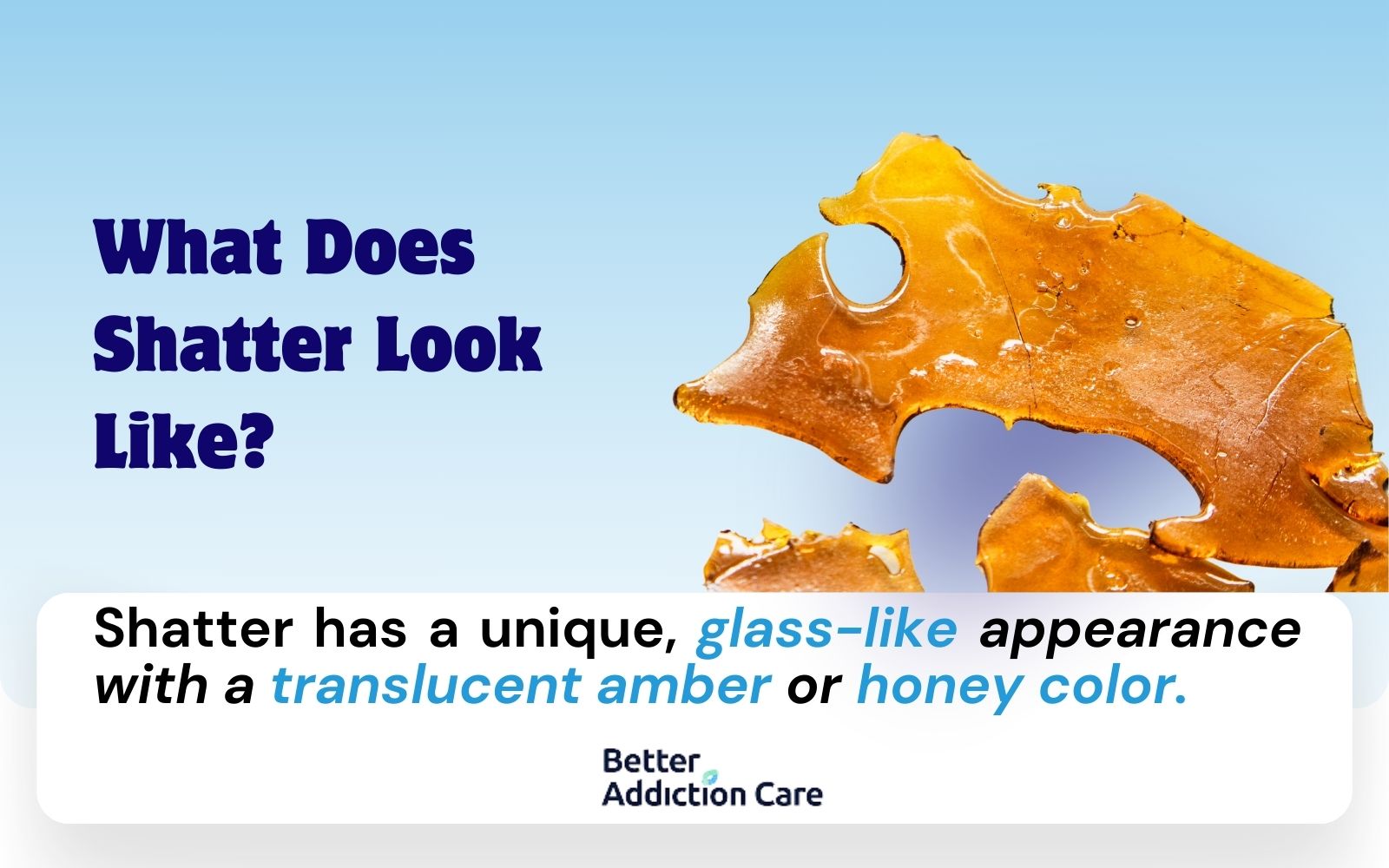
Shatter addiction is the dependence on Shatter, a potent cannabis concentrate known for its high THC levels. Users become addicted due to its intense euphoric effects, leading to both psychological and physical dependence.
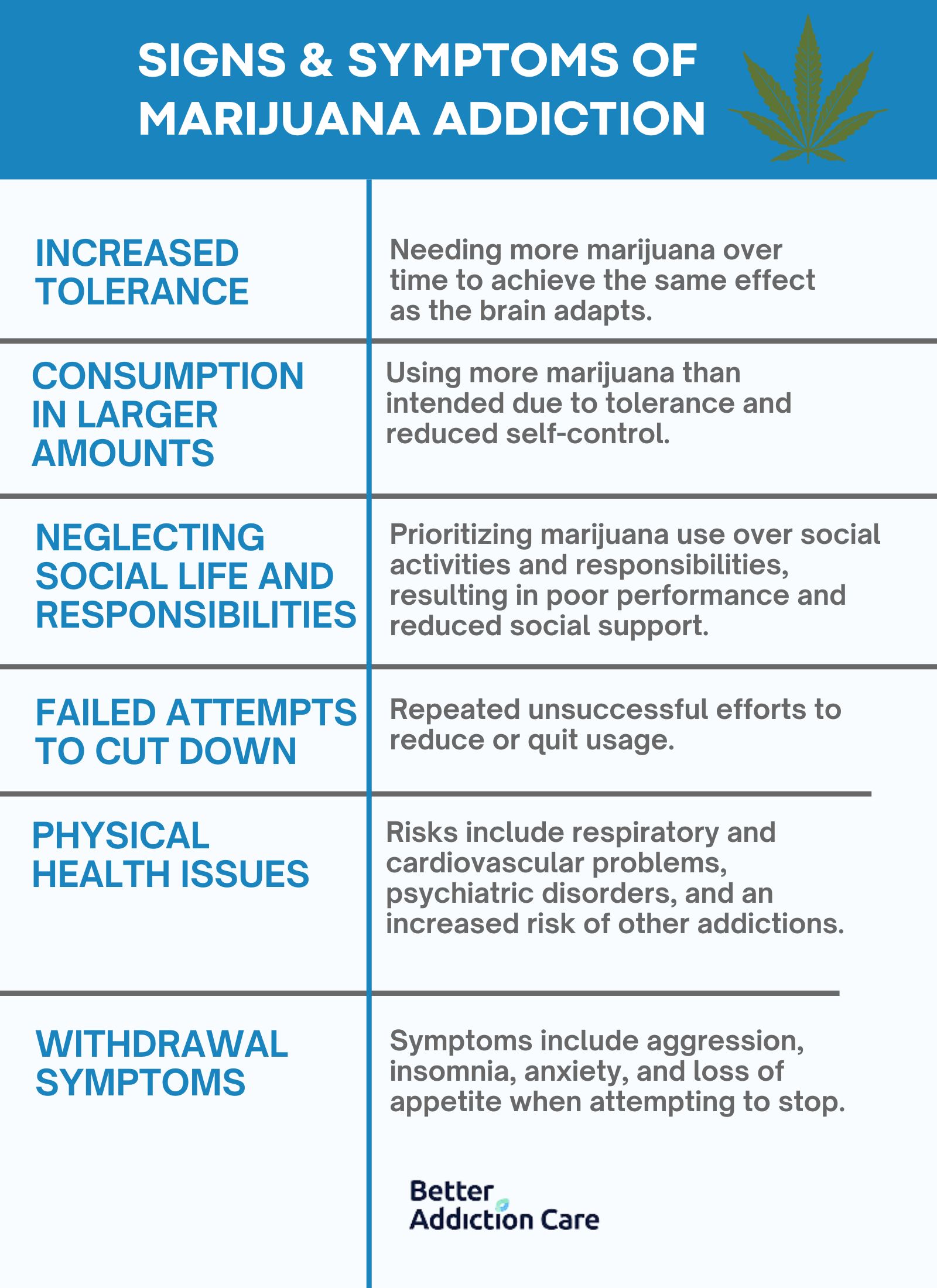
Marijuana addiction, cannabis dependency, or cannabis use disorder (CUD) is a severe disorder that involves the compulsive need to consume marijuana, despite fighting with its harmful effects. Marijuana is a drug derived from a plant that gives a relaxing and happy ‘high.
By calling us, you agree to our Terms & Conditions
For those seeking addiction treatment for themselves or a loved one, our calls are confidential and are available for 24/7 help.
Any treatment center receiving calls from the site is a paid advertiser.
Calls to numbers on a specific treatment center listing will be routed to that treatment center.
Calls to any general helpline will be answered by treatment providers, each of which is a paid advertiser.
By calling the helpline you agree to the terms of use. These calls are offered at no cost to you and with no obligation to enter into treatment. Neither this site nor anyone who answers the call receives a commission or fee dependent upon which treatment provider a visitor may ultimately choose.
If you wish to explore additional treatment options or connect with a specific rehab center, you can: browse top-rated listings, visit our homepage, or visit SAMHSA, or by calling 800-662-HELP. You may also contact The Florida Department of Children and Family Services